Content Menu
● Understanding Procaine Penicillin: Composition & Uses
● Step-by-Step Guide: How to Dilute Procaine Penicillin Injection
>> Step 1: Prepare the Equipment and Environment
>> Step 2: Review Product Label and Instructions
>> Step 3: Prepare the Diluent
>> Step 4: Reconstitute the Powder
>> Step 5: Inspect the Suspension
>> Step 7: Administer the Injection
● Important Precautions & Recommendations
● OEM & Bulk Supply Services from China
● Frequently Asked Questions (FAQ)
>> 1. Can I use normal saline instead of sterile water for dilution?
>> 2. How long after dilution can the product be used?
>> 3. What is the recommended injection site for children and adults?
>> 4. How do I determine the correct volume of diluent to use?
>> 5. Is OEM supply available for international distributors and brand partners?
Procaine penicillin is a widely used antibiotic in both human and veterinary medicine, essential for treating a variety of bacterial infections. Proper dilution and administration of this injection are critical to ensure its effectiveness, safety, and patient comfort. This article provides a comprehensive and detailed guide on how to dilute procaine penicillin injection correctly. It is intended for healthcare professionals, pharmaceutical manufacturers, wholesalers, and international brand partners interested in high-quality OEM sourcing from reputable Chinese manufacturers. Throughout the article, careful attention is paid to best practices, safety precautions, and technical details to help you achieve optimum results.
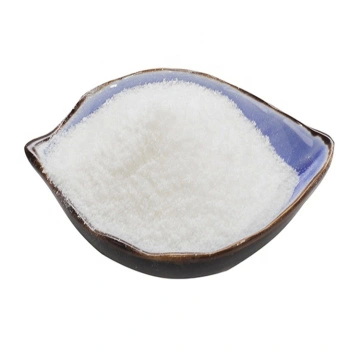
Procaine penicillin, sometimes called procaine benzylpenicillin, is a formulation combining penicillin G (benzylpenicillin) with procaine. This combination creates a depot effect where the antibiotic is released slowly into the bloodstream after intramuscular injection, prolonging the drug's action and reducing the frequency of dosing.
The drug finds applications in treating various bacterial infections such as:
- Respiratory tract infections including pneumonia
- Skin and soft tissue infections
- Syphilis and other treponemal diseases
- Animal infections in veterinary medicine
The pharmacological mechanism involves procaine temporarily numbing the injection site and slowing the release of penicillin G, allowing sustained therapeutic levels over time. This slow hydrolysis is beneficial to maintain effective antimicrobial action while reducing discomfort from the injection.
Proper dilution is essential before administering procaine penicillin because the drug is often supplied as a powder that must be reconstituted to form a uniform suspension suitable for intramuscular injection. Improper dilution can lead to ineffective dosing, increased pain at the injection site, or blockage of the needle from precipitates.
Key principles include:
- Using only the sterile diluent recommended by the manufacturer, typically sterile water for injection.
- Maintaining strict aseptic technique to prevent contamination.
- Adhering to the prescribed dilution volume to ensure correct concentration.
- Remembering that procaine penicillin is strictly meant for deep intramuscular injection, never intravenous use.
By following these principles, healthcare providers ensure patients receive the right dose with reduced side effects and improved outcomes.
Gather all necessary materials before starting:
- Vial of procaine penicillin powder (checking batch and expiry date)
- Sterile water for injection (or other manufacturer-recommended diluent)
- Sterile syringes and needles (preferably gauge 20 or 21 to facilitate suspension withdrawal)
- Alcohol swabs and gloves to maintain aseptic conditions
- Sharps disposal container
Work in a clean, well-lit environment and perform hand hygiene before handling the product.
Carefully read the vial label and product insert to understand:
- The amount of procaine penicillin in the vial (often in million international units - MIU)
- The recommended volume of diluent for suspension (e.g., 0.6 MIU vial usually requires 4 mL of diluent)
- Any special instructions or warnings
Do not guess or improvise dilution volumes, as this can affect dosing accuracy.
If using a vial of sterile water, draw the exact volume specified (e.g., 4 mL) into a sterile syringe. If pre-filled syringes are available, verify their sterility and volume before use.
- Disinfect the rubber stopper of the procaine penicillin vial with an alcohol swab.
- Insert the needle and slowly inject the diluent into the vial.
- Slowly withdraw the needle and gently swirl or invert the vial to mix the powder and diluent into a uniform suspension.
Avoid shaking vigorously because excessive agitation can cause foaming or clumping which may be difficult to inject.
Hold the vial up to light and observe the suspension:
- It should be creamy, white, and evenly suspended.
- There should be no clear solution or large clumps.
- If particles remain or the suspension is uneven, gently invert the vial until uniform.
Do not use if the suspension is discolored or shows signs of contamination.
Using a sterile syringe and needle, withdraw the exact dose prescribed by the healthcare provider. The total volume per injection site should generally not exceed 4-5 mL in adults to avoid tissue damage or increased pain.
If a larger dose is required, divide it between separate injection sites.
- Select the appropriate intramuscular injection site:
- Adults: Upper outer quadrant of the gluteal muscle (buttocks)
- Children: Mid-lateral thigh to avoid nerve injury
- Clean the skin with an alcohol swab and allow it to dry.
- Insert the needle deeply at a 90-degree angle to the skin.
- Aspirate before injection to confirm the needle is not in a blood vessel.
- Inject the suspension slowly and steadily.
- Withdraw the needle and gently apply pressure; avoid rubbing the site to minimize irritation.
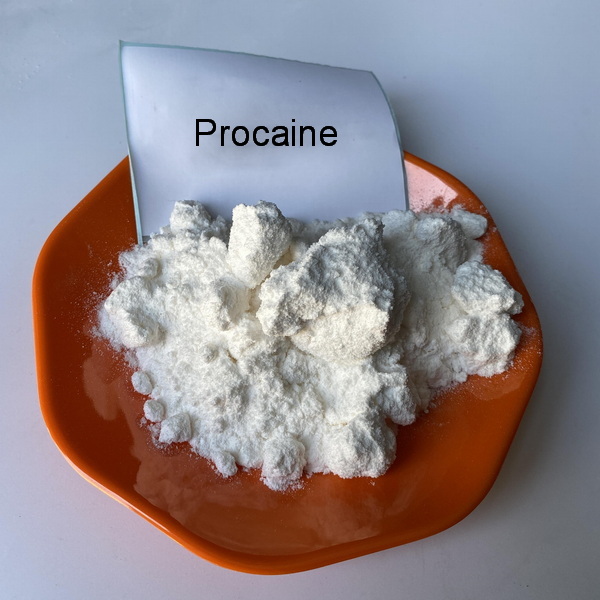
- No Intravenous Use: Procaine penicillin is contraindicated for IV administration due to high risk of severe adverse reactions including neurotoxicity and allergic responses.
- Allergy Assessment: Always screen patients for penicillin allergy or previous hypersensitivity reactions to minimize the risk of anaphylaxis.
- Needle Selection: Using appropriate needle gauge and length improves patient comfort and prevents clogging from the suspension.
- Volume Limits per Site: Limiting volume per injection site prevents local tissue damage and pain.
- Contraindications: Use caution or avoid in patients with severe liver or kidney impairment and those with history of severe beta-lactam allergies.
- Special Populations: Infants and children require careful site selection and dose adjustment to avoid nerve injury and excessive discomfort.
Close monitoring during and after administration is advised to detect any adverse effects promptly.
For international brand owners, wholesalers, and pharmaceutical partners seeking reliable sourcing of procaine penicillin and related drugs, working with an experienced Chinese OEM manufacturer offers multiple benefits:
- High quality production meeting GMP and ISO standards
- Tailored OEM/ODM solutions including customized packaging and labeling
- Competitive pricing with flexible order quantities
- Full regulatory support and export documentation for global markets
- Fast sample and bulk order fulfillment in veterinary and human medicinal grades
By partnering with a trusted supplier, you ensure consistent supply, quality assurance, and expert service to support your business growth.
Correct dilution and administration of procaine penicillin injections play a crucial role in maximizing therapeutic efficacy and minimizing complications. Healthcare professionals must strictly follow manufacturer instructions and maintain aseptic techniques throughout the process. Being informed about proper dosing, injection sites, and patient-specific precautions further enhances safety and patient comfort.
For international buyers and pharmaceutical companies, sourcing from certified OEM manufacturers in China offers a dependable solution with tailored services, high manufacturing standards, and global logistics expertise.
Remember, ensuring quality at every step—from dilution to injection—is the key to successful treatment outcomes and long-term trust in your pharmaceutical products. Contact us to know more!
It is generally not recommended to use normal saline unless explicitly stated by the manufacturer. Most formulations require sterile water for injection to maintain drug stability and efficacy. Using saline can cause precipitation and reduce drug effectiveness.
Procaine penicillin suspension should ideally be used immediately after reconstitution. If storage is necessary, it should be refrigerated, and use should be within the timeframe specified by the manufacturer's stability guidelines to avoid degradation or contamination.
Adults: upper outer quadrant of the gluteal muscle (buttocks).
Children: mid-lateral thigh is preferred to avoid nerve injury. Selecting the correct site ensures safety and increases patient comfort.
Refer strictly to the product label and prescribing information. For example, a 0.6 MIU vial often requires 4 mL of diluent, while a 1.2 MIU vial may also use 4 mL depending on the specific formulation. Do not exceed manufacturer recommendations to prevent dosing errors.
Yes, many Chinese manufacturers provide OEM and ODM services, including custom packaging, branding, and regulatory documentation support for international clients. This facilitates seamless global distribution with trusted quality standards.