Content Menu
● Why Properly Dissolving Lidocaine Powder Matters
● Choosing the Right Solvent for Lidocaine
>> Solvents for Lidocaine Free Base
>> Solvents for Lidocaine Hydrochloride
>> Considerations When Choosing Solvents
● Step-by-Step Guide: How to Dissolve Lidocaine Powder
>> Step 1: Determine Desired Concentration
>> Step 2: Weigh Lidocaine Powder Accurately
>> Step 3: Measure Appropriate Solvent Volume
>> Step 4: Combine Lidocaine and Solvent with Stirring
>> Step 5: Adjust pH if Necessary
>> Step 6: Filter the Solution (Optional but Recommended for Injections)
>> Step 7: Label and Store Properly
● Applications and Special Considerations
>> Injectables
>> Laboratory and Industrial Research
● Troubleshooting Common Problems
● Frequently Asked Questions (FAQ)
>> 1. How long does it typically take for lidocaine powder to dissolve?
>> 2. Can lidocaine powder be dissolved in vegetable oil for making ointments?
>> 3. What concentration is recommended for most lidocaine solutions?
>> 4. How can I tell if lidocaine powder has fully dissolved?
>> 5. Is tap water suitable for dissolving lidocaine powder?
Lidocaine powder is a widely used local anesthetic in the fields of medicine, biotechnology, health, and medical devices. Its applications span from minor surgical procedures and dental operations to research laboratories and pharmaceutical compounding. Understanding the correct methods to dissolve lidocaine powder is crucial for professionals aiming to achieve the most effective and stable formulation for their specific needs. This article provides detailed guidance on dissolving lidocaine powder, supported by step-by-step instructions, practical tips, and in-depth explanations to simplify the process.
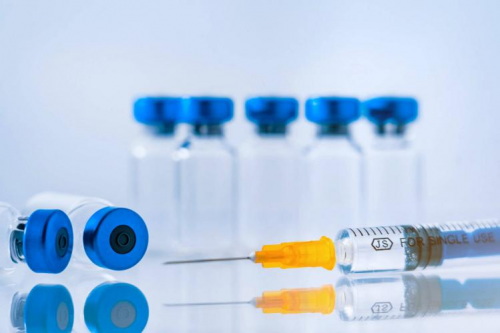
Lidocaine, also known as xylocaine or lignocaine, is a white to pale yellow crystalline powder that is typically available in two main forms: the free base and lidocaine hydrochloride. It acts by blocking sodium channels in nerve cells, thereby preventing pain signals from reaching the brain. Due to its effectiveness, lidocaine is widely used in topical creams, injectables, gels, patches, and other pharmaceutical preparations.
The physical and chemical properties of lidocaine differ depending on its form. The free base is lipophilic and not readily soluble in water, whereas lidocaine hydrochloride, the salt form, is hydrophilic and highly soluble in water. This difference in solubility has important implications for how the powder can be dissolved and used in various formulations.
Understanding these forms and their solubility characteristics is fundamental to selecting appropriate solvents and techniques for preparing lidocaine solutions tailored to specific medical or research needs.
Proper dissolution of lidocaine powder is critical for several reasons:
- Uniform Drug Distribution: Ensures each dose or application contains an accurate and consistent amount of lidocaine, which is essential for safety and efficacy.
- Maximized Anesthetic Effectiveness: Fully dissolved lidocaine can better penetrate tissues or act systemically, ensuring optimal pain relief.
- Avoidance of Clumping or Precipitation: Undissolved particles can cause blockages in injectors, inconsistent dosing, or poor absorption.
- Ease of Use in Compounding and Research: Properly dissolved solutions simplify handling, measurement, and further processing.
- Patient Safety: Well-prepared solutions reduce risks associated with impurities, contamination, and dosage errors.
By paying close attention to how lidocaine powder is dissolved, pharmaceutical manufacturers, laboratories, and health professionals can better assure safety and functionality of their products.
The solvent choice depends primarily on the form of lidocaine powder and the intended application of the solution. The two main categories are lidocaine free base and lidocaine hydrochloride.
The free base form has limited water solubility but dissolves well in organic solvents such as ethanol (ethyl alcohol), isopropyl alcohol, propylene glycol, oils, ether, benzene, and chloroform. For topical applications, oils such as vegetable or mineral oil can serve as solvents or carriers, allowing the creation of ointments or creams.
When dissolving the free base to create solutions, it is vital to use high-purity solvents to avoid reactions with impurities that might degrade the lidocaine or affect stability.
Lidocaine hydrochloride dissolves readily in water and saline solutions, which makes it the preferred form for injectable anesthetic solutions. It is also soluble in alcohol to some extent and can be prepared in aqueous bases for topical formulations.
The use of sterile water or saline is essential when preparing injectable solutions to ensure biocompatibility and reduce the risk of contamination or infection.
- Purpose of Preparation: Injection, topical use, laboratory research, or industrial manufacturing.
- Solubility Requirements: Based on the desired concentration and form of lidocaine.
- Safety and Regulatory Compliance: Usage of pharmaceutical-grade solvents, sterilization standards, and chemical compatibility.
- Storage and Stability: Some solvents may increase the shelf life or require special storage conditions.
By carefully evaluating these factors, users can select the most effective solvent for their lidocaine formulation.
- Lidocaine powder (free base or hydrochloride)
- Appropriate solvent (alcohol, sterile water, saline, or oil as per application)
- Precision weighing scale
- Clean, sterile glassware or plastic containers
- Stirring apparatus (magnetic stirrer or manual stirring rod)
- pH meter or pH indicator strips (optional)
- Filtering equipment (for sterile or particulate-free solutions)
- Protective gloves and safety equipment
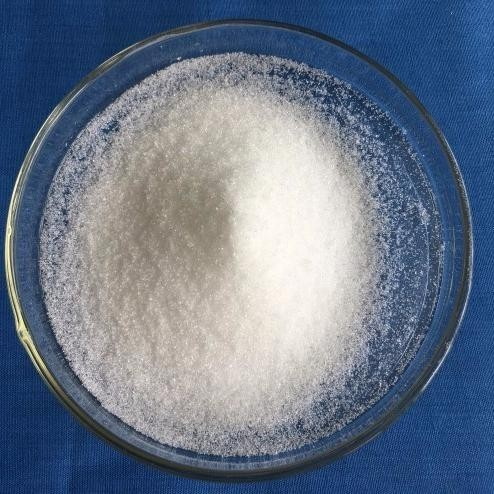
Choose the final concentration of your lidocaine solution depending on its intended use. Common concentrations include 1%, 2%, or higher, where percent (w/v) refers to grams of lidocaine per 100 mL of solvent. For example, preparing a 1% solution requires dissolving 1 gram of lidocaine powder in 100 mL of solvent.
Use a precision scale to measure the exact amount of lidocaine powder needed. Accurate measurement is key to ensuring the efficacy and safety of the final solution.
Select the solvent based on whether you are using the free base or hydrochloride form. Measure out the correct volume of solvent corresponding to your desired final solution volume.
Add the solvent into a clean container first. Slowly add the weighed lidocaine powder while stirring gently. Use a magnetic stirrer for uniform and efficient dissolution, or stir manually with a rod. Continue stirring until the lidocaine powder completely dissolves. This process should occur at room temperature unless heat is specifically recommended.
Some formulations, particularly injectable ones, require the solution pH to be in the range of 5 to 7 to ensure stability and reduce irritation upon administration. pH adjustments can be made using appropriate buffers or acid/base additions under controlled conditions.
For injectable lidocaine solutions, filter sterilization through a 0.22μm or 0.45μm membrane filter is essential to remove particulates and contaminants.
Finally, transfer the solution to a clean, sealed container, label it with concentration, preparation date, and safety information. Store according to manufacturer recommendations—typically away from light, at room temperature or refrigerated as required.
Lidocaine hydrochloride solutions for injection must be prepared under sterile conditions. Use sterile water, saline, and filtration. Maintain strict aseptic technique to avoid contamination. Adjust pH carefully and avoid additives that may cause instability.
For creams, gels, and ointments, lidocaine free base is often preferred. It may be combined with other anesthetics such as benzocaine or tetracaine to form eutectic mixtures that improve skin penetration and solubility. Oils or appropriate emulsifiers are used as solvents or carriers to enhance the product's texture and delivery properties.
Research and industrial usage may require dissolution in organic solvents or conversion of the free base into hydrochlorides by acid-base reactions. Experience in chemical handling and safety is essential. Additional steps such as purification, drying, or crystallization may follow dissolution.
Always wear personal protective equipment such as gloves, goggles, and masks when handling lidocaine powder and solvents. Work in a well-ventilated area or fume hood to avoid inhalation of fine powders or solvent vapors. Label all containers clearly and observe proper waste disposal guidelines to protect both personal and environmental health.
- Incomplete Dissolution or Cloudiness: Often caused by incorrect solvent use or insufficient stirring. Consider switching solvent or gently warming the solution slightly only if compatible.
- Precipitation After Preparation: This might indicate improper pH or solvent incompatibility. Adjust as needed or prepare fresh solutions.
- Color Change: A yellow or brown discoloration indicates degradation or contamination; discard such solutions.
- Slow Dissolution: Increasing agitation, allowing longer time, or applying mild heat within safe temperature limits can improve solubility.
Properly dissolving lidocaine powder is essential for creating safe, stable, and effective anesthetic formulations. By understanding the chemical nature of lidocaine, choosing the right solvents, following systematic preparation steps, and incorporating safety protocols, professionals can produce high-quality lidocaine solutions tailored to diverse medical and research applications. Whether for injection, topical use, or industrial research, mastering lidocaine dissolution ensures better product performance and patient outcomes.
We invite you to contact our professional factory team for expert consultation on OEM lidocaine preparations, bulk pricing, and custom formulations. Partner with us to bring reliable, high-quality anesthetic products to your customers!
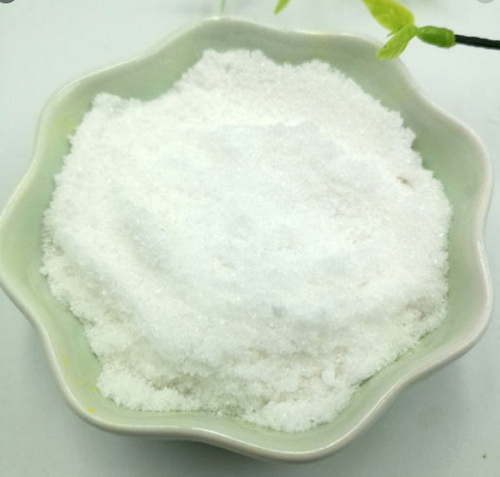
Lidocaine dissolves within minutes when stirred properly in suitable solvents such as water (for hydrochloride) or alcohol (for free base). Time depends on solvent temperature, lidocaine particle size, and agitation.
Yes, the free base form is soluble in certain oils, making vegetable oils a viable choice for topical ointments. Proper mixing, testing, and stability evaluation are recommended.
Common clinical concentrations are 1% and 2%, with 1% being widely used for topical anesthesia and 2% often for injections. Always follow clinical guidelines relevant to the application.
A clear, homogenous solution without visible particles or cloudiness indicates complete dissolution. If particles remain, continue stirring or reassess solvent choice.
For non-injectable topical solutions, distilled or deionized water is preferable. For injectable formulations, only sterilized water or physiological saline should be used to prevent contamination and ensure safety.
Hot tags: Dissolving Lidocaine Powder Guide, How To Mix Lidocaine In Solution, Lidocaine Powder Solubility, Lidocaine Powder In Water Or Alcohol, Lidocaine Powder To Liquid, Lidocaine Mixing Instructions, Make Injectable Lidocaine From Powder, How To Use Lidocaine Base Powder, Lidocaine Powder Suspension Recipe, Best Way To Dissolve Lidocaine