Content Menu
● Introduction to Lidocaine Powder
● Step-by-Step Manufacturing Process
>> 1. Formation of Chloroacetyl-2,6-xylidine
>>> Equipment and Safety Measures
>>> Process Details
>> 2. Amination—Synthesis of Lidocaine Base
>> 3. Purification and Recrystallization
● Industrial Scale Considerations
● Safety and Environmental Protocols
● Applications of Lidocaine Powder
● Frequently Asked Questions (FAQ)
>> 1. What raw materials are needed to make lidocaine powder?
>> 2. What purity level does pharmaceutical-grade lidocaine powder achieve?
>> 3. How is quality and safety ensured during lidocaine production?
>> 4. Is the lidocaine synthesis process environmentally friendly?
>> 5. Can OEM or custom formulations be made using your lidocaine powder?
Lidocaine is one of the most widely used local anesthetics globally, prized for its fast-acting numbing properties and broad application in medicine, dentistry, and over-the-counter products. For international OEMs, wholesalers, and manufacturers looking to understand the production of lidocaine powder, this comprehensive guide delves into raw materials, step-by-step processes, industrial considerations, and stringent quality assurance protocols. With detailed explanations of each stage, you'll gain a clear understanding of the entire workflow involved in making lidocaine powder.
> Note: The chemical synthesis of lidocaine requires specialized knowledge, professional facilities, and adherence to strict regulatory standards. The following guide is for informational and educational use only.
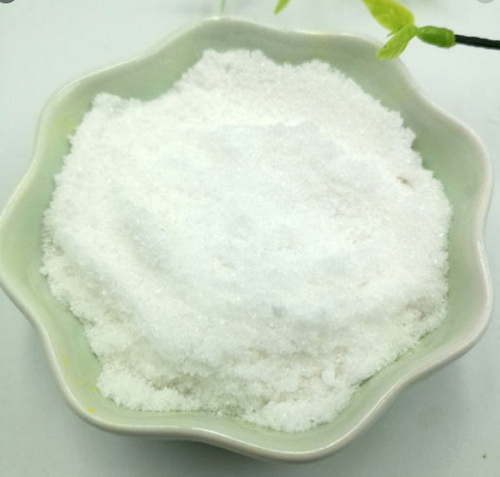
Lidocaine powder is a white crystalline substance commonly used as the base for injections, gels, creams, and topical solutions. Originally synthesized in the 1940s, lidocaine revolutionized local anesthesia by offering improved safety and stability compared to previous compounds. Today, pharmaceutical-grade lidocaine must meet rigorous standards of purity, efficacy, and safety to be suitable for medical and commercial applications.
The versatility of lidocaine spans multiple industries, including healthcare, pharmaceuticals, dental care, and personal care products. This wide usage creates a consistent demand for high-purity lidocaine powder produced under strict quality control measures, especially when offered as an OEM product for foreign brands and distributors.
The synthesis of lidocaine powder relies on a carefully selected set of raw materials and reagents. Understanding these components and their roles in the chemical reactions is crucial to successful manufacturing.
- 2,6-Dimethylaniline (also known as xylidine): This aromatic amine serves as the primary starting organic compound providing the key structural backbone.
- Chloroacetyl chloride: A reactive acyl chloride which undergoes acylation with 2,6-dimethylaniline, introducing the chloroacetyl functional group.
- Diethylamine: Acts as a nucleophile during the amination stage, replacing the chlorine atom to form the lidocaine molecule.
- Solvents: Acetone, benzene, petroleum ether, and other organic solvents facilitate dissolution and reaction kinetics at different stages.
- Bases: Potassium carbonate or sodium carbonate neutralize acid byproducts and maintain reaction pH.
- Supplementary reagents: Hydrochloric acid, activated carbon, and purified/distilled water assist in purification, recrystallization, and finishing steps.
The production of lidocaine is generally divided into two major chemical steps:
1. Acylation: 2,6-dimethylaniline reacts with chloroacetyl chloride under controlled temperature and stirring conditions to form chloroacetyl-2,6-xylidine. This reaction is exothermic and requires slow addition and cooling to manage heat generated.
2. Amination: The chloroacetyl intermediate undergoes nucleophilic substitution with diethylamine. This step replaces the chlorine atom with the diethylamino group, yielding the lidocaine base. The base can optionally be converted into lidocaine hydrochloride salt by acidification, enhancing water solubility and stability for pharmaceutical formulations.
These reactions must proceed with high selectivity and minimal impurities to ensure the final product's pharmaceutical quality.
The industrial manufacture of lidocaine powder involves meticulous control of reaction conditions, purification, and drying procedures. Below is the detailed process used in modern production facilities.
A three-necked round-bottom flask equipped with a mechanical stirrer, thermocouple for temperature monitoring, and a dropping funnel is standard. All operations are conducted in a fume hood with operators wearing gloves, goggles, and protective clothing due to the toxic and corrosive nature of reagents like chloroacetyl chloride.
- Dissolve 2,6-dimethylaniline in acetone to form a homogeneous solution in the flask.
- Add a base such as potassium carbonate to neutralize hydrogen chloride formed during the reaction.
- Cool the reaction mixture below 28°C to prevent uncontrolled exothermic reactions.
- Slowly introduce chloroacetyl chloride dropwise, ensuring sufficient stirring for uniform mixing.
- Maintain stirring at low temperature for several hours to complete the acylation.
- Upon reaction completion, isolate the intermediate chloroacetyl-2,6-xylidine by suction filtration.
- Wash the solid intermediate thoroughly with cold acetone or water to remove residual impurities.
- Dry the filtered product under air or vacuum to prepare it for the next step.
- Dissolve the dried chloroacetyl-2,6-xylidine in acetone in the reactor flask.
- Add potassium carbonate to act as a base during the substitution reaction.
- Introduce diethylamine dropwise to the solution while stirring.
- Heat the mixture to approximately 60°C and maintain reflux conditions for about 8 hours to ensure complete amination.
- After completion, cool the reaction mixture and filter out any solid byproducts.
- Concentrate the filtrate by removing acetone under reduced pressure at around 40°C.
- Recrystallize the crude lidocaine product using petroleum ether or another nonpolar solvent to increase purity.
- Finally, vacuum dry the purified lidocaine powder at 40–50°C to obtain a powder exceeding 98% purity.
At this stage, the lidocaine is often obtained in its base form. For many pharmaceutical applications, it is converted into the more stable hydrochloride salt.
- Dissolve the crude lidocaine base in minimal hot petroleum ether to form a saturated solution.
- Filter the hot solution to remove insoluble impurities.
- Cool the solution gradually to induce crystallization of the pure lidocaine product.
- Collect crystals through filtration and dry under vacuum at controlled temperatures.
- Optional conversion to lidocaine hydrochloride involves dissolving the base in acetone and slowly adding hydrochloric acid until the pH reaches 4 or less.
- Cool, filter, and dry the hydrochloride salt powder for enhanced solubility and stability.
This purification step is critical to achieve pharmaceutical-grade quality, removing any residual impurities or byproducts from earlier reactions.
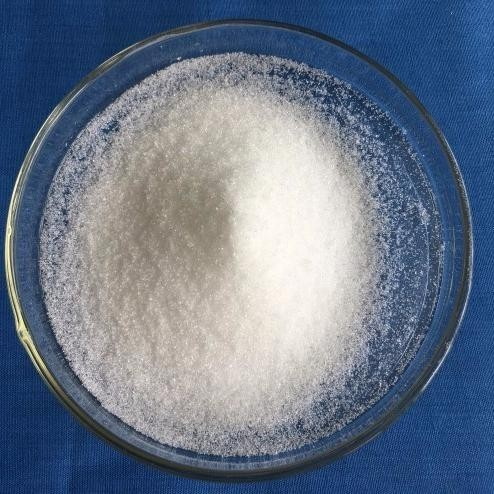
Ensuring consistent, high-quality lidocaine powder requires rigorous testing throughout production.
- High-Performance Liquid Chromatography (HPLC): The gold standard for purity analysis, HPLC confirms lidocaine concentration at >98-99%, identifying and quantifying impurities.
- Melting Point Determination: Pure lidocaine base melts near 67°C, while the hydrochloride salt melts higher. Deviations indicate impurities or improper crystallization.
- Moisture Content Measurement: Hygroscopicity is controlled to prevent degradation and maintain shelf stability.
- Visual Inspection: Final product should be a white crystalline powder, free from discoloration or clumps.
- Batch Consistency: Repeated tests across batches validate reproducibility and process control.
Maintaining strict quality standards is vital for medical safety and regulatory compliance, especially for OEM customers distributing to international markets.
Scaling lidocaine synthesis from lab to industrial scale introduces additional complexities and efficiencies.
- Automated Systems: Many modern plants employ automated reactors with precision temperature and stirring control, coupled with programmable solvent recovery and drying units to optimize yield and safety.
- Batch Sizes: Facilities handle varying scales, from gram-level research batches to multi-ton commercial volumes. Controlling reaction kinetics and heat generation becomes more challenging at large scale.
- Environmental Management: Effective waste treatment, solvent recycling, and air filtration systems minimize environmental impact and comply with regulations like GMP and ISO standards.
- Personnel Training: Skilled technicians and strict standard operating procedures ensure safe handling of highly reactive and potentially hazardous chemicals.
These considerations help maintain product quality, reduce costs, and foster sustainable manufacturing practices.
Given the hazardous nature of involved chemicals, safety is paramount.
- Personal Protective Equipment (PPE): Gloves, goggles, respirators, and protective clothing must be worn at all times during synthesis.
- Reaction Control: Temperature, pressure, and reagent addition rates are precisely managed to avoid runaway reactions.
- Ventilation: Fume hoods and extractors capture volatile organic compounds and harmful vapors.
- Waste Handling: Byproducts are neutralized chemically before disposal according to local environmental laws, preventing soil or water contamination.
- Solvent Recovery: Advanced recovery units reuse acetone and other solvents, reducing emissions and lowering raw material consumption.
Adhering to these protocols ensures the safety of workers, the community, and the environment.
Lidocaine powder serves as an essential raw material in various healthcare and consumer products:
- Injectable Local Anesthetics: Used in surgeries, dental procedures, and emergency medicine for rapid numbness.
- Topical Gels and Creams: Provides localized relief for pain, itching, or minor skin irritations.
- Oral Sprays and Lozenges: Relieves sore throat pain and mucosal irritation.
- Personal Care Products: OEM formulations incorporate lidocaine for products like tattoo numbing creams and cosmetic treatments.
- Pharmaceutical Intermediates: Used as a building block to derive other anesthetic compounds or combination medications.
Given this extensive range of uses, supplying consistent, high-purity lidocaine powder is critical to multiple industries worldwide.
Producing high-quality lidocaine powder involves complex chemical synthesis, thorough purification, and strict adherence to quality and safety protocols. It requires expert handling of raw materials, precision in reaction management, and comprehensive testing at each stage. With modern industrial processes, environmentally conscious practices, and automated technologies, manufacturers can deliver pharmaceutical-grade lidocaine powder suitable for global OEM, wholesale, and branded product applications.
Our factory specializes in providing turnkey solutions including R&D, production, and regulatory compliance support tailored to the needs of international partners. Whether you require bulk supply of lidocaine powder or customized formulations such as gels, creams, or injectables, we are ready to collaborate with you.
Start your partnership with us today to secure premium lidocaine powder supply and distinguished OEM services. Contact us now for quotes, technical assistance, and regulatory information!
The primary raw materials include 2,6-dimethylaniline, chloroacetyl chloride, diethylamine, solvents such as acetone, and bases like potassium carbonate that facilitate the necessary chemical reactions.
Typically, pharmaceutical-grade lidocaine must exceed 98–99% purity, which is verified through high-performance liquid chromatography (HPLC) and melting point analysis to ensure safety and efficacy.
Through rigorous in-process testing including HPLC, melting point determination, moisture content verification, and adherence to GMP and environmental standards, manufacturers maintain consistent product quality and safety.
Modern industrial production emphasizes solvent recovery, waste neutralization, and strict emission controls making it significantly more environmentally responsible compared to earlier methods.
Yes. Our facilities offer extensive OEM services capable of producing raw powders, gels, creams, and injectable forms customized to meet brand requirements and regulatory guidelines globally.
Hot tags: How Lidocaine Powder Is Made, Lidocaine Powder Synthesis, Making Lidocaine Base Powder, Pharmaceutical Grade Lidocaine Production, Can You Make Lidocaine At Home, Chemical Process For Lidocaine Powder, Lidocaine Base Manufacturing, DIY Lidocaine Powder Guide, Formulating Lidocaine Powder, Lab-Grade Lidocaine Creation