Content Menu
● Applications of Lidocaine Powder
● How is Lidocaine Powder Made? (Manufacturing Process)
>> Step 1: Starting Raw Materials
>> Step 2: Intermediate Formation
>> Step 3: Main Reaction to Produce Crude Lidocaine
>> Step 5: Conversion to Lidocaine Hydrochloride (Optional)
● Step-by-Step Guide: How to Get Lidocaine Powder
>> 1. Identify Your Intended Use
>> 2. Research and Select Qualified Suppliers
>> 3. Verify Certification and Quality Assurance
>> 4. Request Samples for Evaluation
>> 5. Understand Pricing, MOQ, and Lead Time
>> 6. Negotiate Packaging and Shipping
>> 7. Confirm Regulatory Compliance
>> 8. Receive and Inspect Shipment
● Choosing a Reliable Supplier: OEM and ODM Insights
● Safety, Quality, and Documentation
● Shipping, Packaging, and Global Delivery
● Legal and Regulatory Considerations
● Frequently Asked Questions (FAQ)
>> 1. What documents should I expect from a professional lidocaine powder supplier?
>> 2. Can I order lidocaine powder samples for product development?
>> 3. What is the typical minimum order quantity (MOQ) for OEM or wholesale lidocaine powder?
>> 4. How can I ensure my lidocaine powder importation passes customs smoothly?
>> 5. Is the lidocaine powder you supply suitable for both pharmaceutical and cosmetic formulations?
Lidocaine powder is an essential raw material widely used in pharmaceuticals, medical devices, cosmetic anesthesia, and scientific research. If you are a brand owner, wholesaler, or manufacturer seeking OEM solutions, understanding how to source, purchase, and handle lidocaine powder safely and effectively is crucial to ensuring the quality of your products. This comprehensive guide will take you through every important aspect of obtaining lidocaine powder—from understanding its nature and applications to selecting reliable suppliers, ensuring regulatory compliance, and managing logistics—empowering you to make informed decisions for your business success.
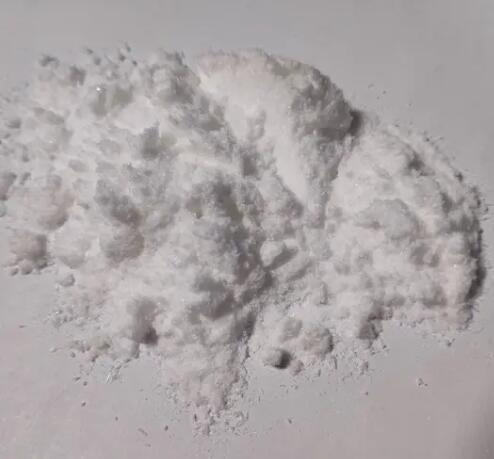
Lidocaine powder has experienced growing demand globally due to its valuable anesthetic and medical properties. As markets expand and competition intensifies, a professional, transparent, and strategic approach to sourcing lidocaine powder is required. This ensures your products meet international standards for safety and efficacy while minimizing regulatory risks and delays. Particularly for foreign buyers working with Chinese manufacturers, clear insights into production technologies, quality control, and legal considerations will help you build long-term partnerships and scale with confidence.
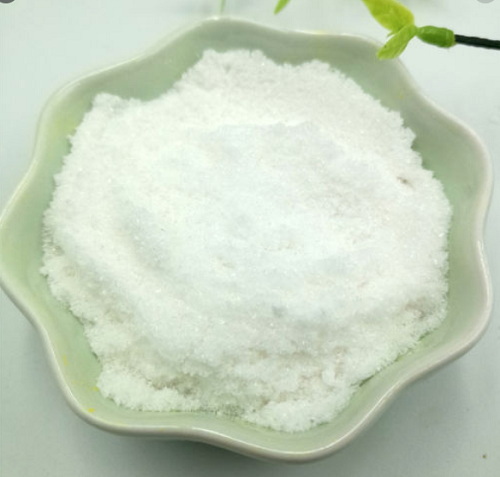
Lidocaine, also referred to as lignocaine, is a synthetic amino amide-type local anesthetic. It is typically encountered as a white crystalline powder, an odorless and tasteless compound that is valued for its rapid onset of action and moderate duration of numbing effects. Lidocaine is commonly available in two chemical forms: the lidocaine base and lidocaine hydrochloride (lidocaine HCl) salt. The base form is often used when further chemical processing or formulation is required, while the hydrochloride form is water-soluble, making it more suitable for injectable solutions and topical creams.
The molecular structure of lidocaine allows it to effectively block nerve signal transmission by inhibiting voltage-gated sodium channels in cell membranes, producing localized anesthesia. This property has led to its widespread use in medical, dental, cosmetic, veterinary, and research applications.
Lidocaine powder serves as a critical ingredient across various sectors:
- Medical: It is used extensively in topical anesthetics, injectable formulations, patches for localized pain relief, and as an antiarrhythmic agent in cardiovascular treatments.
- Pharmaceutical: Acts as an active pharmaceutical ingredient (API) in compounding pharmacies for customized drug development, pain management medications, and emergency anesthetics.
- Cosmetic: Plays a fundamental role in products such as tattoo anesthetic creams, cosmetic surgery anesthetics, skin numbing agents for laser treatments, and hair removal creams.
- Veterinary: Applies in animal anesthesia and pain relief agents, ensuring humane treatment during minor surgeries and procedures.
- Research: Used in biochemical assays, pharmacological research, and as a reagent in analytical laboratories developing new pharmaceutical compounds.
Understanding your specific application will guide your choice of supplier, product grade, and compliance requirements.
The industrial synthesis of lidocaine powder involves a structured multi-step chemical process designed to meet stringent quality standards.
The process begins with 2,6-dimethylaniline, which reacts with chloroacetyl chloride to form an intermediate compound called chloroacetyl-2,6-xylidine. Both raw materials require high purity to avoid impurities in the final product.
In a controlled reaction environment, the starting materials undergo a chemical reaction to yield the intermediate compound. Parameters such as temperature, reaction time, and catalyst presence are monitored rigorously.
The intermediate is then reacted with diethylamine to create crude lidocaine. This reaction must be carefully controlled to optimize yield and reduce byproducts.
Crude lidocaine is purified through vacuum drying, recrystallization, and filtration techniques. These methods remove residual solvents and impurities, resulting in highly pure white crystalline lidocaine base powder.
Depending on customer requirements, the purified lidocaine base can be treated with hydrochloric acid to form lidocaine hydrochloride. This salt form increases water solubility and improves stability, making it more suitable for injectable and topical formulations.
Throughout the manufacturing process, strict quality control tests ensure:
- Purity levels of 98% to 99.5%, meeting pharmacopeia standards like USP and EP.
- Consistent particle size distribution for formulation consistency.
- Absence of harmful impurities and degradation products.
- Conformance with Good Manufacturing Practices (GMP).
This sophisticated manufacturing ensures the end product meets global pharmaceutical and regulatory standards.
Acquiring top-quality lidocaine powder requires careful planning and due diligence. Here is a definitive guide:
Clarify the specific application of the lidocaine powder in your manufacturing or research process (e.g., compounding API, OEM product formulation, academic studies). Your application will dictate the grade, form, and purity you need.
Selecting a reliable supplier is paramount. Prioritize manufacturers with:
- Proven experience in pharmaceutical-grade lidocaine production.
- Valid certifications such as GMP, ISO 9001, and possibly COS or NSF.
- Export licenses and adherence to international quality standards.
- Transparency in production capabilities and testing methods.
Request company profiles, quality certifications, and references. Suppliers with good client feedback and transparent communication will reduce risks.
Insist on supporting documentation such as:
- Material Safety Data Sheet (MSDS) explaining handling procedures.
- Certificate of Analysis (COA) for every batch showing purity and safety test results.
- Third-party laboratory reports confirming compliance with pharmacopeia standards.
- MSDS and hazard labeling according to international regulations.
Verification at this stage prevents future regulatory or safety issues.

Before placing a large order, request small samples (usually 10g to 100g) for formulation testing or analytical verification. This allows you to verify:
- Physical characteristics (appearance, color, particle size).
- Chemical purity through independent lab testing.
- Compatibility with your manufacturing processes.
Discuss minimum order quantity (MOQ), bulk pricing, and delivery timelines. MOQs commonly start from 1kg for industrial suppliers but vary based on company policy and product form. Bulk orders usually attract discounts.
Lead times will depend on material availability, quality checking, packaging, and shipping options.
Choose packaging based on your handling needs:
- Small sealed bags or bottles for R&D.
- Larger drums or airtight containers for industrial productions.
Ensure packaging is moisture-proof, tamper-evident, and compliant with regulations for controlled compounds.
Work with suppliers offering global shipping with secure courier options. Reliable tracking, customs documentation assistance, and insurance are vital to avoid delays.
Research import regulations of your destination country. Lidocaine powders may be regulated as pharmaceuticals or controlled substances requiring licenses, permits, or declarations for import.
Coordinate with your supplier on correct product classification, customs forms, and proof of authorization. This smooths customs clearance and ensures legal compliance.
Upon delivery:
- Check the integrity of packaging and labeling.
- Cross-verify COA and batch number.
- Perform your in-house quality checks if applicable.
Proper inspection helps identify discrepancies promptly.
An experienced Chinese manufacturer like supplybenzocaine.co.uk offers comprehensive OEM/ODM services tailored to your brand and regulatory needs:
- Custom batch manufacturing under specific client formulations and quality specifications.
- Private label design, packaging customization, and multilingual documentation support.
- Dedicated R&D team for technical consultations and product innovation.
- End-to-end regulatory compliance assistance, including GMP certifications.
- Global shipping solutions optimized for your timelines and destinations.
Partnering with such suppliers enhances product reliability, market readiness, and customer trust.
Handling lidocaine powder demands strict safety precautions due to its pharmacological potency. Key points include:
- Availability and understanding of the Material Safety Data Sheet (MSDS) to guide storage, handling, and spill response.
- Use of personal protective equipment (PPE) when processing—gloves, masks, lab coats.
- Storage in cool, dry, and ventilated environments away from incompatible substances.
- Proper labeling and tamper-proof packaging to prevent misuse.
Quality documentation such as COA, batch records, and compliance reports must be retained for supplier audits and regulatory inspections.
Efficient logistics underpin successful procurement:
- Sample shipments usually travel by air express, ensuring delivery in 1–3 business days.
- Bulk orders might be sent by sea freight or courier depending on quantity and customer requirements.
- Packaging integrates moisture-proof liners, nitrogen filling (optional), and sealed outer cartons.
- Suppliers provide tracking numbers and support customs brokerage to avoid shipment hold-ups.
Flexibility and reliable communication from your supplier enhance supply chain resilience.
Lidocaine's status varies globally:
- Often classified as a pharmaceutical and may require import licenses, registrations, or end-use declarations.
- Some countries restrict importation of lidocaine powder without strict regulatory oversight.
- OEM brands must ensure their formulations meet local monographs and labeling norms.
- Misclassification can lead to shipment seizures or legal penalties.
It is essential to consult regulatory experts or suppliers familiar with your target markets to maintain compliance.
Obtaining high-grade lidocaine powder is a multifaceted process that requires detailed knowledge of its chemical properties, manufacturing, quality assurance, legal frameworks, and logistics. Only with careful supplier selection, thorough documentation review, and regulatory compliance can you ensure safe, efficient procurement of lidocaine powder for pharmaceutical, medical, cosmetic, or research applications.
Our factory specializes in providing premium lidocaine powder with flexible OEM/ODM services, rigorous quality control, and global export experience. By partnering with us, you gain a reliable source committed to helping your business thrive with exceptional product quality and seamless delivery.
Contact us today for a free quote, product sample, or technical consultation—let's power your next project with confidence and excellence!
You should receive the Material Safety Data Sheet (MSDS), Certificate of Analysis (COA) for batch purity and safety, export licenses, and if applicable, third-party testing reports certifying pharmaceutical-grade quality and compliance.
Yes, reputable suppliers provide sample quantities ranging from 10g to 100g. These samples are shipped promptly to support formulation trials, stability studies, or analytical testing before large-scale purchase.
Most suppliers set an MOQ around 1 kilogram for bulk purchases, but many can accommodate smaller pilot orders or sample lots, especially when partnering for OEM/ODM contracts.
Partner with suppliers experienced in compliance who provide accurate product classification, complete documentation, and support with customs clearance. Verify import regulations for your country and prepare necessary licenses beforehand.
Yes. Our GMP-certified lidocaine powder is produced under stringent quality controls to meet pharmaceutical standards and can be customized for cosmetic and medical device applications as per client requirements.