Content Menu
● Introduction: Lidocaine and Its Applications
● Step-by-Step Process: Turning Lidocaine Into Powder
>> 2. Chemical Synthesis Process
>> 3. Purification and Crystallization
>> 4. Drying and Powder Formation
>> 5. Quality Control Procedures
● Key Equipment Used in Lidocaine Powder Production
● Safety and Regulatory Considerations
● FAQ
>> 1. What chemicals are required to synthesize lidocaine powder?
>> 2. How is lidocaine purified after synthesis?
>> 3. Can lidocaine powder be used directly in pharmaceutical products?
>> 4. What safety precautions are essential during the synthesis of lidocaine powder?
>> 5. Why should I choose professional OEM services for lidocaine powder production?
As a leading manufacturer in biotechnology, medical health, and pharmaceutical sectors, we recognize the growing demand for high-quality lidocaine powder for OEM applications worldwide. This comprehensive article will guide you through the science, industrial methods, and best practices for turning lidocaine into powder. We will detail the process step-by-step, covering raw materials, chemical synthesis, purification, drying, quality control, key equipment, and safety considerations. This information is crucial for foreign brand owners, wholesalers, and manufacturers who require reliable sources of excellent lidocaine powder for medical and pharmaceutical use.
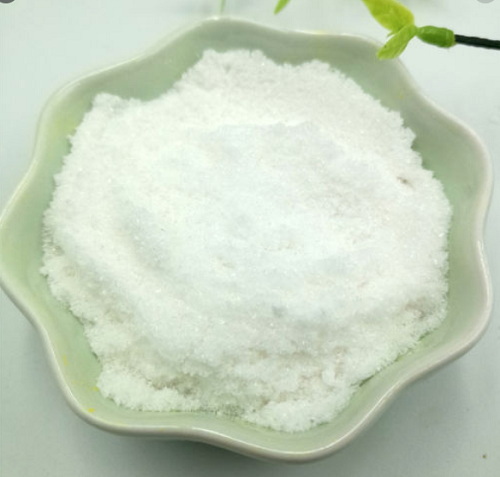
Lidocaine is one of the most widely used local anesthetic agents in medicine and dentistry. Its effectiveness in blocking nerve signals makes it invaluable during surgeries, dental procedures, and pain relief management. Beyond its topical forms like creams and patches, lidocaine powder is fundamental in pharmaceutical manufacturing. The powder form serves as a raw material to create injectables, gels, ointments, and compounded drugs. OEM manufacturers rely heavily on premium-quality lidocaine powder to ensure their final products deliver the required potency and safety.
Understanding how to produce lidocaine powder in a controlled, scalable, and GMP-compliant manner is essential. This article explains the chemistry behind lidocaine, the industrial chemical synthesis involved, purification techniques to attain pharmaceutical-grade powder, and the critical quality control protocols that ensure each batch meets stringent standards.
Lidocaine, chemically known as 2-(diethylamino)-N-(2,6-dimethylphenyl)acetamide, belongs to the amide class of local anesthetics. It is synthesized via a two-step chemical reaction sequence involving acylation and amination:
- Acylation Step: The aromatic amine 2,6-dimethylaniline (also known as 6-xylidine) reacts with chloroacetyl chloride to form an intermediate compound—chloroacetyl-2,6-dimethylaniline. This reaction requires the presence of a base, commonly potassium carbonate, and a solvent such as acetone.
- Amination Step: The intermediate then undergoes nucleophilic substitution with diethylamine. This step is typically performed under reflux conditions to ensure complete reaction over several hours.
After these steps, the crude lidocaine base is isolated. This crude product contains impurities and residual solvents, necessitating purification and recrystallization to obtain the pure lidocaine powder required for pharmaceutical use.
Quality raw materials are vital to ensure high purity and yield of lidocaine powder. The main chemicals used include:
- 2,6-Dimethylaniline (6-xylidine): This provides the aromatic amine structure essential for lidocaine's properties.
- Chloroacetyl Chloride: Functions as the acylating reagent.
- Diethylamine: Acts as the nucleophile that completes the lidocaine molecule.
- Potassium Carbonate: Used as a base to neutralize hydrochloric acid generated during the acylation step, and to maintain a suitable pH.
- Solvents: Acetone is predominantly used due to its ability to dissolve reactants and facilitate reactions. Sometimes toluene or petroleum ether is employed during recrystallization.
Selecting high-grade chemicals and solvent purity is critical to reduce contamination risk and to maximize subsequent purification efficiency.
Acylation Reaction:
The process begins in a reaction vessel where 2,6-dimethylaniline and potassium carbonate are mixed in acetone. Chloroacetyl chloride is then added dropwise with continuous stirring at a controlled temperature of approximately 20–25°C. The reaction proceeds for 0.5 to 3 hours, producing the intermediate chloroacetyl-2,6-dimethylaniline, which precipitates as a solid.
After completion, the solid intermediate is filtered out, washed thoroughly with water to remove leftover reagents and salts, then dried at about 100°C. The drying step yields a white, solid powder that serves as the starting material for the next stage.
Amination Reaction:
The intermediate is re-dissolved in acetone with additional potassium carbonate. Diethylamine is added carefully, and the mixture is heated to 60°C under reflux. This reaction is maintained for approximately 8 hours to ensure the nucleophilic substitution occurs fully, converting the intermediate into crude lidocaine base.
The reflux setup allows vapors to condense and return to the reaction vessel, preventing solvent loss and ensuring reaction efficiency.
Post-reaction, the mixture contains lidocaine along with impurities such as unreacted starting materials, side products, and solvents. To isolate pure lidocaine:
- The reaction mixture is filtered to remove insoluble impurities.
- Solvents are evaporated under reduced pressure at around 40°C, minimizing thermal degradation.
- The residue is recrystallized using a non-polar solvent such as petroleum ether or acetone. This recrystallization step is essential to form well-defined lidocaine crystals with high purity.
- Crystals are separated by filtration and subjected to vacuum drying at 40°C for several hours to remove any residual solvent or moisture.
The crystallization process not only improves purity but also provides the physical form—fine crystals—that can easily be milled into powder.
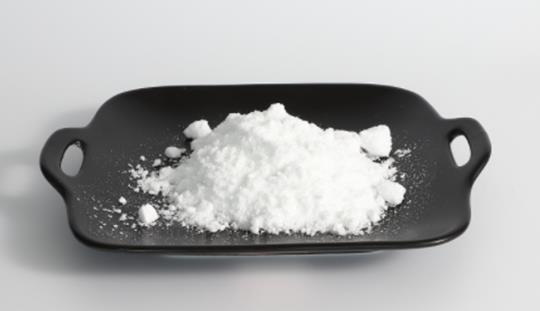
Once the purified lidocaine crystals are obtained, they undergo drying in industrial vacuum ovens. This drying ensures that moisture content is minimized, which is critical for stability and shelf life.
After drying, the crystals are gently milled and sieved to produce a free-flowing powder. The powder's particle size and morphology are carefully controlled to meet pharmaceutical standards and to facilitate formulation in drug manufacturing.
The powder is then packaged in sterile, sealed containers to prevent contamination and moisture ingress during storage and shipment.
Quality control (QC) is indispensable in lidocaine powder production to comply with pharmacopeia requirements and GMP regulations. QC tests typically include:
- Purity Testing: High-performance liquid chromatography (HPLC) and gas chromatography (GC) are employed to quantify lidocaine content and detect impurities. Purity standards above 99% are commonly required.
- Moisture Analysis: Karl Fischer titration measures water content, which impacts product stability.
- Physical Characterization: Crystal morphology, particle size distribution, and powder flow properties are assessed to ensure consistency.
- Safety Testing: Microbiological contaminant screening and chemical residue analysis guarantee product safety for pharmaceutical applications.
Batch-level testing helps certify that each production lot meets strict quality and regulatory parameters.
The production of lidocaine powder involves specialized chemical and pharmaceutical equipment, including:
- Three-necked Reaction Flasks or Enamel Reaction Kettles: For conducting the chemical synthesis reactions with multiple inlet points for reagents, temperature probes, and stirring mechanisms.
- Mechanical and Magnetic Stirrers: Ensuring constant mixing during synthesis.
- Filtration Units: Büchner funnels and fritted glass filters for separating solids from liquids.
- Vacuum Evaporators and Drying Ovens: To remove solvents under controlled low heat, preserving compound integrity.
- Recrystallization Vessels: Designed for efficient crystallization under optimized solvent and temperature conditions.
- Analytical Instruments: HPLC, GC, FTIR spectrometers, and moisture analyzers that provide critical QC data.
The integration of these tools ensures scalable production without compromising quality.
The synthesis and processing of lidocaine powder must adhere to strict safety and environmental regulations. Key considerations include:
- Personal Protective Equipment (PPE): Operators wear gloves, goggles, lab coats, and respirators as necessary to handle hazardous chemicals safely.
- Ventilated Facilities: Chemical reactions generating fumes or volatile compounds are conducted within fume hoods or controlled ventilation chambers.
- Waste Management: Chemical wastes are treated and disposed of in line with local environmental legislation to minimize ecological impact.
- Regulatory Compliance: Production follows Good Manufacturing Practice (GMP) standards, and compliance with pharmaceutical regulatory authorities (FDA, EMA, etc.) is ensured, especially if the product will be exported.
- Documentation: Comprehensive batch records and quality certificates secure traceability and facilitate audits.
Producing high-quality lidocaine powder from base chemicals requires detailed chemical knowledge, precision in industrial synthesis, rigorous purification, and stringent quality control. This process is highly technical, requiring specialized equipment and expertise to meet pharmaceutical standards and regulatory demands.
At our factory, we specialize in delivering premium lidocaine powder through professional OEM services tailored to foreign brand owners, wholesalers, and manufacturers. Our advanced manufacturing capabilities ensure product consistency, regulatory compliance, and excellent scalability.
If you need reliable, GMP-compliant lidocaine powder to enhance your product portfolio, please contact us for expert guidance, customized solutions, and competitive pricing. Partner with us to secure your supply chain and meet global market needs with confidence.

The key chemicals include 2,6-dimethylaniline (6-xylidine), chloroacetyl chloride, diethylamine, potassium carbonate as a base, and solvents such as acetone or toluene. Each must be of high purity to ensure an effective synthesis and high-quality final product.
Purification involves recrystallization of crude lidocaine in solvents like petroleum ether or acetone, followed by filtration and vacuum drying. This step effectively removes impurities and isolates pharmaceutical-grade lidocaine crystals.
Yes, but only after passing rigorous quality control tests including purity, moisture, and microbiological screening. It must meet pharmacopeia and regulatory standards before incorporation into medicaments.
Handling of hazardous chemicals demands the use of PPE such as gloves, goggles, and masks, along with operation in well-ventilated areas or fume hoods. Proper training and adherence to environmental and safety protocols are mandatory.
Professional OEM manufacturers offer advantages of batch consistency, compliance with GMP and international regulations, comprehensive documentation, and the ability to scale production efficiently. This ensures reliable supply and quality assurance for your pharmaceutical products.