Content Menu
● Preparation of Lidocaine Injection From Powder
>> Sterile Water and Saline Preparation
>> Filtration and Purification
● Step-by-Step Injection Techniques for Lidocaine
● Important Safety Precautions
● Additional Considerations in Pharmaceutical and Clinical Settings
● Frequently Asked Questions (FAQ)
>> 1. What is the best needle size for injecting lidocaine powder solution?
>> 2. How long does lidocaine take to work after injection?
>> 3. Can lidocaine powder be injected directly?
>> 4. What are the risks of lidocaine injection?
>> 5. How should lidocaine injections be stored after preparation?
Lidocaine is a widely used local anesthetic in medical, dental, and surgical settings to numb tissues before procedures, minimizing patient discomfort and pain. While lidocaine typically comes as a ready-to-use injectable solution, it can also be prepared from lidocaine powder, particularly in pharmaceutical manufacturing or compounding scenarios. This article provides a comprehensive, step-by-step guide on how to safely and effectively inject lidocaine prepared from powder form, including preparation, injection techniques, safety precautions, and best practices. As an OEM provider specializing in biotechnology, pharmaceuticals, and medical devices, understanding this process is essential for quality manufacturing and supporting health professionals worldwide.

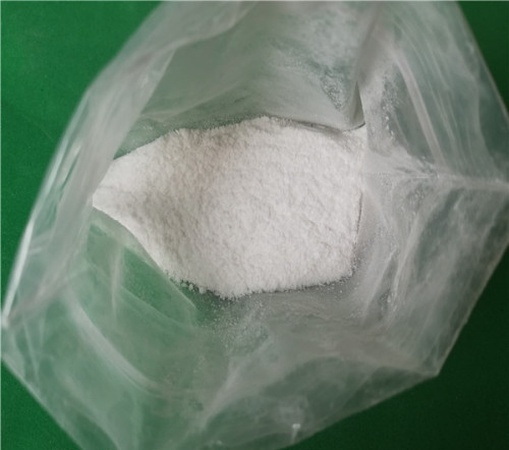
Lidocaine powder is the raw pharmaceutical form of lidocaine hydrochloride, a local anesthetic agent used to temporarily block nerve signals in the body. This powder must be processed and compounded with appropriate solvents and preservatives to create a sterile injectable solution suitable for administration. Lidocaine acts by blocking sodium channels on nerve cells, preventing pain signal transmission.
Chinese factories, such as ours at supplybenzocaine.co.uk, supply high-quality lidocaine powder and also offer OEM services to produce finished lidocaine injectable products for foreign brand owners and distributors. Our powder exceeds 99% purity standards, meeting strict pharmaceutical quality control requirements. The quality of lidocaine powder is critical because impurities or inconsistent particle size can affect both the safety and efficacy of the final injectable product.
The transformation from lidocaine powder to injectable solution involves several key steps to ensure efficacy and sterility:
It begins with the measurement and preparation of sterile water and saline solutions. Sterile water for injection serves as the solvent, while sodium chloride is added in precise amounts to maintain isotonicity. This ensures the injection does not cause cellular damage or irritation to tissues. Preparing these solutions in a contamination-free environment is paramount.
Lidocaine powder is gradually introduced into the saline or sterile water solution. The dissolution process must be slow and controlled to prevent clumping and to ensure uniform mixing. The mixture is stirred continuously using pharmaceutical-grade mixers designed to guarantee complete dissolution. The stirring process typically lasts several minutes with intermittent checking to confirm that no undissolved powder remains.
Next, the solution undergoes a series of filtration steps to remove any particulate matter and to sterilize the solution. This involves passing the mixture through multiple filters, often starting with a 0.45 micron filter followed by a finer 0.2 micron filter. Some processes may also incorporate titanium filtration to remove trace metals or impurities. This filtration is conducted under sterile conditions to maintain the solution's aseptic integrity.
Finally, the sterile lidocaine solution is filled into pre-sterilized ampoules, vials, or cartridges using automated sterile filling machines. The containers are then sealed using heat or crimping methods to prevent contamination. Post-filling inspections are vital to detect any leakage, foreign particles, or sealing defects. The final product is labeled and prepared for storage under controlled conditions until distribution.
Proper injection technique is crucial to maximize anesthetic effect and minimize patient discomfort.
- Intradermal Injection: Administered just beneath the skin surface, often used for allergy tests or local anesthesia to the skin itself.
- Subcutaneous Injection: Delivered into the fat layer beneath the skin, suitable for slower absorption and longer duration of anesthesia.
- Nerve Block: Injected around specific nerves or nerve clusters for regional anesthesia, providing numbness to larger areas of the body for surgeries or pain control.
Selecting the right needle and syringe combination is essential. Fine gauge needles, typically between 25 and 30 gauge, are recommended to reduce pain and tissue trauma. Syringes should be sterile, single-use, and properly calibrated to measure exact injection volumes. For convenience and sterility, pre-filled cartridges or syringes containing lidocaine injections are also available.

1. Preparation: Begin by cleaning the injection site thoroughly with an antiseptic such as isopropyl alcohol or chlorhexidine. This step prevents infections. Check and expel air bubbles from the syringe before administration to ensure accurate dosage and prevent air embolism.
2. Injection Approach: Hold the needle bevel facing up for ease of insertion. For intradermal injections, insert the needle at a shallow angle (approximately 10-15 degrees) just beneath the skin. For subcutaneous injections, insert the needle at about 45 degrees, while for nerve blocks, the needle may be inserted deeper and sometimes guided by ultrasound for accuracy.
3. Administer Slowly: Inject the lidocaine solution slowly, allowing the anesthetic to disperse gradually. Rapid injections can cause patient discomfort, tissue damage, or formation of lumps. Slow injection also improves diffusion through the tissue.
4. Monitoring: Always aspirate by gently pulling back on the syringe plunger before injecting the lidocaine. If blood appears, it indicates intravascular placement, and the needle must be repositioned to avoid direct injection into blood vessels. After injection, observe the patient for any adverse reactions such as pain, swelling, or allergic responses.
A wheal is a raised, blister-like area created by an intradermal injection of lidocaine. This technique is often used in dermatologic procedures or minor surgeries where localized numbness is needed. The formation of a wheal indicates correct intradermal injection, as the anesthetic disperses within the epidermal layers.
When working with lidocaine powder and its injectable form, safety is a prime concern:
- Allergy Assessment: Confirm patient history of allergies to amide local anesthetics, which includes lidocaine, to avoid hypersensitivity or anaphylactic reactions.
- Avoid Intravascular Injection: Always aspirate to ensure the needle is not in a blood vessel. Injection into the bloodstream can cause systemic toxicity affecting the brain and heart.
- Dosage Limits: Use the minimal effective dose. The maximum recommended dose for lidocaine without epinephrine typically is 4.5 mg/kg, but this can vary based on patient health and procedure type. Excessive doses may lead to central nervous system symptoms such as dizziness, seizures, and cardiovascular complications.
- Emergency Preparedness: Healthcare providers should have resuscitation equipment and medications, like epinephrine and oxygen, immediately available to manage allergic reactions or toxicity.
- Patient Monitoring: Continuously monitor vital signs, and watch for signs of adverse effects, including numbness spreading beyond the target site, vision changes, or irregular heartbeat.
- Special Patient Considerations: Adjust doses carefully for children, elderly patients, pregnant women, and those with liver or heart impairment, as their metabolism and clearance of lidocaine may be altered.
Beyond the technical steps, understanding regulatory compliance and quality assurance is vital. Pharmaceutical manufacturers must adhere to Good Manufacturing Practices (GMP) to ensure that each batch of lidocaine injection meets safety, purity, and potency standards. Additionally, clinical practitioners should always follow established guidelines from regulatory authorities such as the FDA or EMA when preparing and administering lidocaine injections.
In the clinical environment, training healthcare personnel in proper injection techniques and emergency management improves patient outcomes. Innovations in delivery systems such as buffered lidocaine, which reduces injection pain, and the use of ultrasound-guided nerve blocks have enhanced the efficacy and safety of lidocaine anesthesia.
Injecting lidocaine prepared from powder requires precise pharmaceutical preparation and skilled injection techniques to ensure patient safety and effective anesthesia. The process involves careful dissolution, sterilization, and filling under stringent quality controls to produce a safe injectable product. Proper clinical administration, combined with thorough patient evaluation and safety precautions, maximizes the anesthetic benefit and minimizes risks. As a trusted manufacturer and OEM provider in China, we ensure top-quality lidocaine powder and injectable products that meet global standards. Whether you are a brand owner, wholesaler, or producer, partnering with us guarantees high-quality, reliable supply backed by technical expertise and strong regulatory compliance.
Contact us today to learn more about our lidocaine powder and injectable solutions, and how we can customize OEM services tailored to your needs. Together, we can help you provide safe, effective products to healthcare professionals and patients worldwide.
Generally, a fine needle of 25 to 30 gauge is best for minimizing pain and tissue damage during lidocaine injection. Thinner needles are less painful but may slow the injection rate.
Lidocaine usually starts to numb the area within 1 to 3 minutes of injection. The onset depends on the site and depth of injection.
No, lidocaine powder must be specially compounded with sterile solutions, purified, and tested before injection. Direct injection of the powder is unsafe and ineffective.
Risks include allergic reactions, toxicity from overdose, nerve or tissue damage if improperly injected, and systemic effects if injected intravascularly.
They should be stored in sterile, sealed containers at recommended temperatures, typically between 15°C and 25°C, and protected from light to maintain potency and prevent contamination.
[1] https://pmc.ncbi.nlm.nih.gov/articles/PMC3433813/
[2] https://www.youtube.com/watch?v=rtnJKiAUkTM
[3] https://patents.google.com/patent/CN105663035A/en
[4] https://www.syntegon.com/news/huons-expands-lidocaine-production-with-cartridge-line-from-syntegon/
[5] https://www.pfizermedicalinformation.com/lidocaine/warnings
[6] https://www.drugs.com/pro/lidocaine-intradermal-injection.html
[7] https://www.youtube.com/watch?v=HUMV0i_zWl0
[8] https://www.pccarx.com/Blog/2-tips-for-compounding-with-lidocaine-and-lidocaine-hcl
[9] https://www.sonwuapi.com/api-powder/99-lidocaine-powder.html
[10] https://www.pfizermedical.com/patient/lidocaine-hydrochloride/warnings
[11] https://www.youtube.com/watch?v=xLEKTIVt2QY
[12] https://www.ambu.com/bronchoscopybook/video-installing-lidocaine-in-the-icu-patient
[13] https://jpdb.nihs.go.jp/jp14e/14data/Part-I/Lidocaine.pdf
[14] https://www.made-in-china.com/products-search/hot-china-products/Lidocaine_Powder.html
[15] https://www.ncbi.nlm.nih.gov/books/NBK539881/
[16] https://www.youtube.com/watch?v=vuzqIsWFn3o
[17] https://www.youtube.com/watch?v=Uxav0kAWU14
[18] https://www.droracle.ai/articles/149215/how-much-lidocaine-to-give-with-rocephin-im
[19] https://www.indiamart.com/proddetail/factory-supply-99-lidocaine-hydrochloride-hcl-powder-cas-73-78-9-with-good-price-for-pain-relief-2850329989555.html
[20] https://www.mayoclinic.org/drugs-supplements/lidocaine-injection-route/description/drg-20452273