Content Menu
● Introduction to Boric Acid Flakes
● Applications of Boric Acid Flakes
● Raw Materials and Safety Considerations
● The Manufacturing Process (Step-by-Step)
>> Chemical Reaction Principle
>> Step 1: Preparation and Mixing
>> Step 2: Initiate Chemical Reaction
>> Step 3: Cooling and Crystallization
>> Step 4: Filtration and Washing
>> Step 5: Purification (Optional)
● Equipment Used in Manufacturing
● Quality Control and Purity Standards
● Environmental and Sustainability Considerations
● Frequently Asked Questions (FAQ)
>> 1. How do you control the flake size of boric acid during production?
>> 2. What is the difference between boric acid flakes and powder?
>> 3. Can boric acid flakes be produced without advanced equipment?
>> 4. Are boric acid flakes safe for medical and food use?
>> 5. How should boric acid flakes be stored to prevent caking?
Boric acid flakes are an essential raw material for multiple industries, including pharmaceutical manufacturing, glass and ceramics, flame retardants, and insecticides. As an OEM manufacturer in the biotechnology and medical device sector, understanding the process of producing high-quality boric acid flakes can set your brand apart in global markets. This comprehensive guide will walk you through the entire process, from sourcing raw materials to the drying, flaking, and packaging phases, and provide best practices for quality and safety.
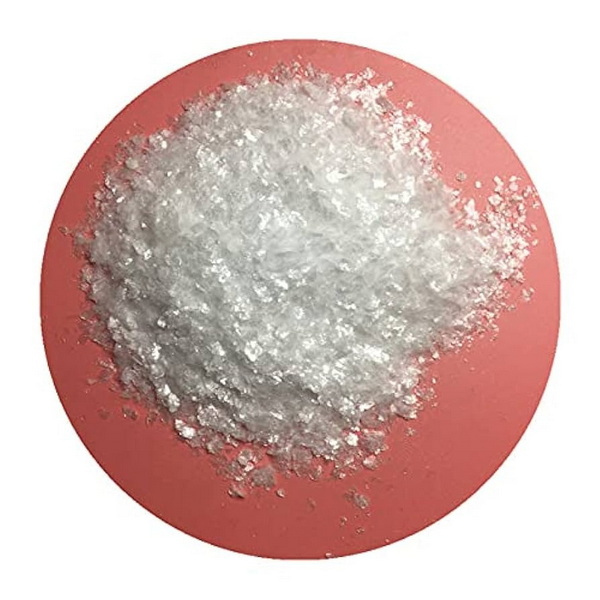
Boric acid (H₃BO₃) is a weak acid of boron, typically found as a white, crystalline solid or, more relevant to industry, in “flake” form. Flakes are preferred for certain manufacturing processes because they are easy to handle and dissolve consistently. The flakes are produced through controlled crystallization and flaking, ensuring high purity and suitability for sensitive applications.
The physical characteristics of boric acid flakes, such as their laminar structure, contribute to their advantages over powders. Flakes tend to dissolve more predictably in solutions, provide better dosing accuracy, and reduce dust during handling, making them popular in pharmaceutical and chemical industries.
Boric acid flakes serve a broad range of uses across multiple industries:
- Pharmaceuticals: Used as an antiseptic, preservative, and pH buffer. Their antimicrobial properties make them valuable as ingredients in ointments, eyewashes, and antiseptic products.
- Medical Devices & Healthcare: Boric acid flakes are incorporated in formulations for wound care and personal hygiene products due to their low toxicity and effective antimicrobial function.
- Industrial Manufacturing: Boric acid is essential in producing glass and ceramics, improving heat resistance and clarity. It is also used as a flame retardant, wood preservative, and is an ingredient in soldering powders.
- Agricultural & Pest Control: The flakes act as an insecticide, controlling pests like ants, cockroaches, and termites without harsh chemical residues.
- Cosmetics: Incorporated into skin care products, powders, and lotions for their absorbent, antiseptic, and pH-balancing properties.
These diverse uses demand that OEM manufacturers supply boric acid flakes that meet high purity and quality standards to satisfy varied customer requirements.
- Borax (Sodium Tetraborate Decahydrate, Na₂B₄O₇·10H₂O): The primary raw material, typically obtained from mineral sources or recycled from industrial processes.
- Mineral Acid: Usually Hydrochloric Acid (HCl) or Sulfuric Acid (H₂SO₄) is used to convert borax into boric acid.
- Water: Deionized or distilled water is preferred to avoid contamination and impurities.
- Optional Additives: Substances such as calcium chloride or hydrogen peroxide can be added to refine impurity removal and crystallization efficiency.
Handling raw materials requires strict safety protocols. Mineral acids are corrosive and hazardous, while borax can cause irritation if inhaled or in contact with skin. Protective equipment such as gloves, goggles, lab coats, and adequate ventilation in the facility are mandatory to ensure worker safety.
The production of boric acid flakes revolves around a key chemical reaction and a series of carefully controlled physical processes.
The fundamental chemical conversion is:
Na₂B₄O₇·10H₂O + 2HCl → 4H₃BO₃ + 2NaCl + 5H₂O
Borax reacts with hydrochloric acid (or sulfuric acid) to produce boric acid (H₃BO₃) as a precipitate along with soluble sodium chloride and water.
- Dissolving Borax: Accurately weigh borax and dissolve it in a measured volume of pure water. Heat the solution gently to aid dissolution while stirring continuously. Maintaining a temperature around 90-95°C can help fully dissolve borax.
- Acid Dilution: Separately dilute mineral acid with water to prevent excessive heat generation and to control the reaction rate when mixed.
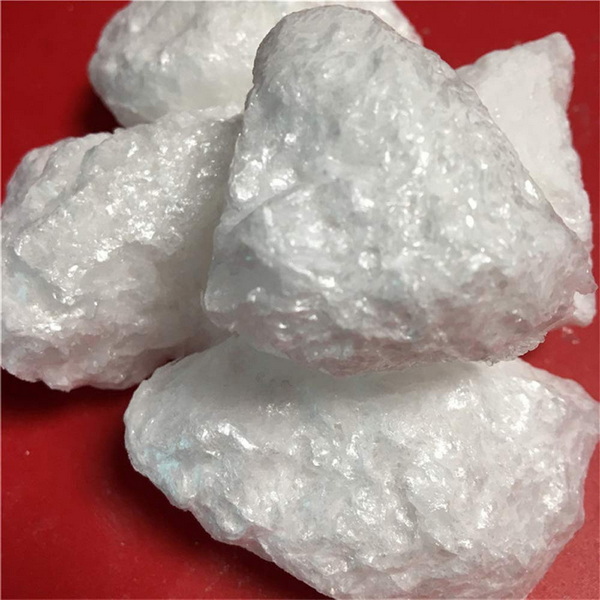
- Slowly add the diluted acid into the hot borax solution while stirring continuously. The reaction immediately begins, leading to the formation of white, crystalline boric acid precipitate within the solution.
- The addition rate is critical; too fast can cause incomplete conversion or localized excess acid, while too slow may extend production time.
- After the acid is fully added, allow the suspension to cool gradually in a controlled environment. Cooling induces boric acid to crystallize out of the solution, forming larger, more uniform crystals.
- Controlled cooling over 4–6 hours encourages the formation of flakes with optimal thickness and purity.
- Use filtration methods, such as vacuum filtration or centrifugation, to separate the crystalline boric acid from the remaining solution.
- Wash the collected crystals with cold water several times to remove residual sodium chloride and other impurities. Washing should be gentle to avoid damaging the delicate flakes.
- For higher-purity boric acid flakes, recrystallization is performed by re-dissolving the filtered crystals in hot water and cooling again. This step helps eliminate trace impurities.
- In some cases, additives like hydrogen peroxide can assist in purifying and bleaching the product for specialized applications.
- Spread the wet boric acid crystals evenly over trays or drying belts.
- Drying is conducted at controlled temperatures typically between 50°C and 100°C. Drying too quickly or at very high temperatures can cause the crystals to decompose or lose their flake structure.
- Drying continues until moisture content drops below 1%, ensuring stability and preventing caking during storage.
- Once dried, the boric acid crystals exhibit a natural cleavage plane that enables them to split into flakes.
- Mechanical methods, such as gentle grinding or roller flaking machines, are employed to obtain uniform flake thickness and size.
- Several passes through vibrating screens or sieves ensure that the flakes meet consistent size specifications expected by OEM customers.
- The final boric acid flakes are packed in moisture-proof and airtight bags or containers.
- Packaging options vary from small retail packs to bulk bags suitable for industrial customers.
- Proper packaging is vital for maintaining product quality by preventing exposure to humidity and contaminants.
The equipment used for producing boric acid flakes varies from simple laboratory apparatus for small batches to fully automated systems at industrial scales. Essential equipment includes:
- Reactor vessels: Typically glass-lined or stainless steel reactors capable of controlled heating and stirring.
- Filtration units: Vacuum filters or filter presses to efficiently separate solid crystals.
- Drying systems: Tray dryers, rotary dryers, or microwave dryers allow controlled moisture removal.
- Flaking and screening machines: Designs depend on production scale; vibratory screens and gentle grinders help produce flakes with controlled size distribution.
- Packaging lines: Automated bagging and sealing machines help maintain hygiene and product integrity.
Maintaining high quality of the boric acid flakes is critical to meet the stringent requirements of OEM partners, especially for pharmaceutical and food applications.
- Purity Testing: Analytical methods such as titration, infrared spectroscopy (IR), or X-ray diffraction (XRD) verify chemical composition and crystalline structure.
- Moisture Content: A target below 1% is standard to ensure shelf life and prevent caking.
- Particle Size Analysis: Consistent flake size improves handling and dissolution rates.
- Heavy Metal and Impurity Screening: Tests must confirm low levels of toxic metals to comply with pharmaceutical-grade or food-grade standards.
Manufacturers often adhere to standards such as GB/T 537-2009 in China or equivalent international certifications to guarantee product quality for export.
In contemporary chemical production, environmental aspects are gaining importance. Boric acid manufacturing must manage:
- Wastewater Treatment: Effluents containing residual sodium salts and unreacted chemicals require neutralization and treatment before disposal.
- Energy Efficiency: Employing energy-efficient heating and drying technologies reduces carbon footprint and operating costs.
- Raw Material Sourcing: Procuring borax from sustainable sources and optimizing reagent use minimizes environmental impact.
- Waste Minimization: Efficient crystallization and recovery processes help reduce chemical waste and maximize yield.
OEM factories focusing on sustainability often attract brand customers committed to green supply chains.
By mastering the production of high-quality boric acid flakes, your factory can strategically position itself as a reliable OEM supplier for global brands in pharmaceuticals, medical devices, agriculture, and advanced manufacturing sectors. The manufacturing process—from raw material selection through controlled reaction, crystallization, drying, flaking, and packaging—requires precise control and adherence to safety and quality standards. Delivering stable, pure, and well-packaged boric acid flakes strengthens your brand's supply chain credibility, broadens export potential, and opens doors to long-term partnerships.
Ready to access premium boric acid flakes for your global market needs? Contact our specialist team today to discuss your OEM, wholesale, or partnership requirements! Let's build your supply chain advantage together.
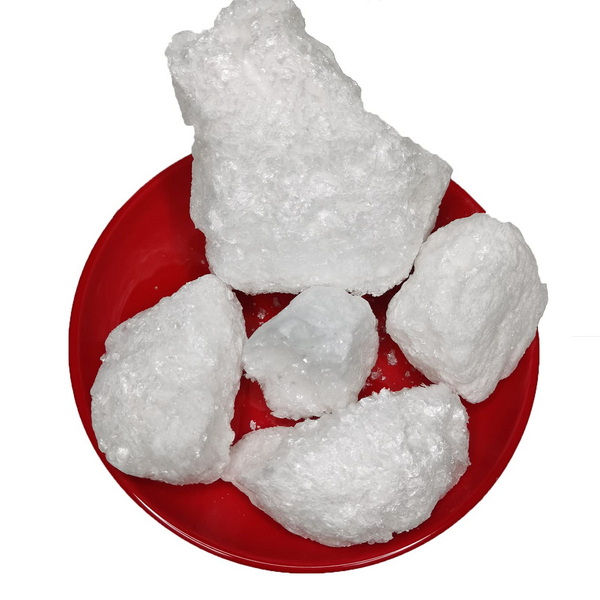
Flake size control involves regulating drying conditions and mechanical flaking processes. Using vibrating screens and gentle grinding ensures flakes meet consistent thickness and size requirements tailored to OEM or pharmaceutical standards.
Boric acid flakes have a laminar crystalline structure, leading to better handling and more predictable dissolution compared to powder, which may cake or clump. Flakes reduce dust formation and improve dosing accuracy in sensitive applications.
Small quantities can be made in laboratories with glassware, heating plates, filtering apparatus, and drying ovens. However, for scalable production with consistent quality and compliance, automated reactors, dryers, and screening equipment are preferred.
Only flakes meeting stringent purity criteria and heavy metal limits—classified as pharmaceutical or food grade—are safe for such uses. Industrial grade boric acid may contain impurities making it unsuitable for ingestion or medical applications.
Store in airtight, moisture-proof containers in a dry and temperature-stable environment. Avoid exposure to humidity and temperature fluctuations. Proper packaging and handling reduce compaction and maintain product flowability.