Content Menu
● Chemical Properties and Safety
● Major Uses of Boric Acid Flakes
>> Pest Control and Insecticide
>> Medical and Health Applications
>> Industrial and Manufacturing Applications
>> Household and Cleaning Uses
>> Wood Preservation and Construction
>> 1. Can boric acid flakes be used for personal hygiene or medical treatments?
>> 2. How effective are boric acid flakes for pest control?
>> 3. Is boric acid safe for plants and gardening?
>> 4. Are boric acid flakes suitable for industrial cleaning?
>> 5. What precautions should be taken when handling boric acid flakes?
Boric acid flakes are a versatile chemical with a long history of use in many industries, homes, and medical fields. Known for their pure, odorless, and colorless form, boric acid flakes are indispensable in pest control, medical treatments, industrial manufacturing, agriculture, personal care, and cleaning. This article comprehensively explores the various uses of boric acid flakes, providing detailed explanations to help you understand their applications and benefits. We'll conclude with a call-to-action and valuable FAQs to support your curiosity and business decisions.
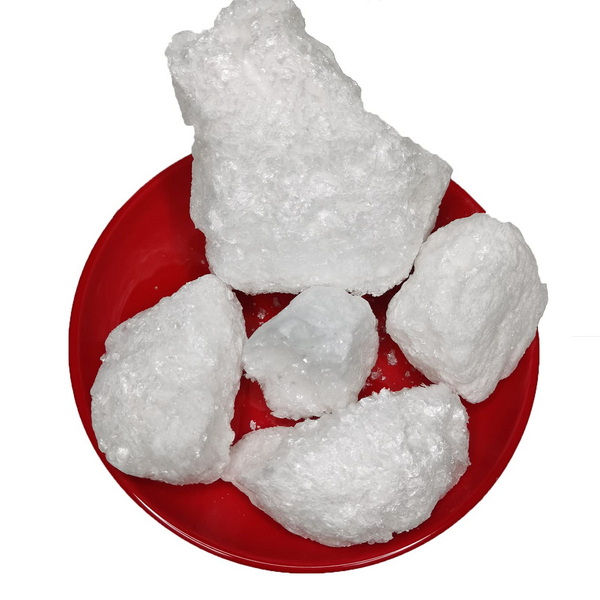
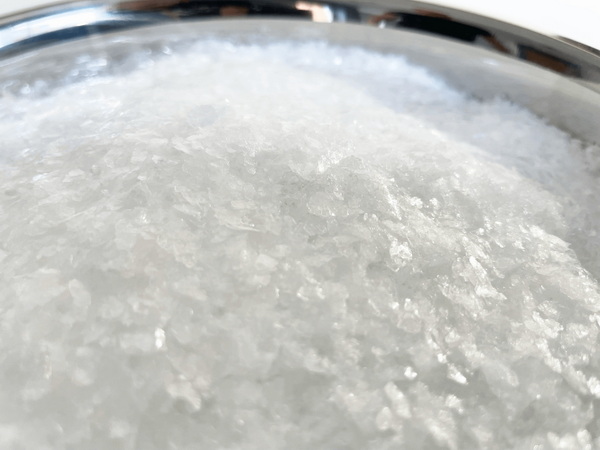
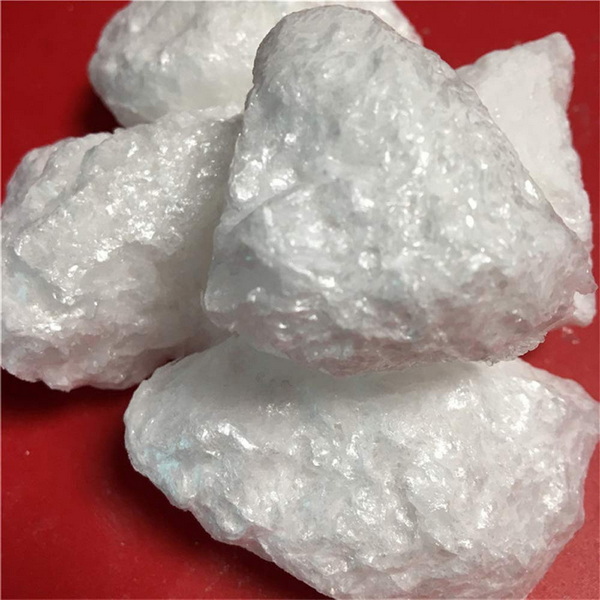
Boric acid (H₃BO₃) is a white crystalline substance available in powder or flakes form. The flakes offer convenience in handling and dosing across different industries. With a high purity often reaching 99.9%, boric acid flakes ensure effective performance whether for cleaning, pest control, or medical use. Their fine texture and stable form make them easy to store and transport, which is why many manufacturers prefer flakes over powder for industrial purposes.
Boric acid is naturally occurring, derived from minerals and volcanic activity, and can also be synthetically produced. This chemical's wide availability and multifunctional properties make it a staple in many industrial, household, and medical applications.
Boric acid flakes have several important properties which contribute to their versatility:
- Odorless and Colorless: These properties make boric acid ideal for uses that require a non-intrusive chemical, especially in medical and household products.
- Low Solubility: Boric acid dissolves slowly in cold water but more readily in hot water, allowing it to be used in formulations requiring controlled release.
- Mild Antiseptic Properties: Boric acid has antibacterial and antifungal effects, which are why it is employed in wound care and skin treatments.
- Flame-Retardant Qualities: Boric acid is used in manufacturing materials that need fire resistance, such as furniture and insulation.
- Safe Handling Practices: While boric acid is generally low in toxicity, it should never be ingested. Protective gloves and masks are recommended during handling to avoid dust inhalation or prolonged skin contact.
- Environmental Friendliness: Compared to many synthetic chemicals, boric acid is biodegradable and has low environmental impact, making it preferable in sustainable practices.
Boric acid flakes are world-renowned for their effectiveness as an insecticide. They target several common household and agricultural pests:
- Cockroaches: Boric acid disrupts the digestive system of cockroaches, causing dehydration and death.
- Ants: When boric acid is mixed with a sweet bait, it attracts ants and acts as a slow-acting insecticide within the colony.
- Termites: Boric acid is often used in wood treatments to deter termite infestations.
- Fleas and Silverfish: Sprinkling boric acid in pet bedding or under carpets helps control these pests.
- Fire Ants: It disrupts their biological processes and contributes to colony decline.
The mechanism behind boric acid's insecticidal activity lies in its abrasive texture and toxicity to the exoskeleton and digestive tract of insects. It is particularly favored in integrated pest management due to its low toxicity to humans and pets when used properly.
Boric acid flakes also have several medical uses, particularly due to their antiseptic and antifungal properties:
- Topical Antiseptic: Diluted boric acid solutions are used on minor burns, cuts, and abrasions to reduce infection risk.
- Eye Care: Sometimes used in very dilute solutions for minor eye infections or irritations, but only under medical advice.
- Vaginal Health: Boric acid vaginal suppositories are effective in treating recurrent yeast infections and bacterial vaginosis, particularly when resistance to antifungal treatments occurs.
- Skin and Foot Care: Boric acid helps reduce foot odor, excessive sweating, and treats athlete's foot.
- Ear Infections: Some formulations include boric acid in treatments for “swimmer's ear” in humans and pets because of its antibacterial effects.
It's critical to note medical boric acid use should be supervised by healthcare professionals, and boric acid should never be ingested or used on deep wounds.
Boric acid flakes are critical in several industrial manufacturing fields:
- Glass and Ceramics: Used in producing fiberglass and specialized glass like LCD displays. Boric acid enhances chemical resistance and thermal stability.
- Enamels and Pottery: It functions as a flux lowering the melting point of raw materials and improving durability.
- Fire Retardants: Added to insulation materials, mattresses, and furniture to improve fire resistance.
- Metalworking: Boric acid acts as a flux during welding and brazing, helping to clean metal surfaces and improve bonding.
- Leather Treatment: It is used to prepare and treat leather, minimizing microbial growth and improving material quality.
Boric acid serves as an essential micronutrient in agriculture:
- Plant Nutrition: Boron, derived from boric acid, is crucial for cell wall formation, seed and fruit development, and overall plant growth.
- Soil Amendment: Boric acid corrects boron deficiencies in soil, increasing crop yields and quality.
- Pest Management: Its low toxicity and pest control properties make it useful in organic farming practices, addressing pests without harming beneficial insects when correctly applied.
Boric acid flakes play an important role in household maintenance:
- Cleaning Agent: They remove stains, disinfect surfaces, clean kitchens and bathrooms, and deodorize garbage bins.
- Laundry: Acts as a water softener and stain remover, boosting detergents' effectiveness.
- pH Regulation in Pools and Spas: Stabilizes pH balance, helping to reduce chlorine consumption and inhibit bacterial and algae growth.
- Odor Control: Effective at neutralizing unpleasant odors in refrigerators, carpets, and pet areas.
In construction, boric acid is widely used to protect wood:
- Insect and Fungal Protection: It prevents termite damage, fungal decay, and rot caused by moisture.
- Preservative: Extends the life and structural integrity of timber used in buildings, furniture, and outdoor structures.
- Environmental Safety: Unlike many chemical preservatives, boric acid is eco-friendly and non-toxic to humans in treated wood applications.
Boric acid flakes have specialized uses in scientific laboratories:
- Sample Preservation: Extends the stability of biological and chemical samples, such as urine.
- Buffering Agent: Maintains pH in chemical reactions.
- Catalyst and Reagent: Participates in various chemical syntheses and analytical procedures.
- Teaching Demonstrations: Boric acid's unique properties aid in chemistry education and flame tests.
Beyond its main applications, boric acid flakes have interesting other roles:
- Lubrication: Mixed with oils, it forms a smooth lubricant for both metal and ceramic parts in machinery.
- Flame Colorants: Produces a green flame during combustion, commonly used in educational and demonstration experiments.
- Jewelry Manufacturing: Utilized in certain polishing and cleaning processes to prevent oxidation and damage.
While boric acid flakes are widely used and considered safe when handled properly, some precautions should be observed:
- Avoid ingestion of boric acid or boric acid-containing solutions.
- Do not inhale boric acid dust; use masks if necessary during handling.
- Prevent direct contact with eyes; wear safety goggles if dust exposure is possible.
- Use gloves to avoid prolonged skin contact.
- Keep boric acid away from children and pets.
- Follow application guidelines carefully, especially for medical and pest control uses.
- Seek professional advice for medical treatment involving boric acid.
Boric acid flakes are a powerful, eco-friendly, and versatile compound that provides effective solutions across multiple industries including pest control, industrial manufacturing, agriculture, cleaning, and healthcare. Their broad utility is paired with ease of use and safety, making them essential for professionals and households alike. Whether you are a brand owner, wholesaler, or manufacturer seeking reliable boric acid flakes or custom OEM services, our factory delivers unmatched quality and support.
Ready to enhance your operations or resell premium boric acid flakes? Contact us now for competitive pricing, bulk orders, and bespoke solutions tailored to your business needs!
Yes, boric acid flakes can be prepared into solutions for topical antiseptic use, vaginal suppositories for yeast infections and bacterial vaginosis, and for treating athlete's foot. Always follow medical advice and avoid use in children or as eye washes except under professional supervision.
They are highly effective against cockroaches, ants, termites, fleas, silverfish, and many household pests. Boric acid's long-lasting action, low toxicity, and eco-friendliness make it a preferred choice compared with many synthetic insecticides.
Yes, boric acid is an important micronutrient for plants and is used to correct boron deficiency in the soil. When used according to agricultural guidelines, it is safe and beneficial for plant health and crop yield.
Absolutely. Boric acid flakes are excellent for stain removal, deodorizing, cleaning laundry, kitchens, bathrooms, and maintaining pools and spas. Its mild antiseptic properties also inhibit microbial growth.
Wear gloves, avoid inhaling dust, keep away from food and children, never ingest or apply to deep wounds or mucous membranes, and store in a dry, secure place.