Content Menu
● Overview of Procaine Hydrochloride
● Raw Materials and Chemical Precursors
● Step-by-Step Synthesis Process
>> 1. Conversion of 4-Aminobenzoic Acid to Acid Chloride
>> 2. Esterification Reaction with 2-(Diethylamino)ethanol
>> 3. Formation of Procaine Hydrochloride Salt
>> 4. Purification and Crystallization
● Quality Control and Analytical Testing
● Safety and Environmental Considerations
● Experience in Pharmaceutical Manufacturing
● Benefits of OEM Manufacturing from Specialized Chinese Factories
● Frequently Asked Questions (FAQ)
>> 1. What are the primary raw materials for procaine hydrochloride production?
>> 2. How is product purity ensured during manufacturing?
>> 3. Why convert procaine to its hydrochloride salt?
>> 4. What safety protocols are essential in procaine hydrochloride production?
>> 5. Can an OEM factory customize procaine hydrochloride products?
Procaine hydrochloride is a synthetic local anesthetic widely used in medical and dental procedures due to its efficacy in numbing targeted areas. Initially developed as a safer alternative to cocaine, procaine hydrochloride is preferred for its lower toxicity and relatively short duration of action, making it suitable for various clinical applications. For manufacturers and OEM service providers in the biotechnology, pharmaceutical, and medical devices industries, a comprehensive understanding of the synthesis process is crucial for producing high-quality procaine hydrochloride that meets international standards.
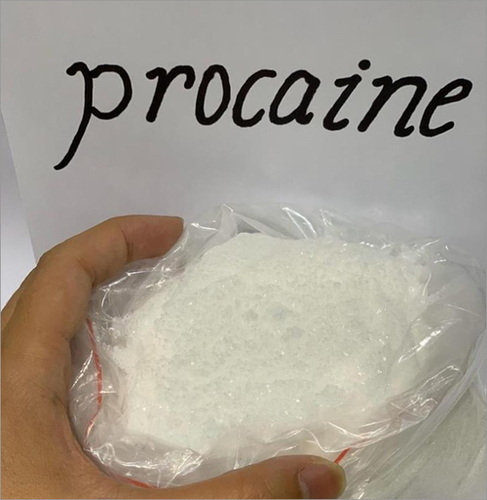
Procaine hydrochloride, chemically named 2-(diethylamino)ethyl 4-aminobenzoate hydrochloride, functions as an ester-type local anesthetic. It acts by blocking sodium ion channels on nerve membranes, preventing the transmission of nerve impulses that signal pain. Due to these properties, it's often used in minor surgical procedures, dental work, and regional anesthesia.
The synthesis of procaine hydrochloride relies primarily on two key chemical substances:
- 4-Aminobenzoic acid (PABA): The aromatic acid that forms the base structure.
- 2-(Diethylamino)ethanol: Provides the aminoethyl ester side chain critical for anesthetic activity.
The purity and quality of these raw materials are paramount. Pharmaceutical-grade reagents should comply with pharmacopeial standards to ensure the final product is safe and effective. Rigorous quality checks are necessary for raw materials before commencement of synthesis.
The production of procaine hydrochloride generally follows these critical stages:
The initial step involves transforming 4-aminobenzoic acid into its acid chloride using thionyl chloride (SOCl2). This reaction is conducted under anhydrous conditions with temperature control to avoid degradation or side reactions. This acid chloride is an essential reactive intermediate that facilitates the subsequent esterification.
The acid chloride intermediate reacts with 2-(diethylamino)ethanol in the presence of a base (such as pyridine or triethylamine) that neutralizes the hydrochloric acid produced during reaction. This step forms the intermediate procaine base, an ester compound.
Temperature and reaction time are strictly controlled during this phase to maximize yield and minimize impurities. The reaction mixture is stirred continuously, generally at temperatures between 0°C and 10°C to maintain product stability.
The free base procaine obtained in the prior step is treated with hydrochloric acid to form procaine hydrochloride, the salt form commonly used in medical formulations due to better water solubility and stability.
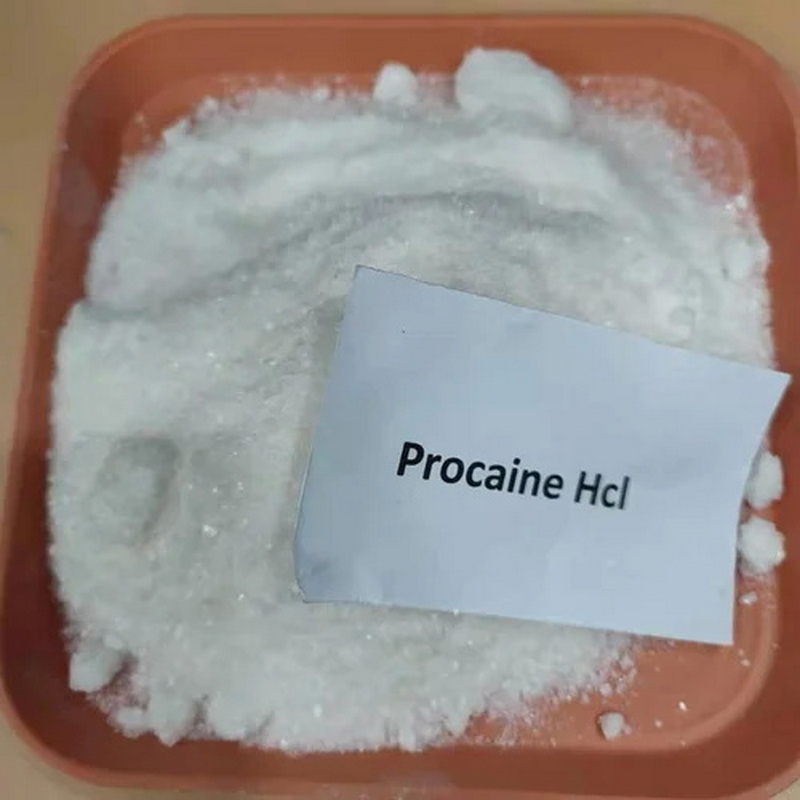
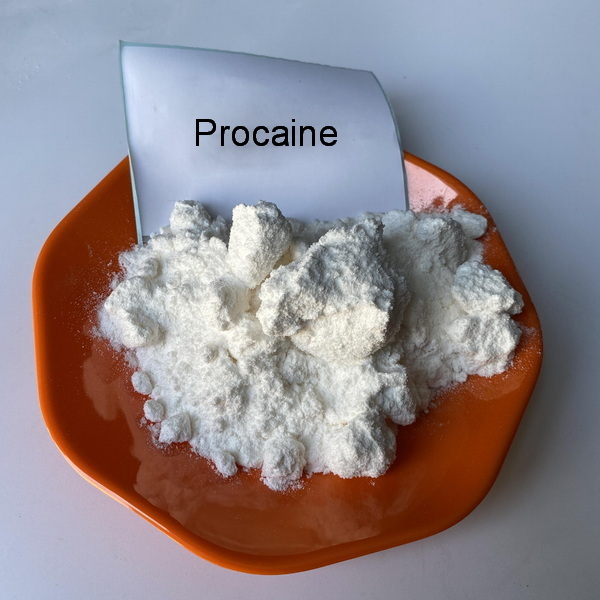
The reaction is usually performed by adding anhydrous HCl gas or a hydrochloric acid solution to the procaine base dissolved in a suitable solvent such as ethanol. The procaine hydrochloride precipitates as fine, white crystalline powder.
Impurities formed during synthesis are removed via recrystallization. The crude procaine hydrochloride is dissolved in an appropriate mixture of solvents like ethanol or water and then cooled slowly to induce crystal formation. The crystals are filtered, washed to remove residual solvents and impurities, and dried under vacuum or mild heat.
Pharmaceutical manufacturing demands stringent quality controls to ensure the drug's safety, potency, and efficacy. Testing focuses on:
- Purity: Verified through high-performance liquid chromatography (HPLC), ultraviolet (UV) spectrophotometry, or titrimetric analysis to ensure no harmful impurities remain.
- Assay of Active Ingredient: Quantitative analysis confirming the exact concentration of procaine hydrochloride.
- Residual Solvents: Testing for traces of organic solvents used during synthesis to ensure they are within safe limits.
- Particle Size Distribution: Important for injectables, influencing dissolution rate and bioavailability.
- Microbiological Testing: Ensures sterility of the final product if intended for injection.
Adherence to pharmacopeial standards such as USP, BP, and EP is essential in validating the quality.
The chemicals used, particularly thionyl chloride and hydrochloric acid, are hazardous and require strict precautions. Manufacturing facilities must employ:
- Proper personal protective equipment (PPE) like gloves, goggles, and lab coats.
- Well-ventilated environments or fume hoods to prevent inhalation of toxic gases.
- Appropriate waste treatment for chemical disposal following environmental laws to minimize ecological impact.
Pharmaceutical production necessitates skilled professionals with comprehensive GMP (Good Manufacturing Practices) knowledge and relevant experience. Typically:
- An educational background in pharmacy, chemistry, or related fields.
- At least 2-3 years of experience in pharmaceutical API (Active Pharmaceutical Ingredient) synthesis or quality control.
- Expertise in equipment operation and regulatory compliance.
- Training in safety and quality assurance protocols.
This experience ensures consistent output of high-quality, safe pharmaceutical products.
Choosing a professional OEM partner in China for manufacturing procaine hydrochloride offers numerous advantages:
- Deployment of advanced synthesis technology and well-equipped quality control laboratories.
- Compliance with multiple international regulatory frameworks (FDA, EMA, etc.).
- High production capacity coupled with cost-efficiency.
- Customization of product grades and packaging tailored to customer needs.
- Strong technical support and after-sales service.
Producing procaine hydrochloride involves a series of precisely controlled chemical reactions and purification processes to deliver a safe and effective local anesthetic. From transforming raw materials into an ester intermediate to salt formation and crystallization, every step is key to meeting international pharmaceutical quality standards. Expertise in GMP-compliant pharmaceutical manufacturing is crucial, and partnering with experienced OEM factories in China offers global brands reliable, high-quality production solutions.
For international wholesalers, medical brands, and pharmaceutical companies seeking trustworthy manufacturing partners, our factory brings profound knowledge, advanced technology, and dedication to quality. Contact us today to discuss how we can meet your procaine hydrochloride and pharmaceutical API needs.
The synthesis starts with 4-aminobenzoic acid and 2-(diethylamino)ethanol, which are converted via acid chloride intermediates into procaine and then converted to its hydrochloride salt.
Through recrystallization and rigorous quality testing methods such as HPLC and spectrophotometry that conform to USP, BP, and EP guidelines.
The hydrochloride form significantly improves aqueous solubility and stability required for injectable formulations.
Use of PPE, ventilation, careful handling of hazardous reagents like thionyl chloride, and compliance with environmental waste management practices.
Yes, capable OEM factories tailor purity, grade, and packaging specifications to diverse client and regulatory requirements.
[1](https://patents.google.com/patent/CN103524367A/en)
[2](https://www.nbinno.com/article/active-pharmaceutical-ingredients-apis/procaine-hydrochloride-synthesis-a-look-into-chemical-production-and-quality-assurance)
[3](https://www.innopharmaeducation.com/blog/what-is-pharmaceutical-manufacturing-why-is-it-important)
[4](https://www.ppbhk.org.hk/eng/files/Guidance_on_QET_eng.pdf)
[5](http://www.pshk.hk/uploads/files/Manufacturing%20Pharmacist%20(HR_JD023_V2).pdf)
[6](https://www.healthbureau.gov.hk/download/press_and_publications/otherinfo/100105_pharm_review/en_chapter3.pdf)
Hot tags: Procaine Hydrochloride Synthesis, How to Prepare Procaine, Procaine Hydrochloride Recipe, Procaine Production Process, Chemical Synthesis of Procaine, Procaine Hydrochloride Manufacturing, Procaine Hydrochloride Injection Preparation, Organic Chemistry Procaine, Procaine Hydrochloride Chemical Reaction, Procaine Hydrochloride Lab Procedure