Content Menu
● Understanding Procaine Penicillin Injection
● Necessary Tools and Preparation Before Mixing
● Step-by-Step Process to Mix Procaine Penicillin Injection
>> Step 1: Prepare Your Workspace and Materials
>> Step 2: Disinfect Vial Tops
>> Step 3: Draw Solvent Into Syringe
>> Step 4: Reconstitute Powder with Solvent
>> Step 5: Gently Mix the Solution
>> Step 6: Check for Complete Dissolution
>> Step 7: Prepare for Injection
● Storage and Handling After Mixing
● Best Practices and Safety Tips
● Understanding Injection Techniques
● Common Questions and Concerns About Mixing and Using Procaine Penicillin
>> 1. How long does it take for the powder to dissolve completely?
>> 2. What if the solution is cloudy or has clumps after mixing?
>> 3. Can I substitute the solvent with sterile water if I don't have the recommended diluent?
>> 4. Is it safe to store the reconstituted solution for later use?
>> 5. What gauge needle is recommended for injection and preparation?
Procaine Penicillin Injection is a commonly used antibiotic in clinical and veterinary medicine, designed to treat a range of bacterial infections effectively. As a combination of penicillin G and procaine, it offers both antibacterial action and local anesthesia, reducing discomfort during injection. For professionals new to injectable drug preparation, understanding the correct mixing and handling procedure is essential to ensure the medicine's efficacy and patient safety. This comprehensive guide will walk you through the entire mixing process, preparation standards, and essential precautions, targeting beginners and those involved in manufacturing or healthcare.
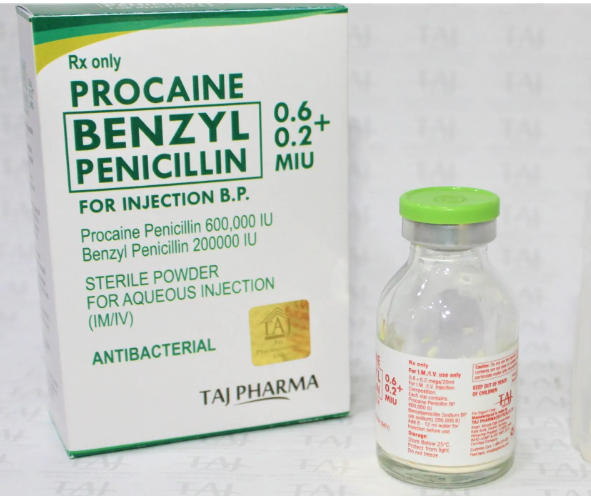
Procaine Penicillin Injection combines penicillin G, a potent antibiotic, with procaine, a mild anesthetic. This drug fights bacterial infections such as syphilis, streptococcal infections, and other susceptible bacterial diseases. Usually supplied as a sterile powder, it requires reconstitution with a supplied solvent—typically sterile water or a bicarbonate solution—before administration. Proper mixing is crucial because it affects the suspension's homogeneity, stability, and therapeutic efficacy.
Before you begin, it's imperative to gather all required materials and maintain a sterile environment to prevent contamination:
- The Procaine Penicillin powder vial
- Sterile solvent vial (usually water for injection or manufacturer-recommended diluent)
- Sterile syringe (typically 3 mL or 5 mL capacity) with a 22-25 gauge needle
- Alcohol swabs or wipes
- Sterile gloves to maintain aseptic technique
- A clean, disinfected work area free of dust and distractions
- Sharps disposal container for used needles and syringes
Preparation also includes verifying the drug vial's expiration date and visually inspecting both powder and solvent vials for any signs of damage or impurities.
Maintain a clean working environment and perform hand hygiene thoroughly. Wearing sterile gloves is essential to maintaining aseptic conditions. Gather all equipment on a disinfected surface. Double-check the vial labels for the correct medication and expiration date.
Use an alcohol wipe to thoroughly clean the rubber stoppers of both the powder and solvent vials. This step prevents bacterial contamination when puncturing the vial with needles.
Attach a sterile needle to your syringe. According to the instructions supplied by the manufacturer or pharmacist, withdraw the appropriate volume of solvent. Usually, this is around 1-2 mL for a single dose, but always confirm dosage instructions for the specific preparation.
Insert the needle into the powder vial's rubber stopper. Slowly inject the solvent to avoid creating foam, which can affect the suspension quality. Introducing solvent slowly allows the powder to absorb liquid effectively and minimizes air bubbles.
Hold the vial horizontally and rotate or gently roll it between your palms until the powder fully dissolves. Avoid shaking, as vigorous agitation creates foam and air bubbles that interfere with the solution's stability.
Inspect the vial against a light source. The final suspension should be uniformly milky-white with no visible lumps or powder particles. If undissolved particles remain, continue gentle mixing or consult manufacturer guidelines.
Once dissolved, carefully withdraw the prescribed volume from the vial into the syringe for administration. Avoid drawing air bubbles and ensure the syringe is capped with a sterile needle immediately to maintain sterility.
Procaine Penicillin Injection should ideally be used immediately after reconstitution to maintain potency and reduce infection risks. If immediate use is not possible, follow manufacturer instructions regarding storage conditions—usually refrigerated and monitored for no more than 24 hours. Any solutions with visible sedimentation or discoloration must be discarded.
- Always use freshly prepared injections; avoid old or stored mixtures.
- Never mix Procaine Penicillin with other drugs or solvents unless specified.
- Use only sterile needles and syringes. Using equipment more than once increases contamination risks.
- Dispose of needles and syringes responsibly in sharps containers.
- Administer the injection deep into muscle tissue (commonly the upper outer quadrant of the gluteal muscle) using appropriate needle length and gauge.
- Avoid injecting into blood vessels or subcutaneous tissue by aspirating prior to injection.
- Monitor patients for allergic reactions or side effects during and after injection.
Intramuscular injection of Procaine Penicillin requires skill and knowledge of anatomical landmarks for both efficacy and patient comfort. Use a needle length between 1 to 1.5 inches for adults and adjust the gauge based on muscle mass and injection volume. The deltoid or gluteal muscles serve as common injection sites, though gluteal sites are preferred due to their large muscle mass.
Proper injection technique involves:
- Cleaning the injection site with an alcohol swab.
- Stretching or pinching the skin to create a firm muscle surface.
- Inserting the needle at a 90-degree angle.
- Aspirating the syringe to check for blood (to avoid intravascular injection).
- Injecting the medication slowly and steadily.
- Removing the needle swiftly and applying gentle pressure with a sterile cotton ball.
Mixing Procaine Penicillin Injection correctly is vital for therapeutic success and patient safety. Through careful preparation, using sterile tools, and following the recommended mixing steps, even beginners can reliably prepare this injectable antibiotic. This process ensures not only the effectiveness of the drug but also minimizes risks of irritation and infection.
For manufacturers and healthcare providers offering OEM services or clinical care, educating staff and end-users about proper mixing techniques and injection protocols enhances outcomes and builds client trust. If you are seeking a trusted partner to supply high-quality Procaine Penicillin Injection with comprehensive OEM support, contact us. Our professional team specializes in biotechnology and pharmaceutical OEM manufacturing, ensuring strict quality control and international compliance.
Generally, the powder dissolves within 1 to 2 minutes of gentle swirling. Avoid shaking to prevent foam formation.
A cloudy or clumped suspension may indicate incomplete dissolution or contamination. Do not use it. Prepare a fresh dose or consult a pharmacist.
Use only the manufacturer-supplied or recommended solvents. Substitutions without proper approval can degrade the drug or cause adverse effects.
Biologically, it is best to administer immediately after mixing. If storage is necessary, refrigeration and strict adherence to time limits (usually under 24 hours) are critical.
A 22-25 gauge needle is ideal for mixing purposes. For administration, a slightly larger needle (21-22 gauge) typically provides better penetration for intramuscular injections.
Hot tags: Procaine Penicillin Mixing Instructions, How to Prepare Procaine Penicillin, Procaine Penicillin Injection Guide, Mixing Procaine Penicillin Safely, Procaine Penicillin Dosage Instructions, Procaine Penicillin Injection Techniques, Procaine Penicillin Preparation Steps, Safe Mixing of Procaine Penicillin, Procaine Penicillin Injection Tips, Procaine Penicillin Administration Methods