Content Menu
● Understanding Procaine Penicillin
● Raw Materials and Quality Considerations
● Equipment and Facility Requirements
● The Step-by-Step Preparation Process
>> 1. Preparation of Excipients Solution
>> 2. Dissolving Procaine and Stabilizers
>> 3. Aseptic Combination of Procaine Solution
>> 4. Preparation and Sterilization of Penicillin G Solution
>> 5. Mixing and Reaction Completion
>> 7. High-Pressure Homogenization
>> 8. Holding and Quality Assurance
>> 9. Aseptic Filling and Sealing
>> 10. Storage and Distribution
● Critical Quality Control Measures
● FAQ
>> 1. What is the primary use of Procaine Penicillin?
>> 2. Why is maintaining the correct pH important during preparation?
>> 3. What role do preservatives play in Procaine Penicillin formulation?
>> 4. Why is homogenization required during manufacturing?
>> 5. How is sterility ensured throughout the manufacturing process?
Procaine Penicillin is a widely used injectable antibiotic formulation that combines penicillin G with procaine hydrochloride, a local anesthetic. This combination enhances the efficacy of penicillin by prolonging its release and reducing injection site pain. As a key pharmaceutical product in the treatment of bacterial infections, the preparation of Procaine Penicillin requires precise processes with stringent quality control to ensure safety, sterility, and therapeutic effectiveness.
This article provides a detailed, step-by-step guide for those new to pharmaceutical synthesis on how to prepare Procaine Penicillin. It covers raw materials, critical process parameters, equipment requirements, and essential procedural steps to produce a high-quality injectable suspension suitable for global OEM pharmaceutical manufacturing.
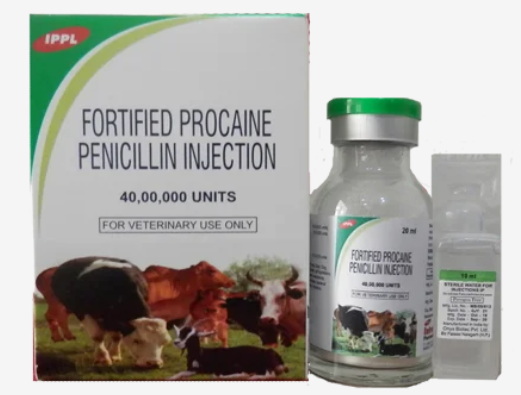
Procaine Penicillin is essentially a salt formed by the chemical reaction between penicillin G and procaine hydrochloride. Penicillin G (benzylpenicillin) is a beta-lactam antibiotic effective against a broad range of Gram-positive and some Gram-negative bacteria. However, penicillin G is fast-acting and eliminated rapidly in the body, requiring frequent dosing. By combining it with procaine, which acts as a local anesthetic and slows the release from the injection site, the antibiotic effect is extended, enhancing patient compliance and therapeutic outcomes.
The quality of Procaine Penicillin depends heavily on the purity and quality of its starting materials. The primary active ingredients include:
- Penicillin G Potassium: Active antibiotic component; must meet pharmacopeia standards for purity, potency, and microbial safety.
- Procaine Hydrochloride: Local anesthetic that forms penicillin G procaine salt; pharmaceutical grade required.
- Water for Injection (WFI): Purified and sterile water used as a solvent.
- Excipients: To stabilize, preserve, and suspend the active ingredients, the following are commonly used:
- Methylparaben and Propylparaben (preservatives to inhibit microbial growth)
- Povidone C-30 (suspending agent ensuring uniform distribution of particles)
- Lecithin (emulsifier improving suspension stability)
- Sodium Carboxymethylcellulose (thickener providing suitable viscosity)
- Sodium Citrate and Sodium Formaldehyde Sulfoxylate (stabilizers preventing degradation)
Strict pharmacopeial specifications apply to each raw material for identity, assay, microbial limits, and endotoxin levels to assure product safety and efficacy.
Producing Procaine Penicillin must be conducted in a sterile pharmaceutical manufacturing environment with controlled air quality (e.g., ISO Class 7 or better). The essential equipment includes:
- Mixing Tanks: Stainless steel, jacketed tanks with heating/cooling capabilities and sterile filtration lines.
- Homogenizer: High-pressure homogenizers (e.g., APV Gaulin G55) to micronize particles.
- Sterile Filtration Setups: 0.2-micron membrane filters for sterilizing solutions.
- Aseptic Filling Line: Automatic filling and capping machines in cleanroom conditions.
- Temperature and pH Control Instruments: To monitor and maintain critical process parameters.
- Nitrogen Pressurization System: To avoid oxidation and contamination during mixing and processing.
In a jacketed stainless steel mixing tank, dissolve methylparaben, propylparaben, povidone C-30, lecithin, and sodium carboxymethylcellulose in water for injection. Heat the solution to around 60°C to aid dissolution. Monitor and adjust the pH in the range of 5.3 to 6.8 using appropriate buffers or acid/base additions. Sterilize this solution by heating to 122-124°C (high-temperature short-time method) for approximately 15 minutes, then cool the solution to about 25°C to maintain optimal conditions for subsequent reactions.
In a separate tank, dissolve procaine hydrochloride along with sodium citrate and sodium formaldehyde sulfoxylate in water for injection. These components facilitate the reaction with penicillin G and help stabilize the suspension.
Transfer the procaine solution into the excipient tank through sterile 0.2-micron membrane filters under aseptic conditions to prevent contamination.
Separately, penicillin G potassium is dissolved in water for injection. This solution is sterilized by passing through a 0.2-micron membrane filter to ensure sterility and then added aseptically into the tank containing the procaine and excipient mixture. Here, a chemical reaction occurs forming penicillin G procaine.
The combined suspension is mixed continuously for at least one hour, enabling the penicillin G and procaine hydrochloride to form the procaine penicillin salt uniformly. This period also ensures that preservatives and excipients are well incorporated.
Adjust the volume of the suspension with additional water for injection to meet final product specifications.
The suspension is processed through a high-pressure homogenizer operating between 6000 to 10000 psi. This step micronizes the particles, ensuring uniform size distribution. Particle size control is critical for injectability, bioavailability, and minimizing irritation upon administration.
The homogenized suspension may be held under nitrogen atmosphere for up to 24 hours before filling to stabilize the product. During this phase, thorough quality control tests are conducted including potency, sterility, particulate matter, pH, and suspension uniformity assessments.
Using an aseptic filling line in class 100 or better cleanroom conditions, the suspension is filled into sterile vials or ampoules. Containers are then sealed with sterile stoppers and crimped or capped immediately to maintain sterility.
Finished products are stored under refrigerated conditions (2-8°C) to maintain stability until distribution.
- Sterility Testing: Essential to confirm absence of microbial contamination.
- Assay of Penicillin Content: Measured by HPLC or microbiological assay to ensure correct antibiotic potency.
- Endotoxin Testing: Ensures absence of pyrogens that could cause adverse reactions.
- Particle Size Distribution: Verified using laser diffraction or microscopy.
- pH Measurement: Maintained within specifications for stability and patient safety.
- Visual Inspection: To confirm uniform suspension without visible contaminants or aggregates.
These controls align with international pharmacopeia (USP, EP) standards to comply with regulatory requirements for injectable pharmaceutical products.
The preparation of Procaine Penicillin injectable suspension is a complex pharmaceutical manufacturing process requiring stringent control at every step, from raw material selection through to aseptic filling. Proper pH adjustment, sterile filtration, controlled mixing, and high-pressure homogenization are crucial to producing a stable, effective, and safe antibiotic suspension that meets regulatory standards. For companies engaged in OEM pharmaceutical manufacturing, mastering these steps is essential to delivering high-quality Procaine Penicillin products for global markets. For inquiries about turnkey production solutions or partnerships, please contact us to discuss how we can meet your specific needs.
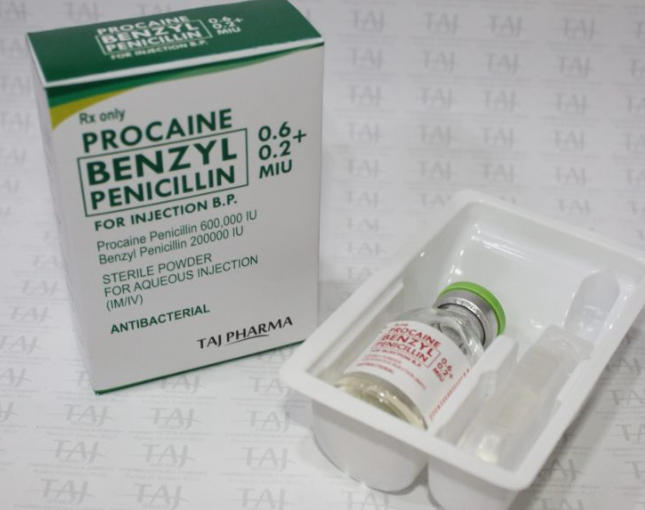
Procaine Penicillin is predominantly used to treat various bacterial infections through intramuscular injection, providing prolonged antibiotic action due to its slow release.
Maintaining a pH range of 5.3 to 6.8 is vital to ensure the chemical stability of Procaine Penicillin, optimize the reaction between penicillin G and procaine, and maintain product efficacy.
Preservatives like methylparaben and propylparaben inhibit microbial contamination, prolonging shelf life, and ensuring the product remains safe for injection over time.
High-pressure homogenization reduces particle size and ensures uniform suspension, enhancing injectability and consistent dosing while minimizing irritation at the injection site.
Sterility is maintained by using sterile filtration membranes (0.2-micron filters), aseptic processing equipment, sterile cleanroom environments, and nitrogen pressurization to avoid contamination.
Hot tags: Procaine Penicillin Preparation, How to Mix Procaine Penicillin, Procaine Penicillin Dosage Instructions, Procaine Penicillin Injection Guide, Preparing Procaine Penicillin Safely, Procaine Penicillin Storage Tips, Procaine Penicillin Side Effects, Procaine Penicillin for Infections, Procaine Penicillin Usage in Medicine, Procaine Penicillin Mixing Techniques