Content Menu
● Why Convert Lidocaine Liquid to Powder?
● Chemical Principles Behind the Transformation
● Equipment and Materials Needed
● Detailed Step-by-Step Conversion Process
>> 2. Concentration and Solvent Removal
>> 3. Crystallization Induction
>> 4. Filtration of Lidocaine Crystals
>> 5. Drying the Lidocaine Powder
>> 6. Grinding and Sieving (If Necessary)
● Industrial Practices and OEM Services
● Applications of Lidocaine Powder
● Troubleshooting and Quality Control Tips
● Frequently Asked Questions (FAQ)
>> 1. What solvents are typically used for lidocaine crystallization?
>> 2. What is the difference between lidocaine base and lidocaine hydrochloride powder?
>> 3. How can I ensure the lidocaine powder is free from impurities?
>> 4. What safety regulations apply when converting lidocaine liquid to powder on an industrial scale?
>> 5. Can commercial lidocaine creams or gels be converted into powder?
Lidocaine is a widely used local anesthetic in medical, pharmaceutical, and cosmetic fields, available in several forms including liquid, gel, and powder. For manufacturing, research, compounding pharmacies, or bulk buyers, converting lidocaine liquid into a stable powder form is essential for transportation, long-term storage, and customized formulation. This comprehensive article explains the complete process of transforming lidocaine liquid into powder, including scientific principles, necessary equipment, detailed step-by-step procedures, safety considerations, industrial practices, applications, troubleshooting, quality control, and an FAQ section. At the end, you will also find a conclusion and a concise article summary.

Lidocaine, chemically known as 2-(diethylamino)-N-(2,6-dimethylphenyl)acetamide, is a local anesthetic and antiarrhythmic agent. The most common commercial form is lidocaine hydrochloride, a stable, white crystalline powder soluble in water and alcohols. Lidocaine works by blocking sodium channels in nerve cells, preventing the transmission of pain signals. This makes it a valuable compound in many clinical and commercial applications.
Using lidocaine in powder form provides advantages over liquid, especially in storage stability, ease in formulation, and transport.
Converting lidocaine liquid to powder form is beneficial for several key reasons:
- Long-Term Stability: Powders have a longer shelf life compared to liquids, as they are less prone to microbial contamination, chemical degradation, and moisture absorption.
- Customization: Powder form allows easier modification of drug concentration for specific applications. It enables custom blending with excipients, creating various formulations like creams, gels, or injectables.
- Transportation and Handling: Powders are easier and often more economical to ship, especially in bulk. They reduce the risk of spills and degradation during transit.
- Precision Dosing: Powders allow better control of dosage during pharmaceutical manufacturing and compounding, improving product consistency and efficacy.
The conversion process is essential for manufacturers, compounding pharmacies, and OEM partners to deliver high-purity lidocaine powder suited for different medical, veterinary, and cosmetic uses.
Converting lidocaine liquid to powder is primarily a purification and concentration procedure involving solvent removal, crystallization, and drying. Lidocaine is usually present as a salt dissolved in aqueous or alcoholic solutions. The goal is to remove solvents and impurities to obtain pure solid lidocaine in powder form.
- Solvent Evaporation: The first step is to remove the excess solvent (water and/or alcohol) from the liquid solution. This concentrates the lidocaine until it starts forming a semi-solid residue.
- Crystallization: By manipulating the temperature and adding specific non-solvents (like acetone or petroleum ether), lidocaine precipitates out as solid crystals. This takes advantage of its solubility characteristics.
- Filtration and Washing: Solid lidocaine crystals are separated from the remaining liquid through vacuum filtration. Further washing with cold non-solvents removes residual impurities and excipients.
- Drying: The wet crystals are dried under controlled temperature and vacuum conditions to eliminate residual moisture, yielding a free-flowing powder.
This sequence ensures that the resulting powder has high purity and consistent physicochemical properties.
The conversion process requires specific laboratory or industrial equipment:
- Fume Hood: Provides ventilation for safe handling of volatile solvents.
- Glassware: Beakers and borosilicate vessels for mixing and reacting.
- Vacuum Filtration Setup: Filter funnels, vacuum pumps, and filter media for solid-liquid separation.
- Rotary Evaporator or Hotplate: Facilitates efficient solvent removal at reduced pressure and temperature, protecting the active compound.
- Drying Oven or Vacuum Dryer: Removes residual moisture while maintaining powder stability.
- pH Meter: Useful for adjusting solution acidity to optimize lidocaine precipitation.
- Solvents: Distilled water, acetone, petroleum ether—used for washing, dissolving, and recrystallizing.
- Personal Protective Equipment (PPE): Gloves, lab coat, goggles for safe laboratory practice.
These tools and materials ensure that the conversion process is conducted effectively and safely.
Work in a well-ventilated fume hood and wear appropriate PPE including gloves, goggles, and a lab coat. Prepare all materials and equipment before starting the procedure. Ensure that the working area is clean and free from contaminants.
Begin by pouring the lidocaine liquid solution into a borosilicate beaker or the rotary evaporator flask. Use the rotary evaporator with appropriate temperature control (not exceeding 60°C) under reduced pressure to gently remove most of the solvent. If a rotary evaporator is unavailable, an oil bath or hotplate with gentle stirring under a fume hood can also be used.
Slowly evaporating solvent leaves behind a thick, viscous residue or semi-solid containing lidocaine and excipients.
Allow the residue to cool slightly to room temperature. Slowly add a non-solvent such as acetone or petroleum ether, which reduces lidocaine solubility and induces precipitation. Stir the mixture continuously for proper mixing.
For better crystallization, place the vessel in an ice bath to accelerate crystal formation. The formation of solid crystalline lidocaine indicates successful precipitation.
Using a vacuum filtration setup, filter the crystallized lidocaine from the liquid phase. Filter paper or a fritted funnel can be used depending on scale and equipment availability. Carefully wash the collected crystals with cold acetone or distilled water to remove residual impurities and excipients.
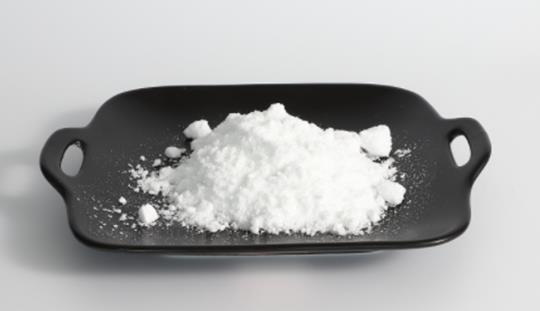
Transfer the wet crystals to a vacuum drying oven or a desiccator set at approximately 40°C. Dry until a consistent free-flowing white powder is obtained.
Avoid excessive heat to prevent degradation of lidocaine. The drying time will depend on the quantity but typically ranges from several hours to overnight.
If the dried powder forms lumps or aggregates, gently grind it using a clean mortar and pestle to achieve a uniform powder consistency.
Sieving through a fine mesh screen ensures particle size uniformity, which is crucial for pharmaceutical applications.
- Always use proper PPE including gloves, goggles, and lab coats.
- Conduct the process in a fume hood to avoid inhalation of solvent vapors.
- Handle flammable solvents such as acetone and petroleum ether cautiously to prevent fire hazards.
- Be familiar with and comply with legal regulations governing the handling and manufacturing of pharmaceutical ingredients.
- Clearly label all raw materials and finished products to prevent misuse or contamination.
- For commercial-scale production, ensuring compliance with GMP (Good Manufacturing Practice) and cleanroom standards is mandatory.
For global brand owners, wholesalers, or manufacturers seeking lidocaine powders, OEM factories provide full-service solutions that include:
- Sourcing pharmaceutical-grade raw materials with GMP certification.
- Tailored packaging options, from small sachets to large drums.
- Comprehensive quality control and product certification.
- Customized formulations to meet client-specific requirements.
- Fast, reliable international shipping with confidentiality.
- Regulatory compliance support for different markets.
Industrial operations usually deploy automated equipment such as continuous crystallizers, industrial dryers, and advanced filtration units to ensure consistent quality and scalable output.
Lidocaine powder is the key ingredient in various industries and applications, including:
- Pharmaceutical manufacturing: Tablets, injections, topical creams, ointments.
- Compounding pharmacies: Custom formulations that require precise lidocaine quantities.
- Cosmetics and tattoo industries: Numbing gels and creams.
- Veterinary products: Analgesic blends for animals.
- Bulk supply to OEM manufacturers: Supplying brands worldwide with custom lidocaine powder.
This versatility underscores the importance of reliable conversion techniques.
Common Issues:
- Incomplete crystallization: Check solvent ratios, temperature, and purity of starting solution.
- Impurities in final powder: Employ additional washing, recrystallization, or activated carbon treatment.
- Clumping powder: Ensure thorough drying; consider adding approved anti-caking agents if formulation permits.
- Low yield: Adjust evaporation and solvent addition steps to optimize recovery.
Quality Control Measures:
- Confirm chemical identity and purity using High-Performance Liquid Chromatography (HPLC) or Thin-Layer Chromatography (TLC).
- Test for residual solvents with Gas Chromatography (GC).
- Sterility tests are mandatory if the powder is used for injectable formulations.
- Particle size distribution is assessed for uniformity.
- Stability studies confirm long-term storage quality.
Maintaining rigorous quality control ensures safety and efficacy in final products.
Converting lidocaine liquid into powder form is a vital process that increases the compound's shelf life, facilitates transport, and allows customized pharmaceutical applications. The procedure involves solvent removal, crystallization, filtration, washing, and drying under controlled conditions to obtain high-purity lidocaine powder. This powder is versatile and critical in pharmaceutical manufacturing, compounding, and cosmetic applications.
Whether you are a manufacturer seeking OEM services, a brand owner developing formulations, or a researcher in need of pure powder, understanding and optimizing this conversion process is essential for product quality, safety, and market compliance.
Interested in high-quality lidocaine powder supply or OEM manufacturing solutions? Contact our expert team today for customized assistance, technical support, and competitive pricing! Elevate your product development with premium lidocaine powder tailored to your needs.

Non-solvents such as acetone or petroleum ether are commonly used because lidocaine has low solubility in these, promoting crystallization. Water and alcohols dissolve lidocaine well, so choosing an appropriate non-solvent is critical.
Lidocaine base is the free base form, less soluble in water, and often used in topical formulations. Lidocaine hydrochloride is the salt form, highly water-soluble, usually used for injections and aqueous formulations. The final powder type depends on the processing conditions and chemical form in the liquid starting material.
Careful washing of crystals with cold solvents, recrystallization, and purification treatments like activated carbon adsorption can help. Analytical methods like HPLC or TLC verify purity.
GMP standards are mandatory, including cleanroom conditions, sanitized equipment, accurate documentation, and trained personnel. Compliance with chemical handling laws and pharmaceutical regulations is critical.
Yes, but recovery is lower and more purification steps are required due to oils, waxes, and preservatives present in creams or gels. Using pharmaceutical liquids or raw lidocaine solutions yields better results.