Content Menu
● How Does Benzocaine Work for Toothache?
● Step-By-Step Guide to Using Benzocaine Powder for Toothache
● Potential Side Effects and Risks
● Comparisons of Benzocaine to Other Toothache Remedies
● Extended Tips for Benzocaine Use and Oral Care
● Frequently Asked Questions (FAQ)
>> 1. How much benzocaine powder should I use for a toothache?
>> 2. Can children use benzocaine powder for toothache?
>> 3. How long does the numbing effect last?
>> 4. Can I eat or drink after applying benzocaine powder?
>> 5. Is benzocaine powder a cure for toothache?
Dealing with a toothache can be one of the most excruciating and disruptive experiences in daily life. Whether you're at home late at night, away from the dentist, or simply need fast relief, benzocaine powder is a topical anesthetic that offers temporary solace from dental pain. In this comprehensive guide, you will learn everything about using benzocaine powder for toothache – including usage instructions, safety, best practices, how benzocaine works, comparisons with other remedies, potential side effects, and frequently asked questions. This guide is designed to equip you with detailed knowledge on how to safely and effectively use benzocaine powder to manage tooth pain while you seek professional dental care.

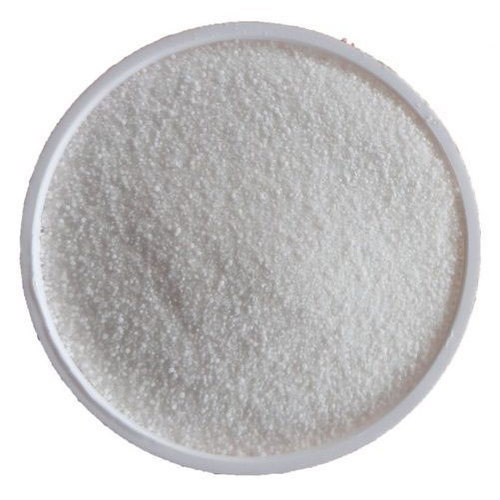
Benzocaine is a local anesthetic agent in the ester class, widely used for short-term pain relief in the mouth. It's a white, slightly powdery substance that can be applied directly to affected areas in the oral cavity. Benzocaine is often found in various over-the-counter dental products such as gels, sprays, ointments, and powders. It acts quickly by blocking nerve signals in the area where it is applied, numbing the mouth and providing rapid, temporary pain relief.
The powder form of benzocaine is particularly useful in customized applications where liquid gels might not be available or preferred. It can easily be mixed or applied directly to the sore area with minimal mess when done properly.
Common uses of benzocaine powder include relief from toothaches, painful gums, mouth sores, and discomfort caused by dental appliances such as braces or dentures.
Benzocaine works by blocking the transmission of pain signals along nerves in the area where it is applied. When applied to the gums or a painful tooth, it numbs the tissue by preventing nerves from sending pain signals to the brain. This numbing effect typically begins within a few minutes of application and lasts from 30 minutes up to an hour, depending on the dose and location.
However, it's important to understand that benzocaine is purely a symptom reliever — it does not treat the underlying cause of the toothache, such as infection, decay, or dental injury. It is best viewed as a temporary solution to help lower pain while waiting for professional dental evaluation and treatment.
Benzocaine is generally safe when used according to recommended instructions, but there are important precautions to bear in mind:
- Consult a dentist or healthcare provider before using benzocaine if you have other health conditions, allergies, or take medications.
- Benzocaine should not be used on children under 2 years old due to the risk of rare but serious side effects.
- Avoid prolonged use. Do not use benzocaine powder for more than 2 days consecutively unless directed by a healthcare professional.
- Use only small amounts. Overuse can increase the risk of side effects and toxicity.
- Watch for allergic reactions such as rash, swelling, itching, or breathing difficulties, and discontinue use immediately if they occur.
- Benzocaine may cause a rare but serious blood condition called methemoglobinemia, which reduces oxygen delivery in the blood. Seek emergency medical care immediately if symptoms such as pale or blue lips, shortness of breath, or dizziness appear.
- Always use a clean applicator and avoid contaminating the powder to maintain hygiene.
- Keep all benzocaine products out of the reach of children.
1. Prepare Your Mouth
Start by rinsing your mouth gently with warm water or a saline solution. This helps clean the area, removing any food particles or bacteria and reducing the chances of infection.
2. Dry the Affected Area
Use a clean cloth, gauze, or cotton swab to pat dry the tooth and nearby gum tissue. The powder will adhere better and work more effectively on dry surfaces.
3. Apply a Small Amount of Benzocaine Powder
Using a very small, pea-sized amount of benzocaine powder on a clean cotton swab or fingertip, gently apply it directly to the tooth or gum causing pain. Do not rub aggressively; just gently coat the area.
4. Wait for the Numbing Effect
Allow the powder to remain undisturbed for about 30 seconds to a minute. You should begin to feel the numbing sensation shortly. Avoid touching the area with your tongue or rinsing immediately after application.
5. Avoid Eating or Drinking
Do not eat, drink, or chew gum for at least an hour after applying benzocaine powder. This keeps the anesthetic localized and prevents swallowing the medicine, which could numb your throat or cause stomach upset.
6. Repeat if Necessary, But Limit Use
You may reapply benzocaine every 3 to 4 hours, but do not exceed four applications within 24 hours to minimize risk.
Even though benzocaine is widely used and safe when used properly, it may cause some side effects:
- Temporary burning, stinging, or irritation at the site of application.
- Allergic reactions such as redness, swelling, rash, or itching.
- In rare cases, benzocaine can cause methemoglobinemia, a serious condition where the blood's ability to carry oxygen is reduced, leading to symptoms like pale or blue skin, shortness of breath, fatigue, and dizziness.
- Swallowing larger quantities accidentally can numb the throat, causing choking or breathing difficulties.
Avoid self-medicating for prolonged periods and contact a healthcare professional if side effects occur or if pain persists despite treatment.

While benzocaine powder is a convenient and effective local anesthetic, other toothache remedies can serve as complementary or alternative options:
- Clove Oil: Contains eugenol, a natural anesthetic, providing mild temporary relief, though it can irritate sensitive gums.
- Over-the-Counter Painkillers (e.g., ibuprofen, acetaminophen): Work systemically to reduce pain and inflammation but take longer to act and may have systemic side effects.
- Cold Compresses: Help reduce swelling and numb external facial pain but don't treat internal tooth pain.
- Saltwater Rinses: Help clean the mouth and reduce bacteria but provide only mild, temporary relief.
Benzocaine stands out due to its rapid onset of localized numbing and usability in powder form for direct, targeted application.
- When applying benzocaine powder, use a clean cotton swab each time to avoid transferring bacteria to your mouth.
- If your toothache is caused by swelling or infection, applying cold compresses on the cheek may augment relief.
- Maintain oral hygiene by brushing and flossing gently to avoid further irritation.
- Drink plenty of water and avoid extremely hot, cold, or sugary foods that could worsen sensitivity.
- If possible, schedule a dental appointment immediately rather than relying solely on pain relief.
- When traveling or away from professional care, carry a small supply of benzocaine powder or gel for emergencies, but use it responsibly.
Benzocaine powder is a valuable and effective tool for managing acute toothache pain. It offers rapid, localized numbness that allows sufferers temporary reprieve from discomfort. When used responsibly and according to instructions, benzocaine provides safe relief, helping bridge the time until professional dental care is obtained. Always follow safety guidelines, use the minimal effective dose, and stay alert to any side effects or allergic reactions. Remember, benzocaine does not cure dental issues – it simply masks pain temporarily. Consulting with a dentist remains essential for diagnosis and treatment of any toothache cause.
If you're in need of high-purity benzocaine powder or custom OEM solutions for your brand or medical practice, we invite you to partner with us. As an experienced manufacturer in the biotechnology, pharmaceutical, and medical device sectors, we deliver premium quality products with rigorous testing and international standards compliance. Contact us today for consultations, quotations, and tailored supply solutions designed to meet your specific needs. Let us help you bring safe and effective benzocaine products to your customers worldwide.
Only a very small amount, about the size of a pea, should be applied to the affected area. Excessive application increases the risk of side effects and will not provide better pain relief.
Benzocaine is not recommended for children under 2 years old and should be used with caution in older children. Always consult a pediatrician or dentist before use.
The pain-relief effect typically lasts 30 to 60 minutes. If pain returns, a reapplication may be done cautiously, but do not exceed four times in one day.
Avoid eating or drinking for at least an hour after application to prevent swallowing the anesthetic and to maximize its numbing effect on the tooth and gums.
No, benzocaine powder only relieves the symptoms temporarily. You should always seek professional dental treatment to address the underlying cause.