Content Menu
● Safety Considerations Before Using Benzocaine Powder
● How to Use Benzocaine Powder: Detailed Guidelines
>> Preparing Benzocaine Powder for Use
>> Topical Application for Localized Pain Relief
>> Use in Oral and Dental Care
>> Medical and Professional Uses
● Handling, Storage, and Quality Assurance
● Frequently Asked Questions (FAQ)
>> 1. What concentration of benzocaine powder is generally used in products?
>> 2. Are there any groups of people who should avoid benzocaine?
>> 3. Can benzocaine powder be used directly on the skin or in the mouth?
>> 4. What side effects could benzocaine cause?
>> 5. How often is it safe to apply benzocaine products?
Benzocaine powder is a widely used local anesthetic known for its rapid and effective numbing properties. It finds application across many sectors, especially in pharmaceutical, healthcare, and dental industries, where localized pain relief is critical. As a raw material, benzocaine powder forms the basis for many topical and oral products, including creams, gels, ointments, lozenges, and sprays. These products are designed to relieve pain, itching, and discomfort caused by minor injuries, dental issues, or medical procedures.
For businesses involved in biotechnological development, medical device manufacturing, or pharmaceutical wholesale, understanding how to properly use benzocaine powder is essential for compliance, safety, and product efficacy. This article offers a thorough guide covering the preparation, safe use, and applications of benzocaine powder, as well as essential safety information and answers to common questions for manufacturers and end-users alike.
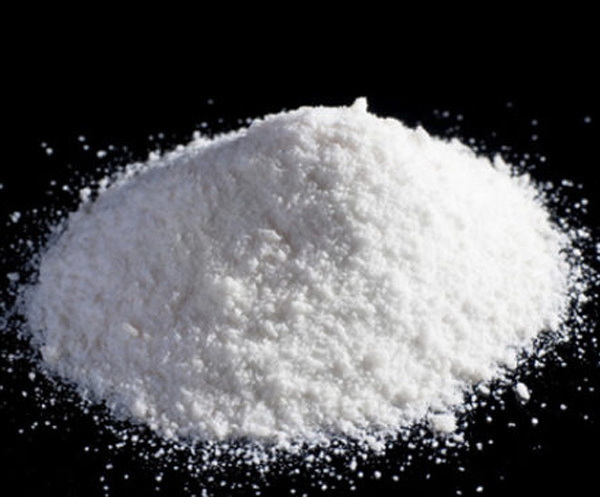
Benzocaine is a topical anesthetic belonging to the ester class of local anesthetics. In its powder form, it is an important raw material used for manufacturing various pharmaceutical formulations that provide temporary localized numbness and pain relief.
Its mechanism works by blocking sodium channels in nerve membranes, which prevents the transmission of pain signals from the affected area to the brain. This action makes it highly effective for minor surgical procedures, dental pain relief, and irritation caused by minor burns, insect bites, or sunburn.
In addition to medical use, benzocaine powder is also widely utilized in over-the-counter (OTC) products for mucosal pain, such as throat sprays and teething gels.
While benzocaine offers effective topical pain relief, it is crucial to understand and adhere to safety guidelines to avoid serious adverse effects:
- Not for Use in Infants Under 2 Years: Due to the risk of methemoglobinemia—a serious blood disorder that reduces oxygen delivery—benzocaine-containing products should not be used for teething pain or oral discomfort in infants and toddlers younger than two years.
- Avoid Large Area Application: Applying benzocaine extensively on large skin areas or on open wounds can increase systemic absorption, leading to toxicity.
- Allergy Alert: Individuals allergic to ester-type local anesthetics or benzoic acid derivatives should avoid using benzocaine.
- Limit Frequency and Dosage: Always use the minimum effective amount and frequency recommended on product labels or by healthcare professionals.
- Medical Supervision for Certain Uses: For medical procedures or patients with pre-existing health conditions, benzocaine use should be under professional supervision.
Following these precautions minimizes risks and enhances the safety and effectiveness of benzocaine-containing products.
Benzocaine in its raw powder form must be handled carefully and formulated properly before application or sale. This preparation typically involves:
1. Laboratory Safety and Handling: Use appropriate personal protective equipment such as gloves, masks, and eye protection when handling benzocaine powder. Ensure clean and sanitized weighing and mixing equipment to maintain pharmaceutical-grade standards.
2. Formulation Procedures: Benzocaine powder is usually mixed into bases like creams, gels, sprays, or lozenges. Concentrations typically range from 5% to 20% depending on the product's intended use.
3. Quality Control: Test and verify the uniformity and stability of the formulation to ensure consistent efficacy and safety for end-users.
By following standardized formulation protocols, manufacturers can deliver safe, effective, and compliant products that meet regulatory expectations.
Topical benzocaine products are widely used to relieve pain and itching on the skin caused by minor injuries, insect bites, sunburn, or minor surgical procedures. Here's how to safely use these products:
- Clean the affected area gently with soap and water, then pat dry.
- Apply a thin layer of benzocaine cream, gel, or ointment using a clean fingertip or applicator.
- Avoid applying the product on large body areas to minimize absorption.
- Limit applications to 3-4 times daily, following product instructions.
- Do not cover the area with tight bandages unless directed by a healthcare provider.
Avoid using benzocaine products on broken, blistered, or heavily damaged skin, as this can increase absorption and toxicity risk.
Benzocaine powder serves as an active ingredient in many oral and dental products designed to provide temporary pain relief for dental discomfort or sore throat conditions. The forms include gels, sprays, lozenges, and mouth rinses. Here's best practice for use:
- For gels or liquids, apply a small amount with a clean finger or cotton swab directly to the painful gum, mouth sore, or throat area.
- For sprays, spray a measured amount into the palm or onto an applicator before applying to the affected area, avoiding direct spraying into the mouth or face to prevent accidental inhalation.
- Lozenges should be dissolved slowly in the mouth; avoid chewing or swallowing whole.
- Limit frequency of application to prevent overexposure, especially in children over age five for lozenge products.
- Do not use oral benzocaine products on children under two years old.
Proper application ensures effective localized numbing while reducing risks of ingestion or irritation.
In clinical settings, benzocaine powder is formulated into sprays and gels for medical procedures such as endoscopies or minor surgical interventions that require temporary numbing of mucous membranes and skin surfaces.
These applications:
- Provide rapid onset anesthesia to minimize patient discomfort.
- Require healthcare professional administration due to possible serious side effects, including allergic responses and methemoglobinemia.
- Must adhere strictly to dosing guidelines and patient monitoring protocols.
Medical-use benzocaine products often demand higher purity standards, rigorous stability testing, and compliance with regulatory authorities for prescription drug formulations.
Proper storage and handling are essential to maintain the stability and safety of benzocaine powder:
- Store benzocaine powder and formulated products in a cool, dry place away from direct sunlight and moisture.
- Avoid storing near heat sources and keep in tightly sealed containers to prevent contamination.
- Keep out of reach of children to avoid accidental ingestion or misuse.
- Follow all material safety data sheet (MSDS) guidelines for handling and disposal.
Manufacturers and suppliers must also guarantee quality through routine testing for purity, potency, and microbiological safety before distribution.
Benzocaine powder is a critical raw ingredient for producing a variety of localized anesthetic products providing effective, rapid pain relief. Proper handling, formulation, and application are vital to ensuring safety and maximizing therapeutic benefits. Whether in topical creams, oral gels, or professional medical sprays, benzocaine remains a trusted agent in minor pain management.
For overseas brands, wholesalers, and manufacturers seeking a high-quality OEM supplier, our Chinese factory specializes in benzocaine powder supply and product development, committed to stringent quality and regulatory compliance. Contact us today to discuss customized solutions, receive technical guidance, or request samples, and let's work together to bring safe and effective benzocaine products to your markets.

Commonly, benzocaine concentrations vary from 5% to 20% depending on the product type and intended use. Topical creams and gels often contain 10–20%, while lozenges and sprays may have lower percentages for safety.
Yes, benzocaine is not recommended for infants under two years, people allergic to ester anesthetics, and those with certain blood conditions like methemoglobinemia. Pregnant and breastfeeding women should consult a healthcare provider before use.
No. Raw benzocaine powder must be formulated properly before application. Direct use of unformulated powder can lead to irritation, overdose, or toxic effects.
Side effects may include localized skin or mucosal irritation, allergic reactions such as swelling or rash, and in rare cases, methemoglobinemia, a severe blood condition that reduces oxygen delivery, requiring immediate medical attention.
Generally, benzocaine topical and oral products should not be used more than 3 to 4 times daily. Overuse increases risk of adverse effects. Always follow product labeling or medical advice.