Content Menu
● Medical and Cosmetic Uses of Benzocaine Powder
● How to Use Benzocaine Powder: Step-by-Step Guide
>> Step 1: Select the Right Formulation
>> Step 2: Prepare the Application Area
>> Step 3: Apply Benzocaine Product
>> Step 4: Observe Application Frequency
>> Step 5: Avoid Sensitive or Damaged Areas
>> Step 6: Monitor for Adverse Effects
● Safety Measures and Precautions
● Recommended Formulations and Concentrations
● FAQs
>> 1. What is benzocaine powder used for?
>> 2. Can benzocaine powder be used on children?
>> 3. How often can benzocaine powder products be applied?
>> 4. What are the side effects of benzocaine?
>> 5. Can benzocaine powder be applied to broken skin?
Benzocaine powder is a widely used topical local anesthetic known for its ability to temporarily numb pain and discomfort in various medical and dental applications. It is employed in treating conditions such as sore throats, mouth ulcers, insect bites, and minor skin irritations. For manufacturers and brands in the biotech, medical device, and pharmaceutical industries looking for OEM solutions, understanding the correct usage and safety protocols of benzocaine powder is essential for producing effective and safe products for the international market.
This article provides a comprehensive guide on how to use benzocaine powder, covering its applications, proper usage methods, safety considerations, and answers to frequently asked questions. In addition, recommended visual aids and videos are included to assist in understanding its use.
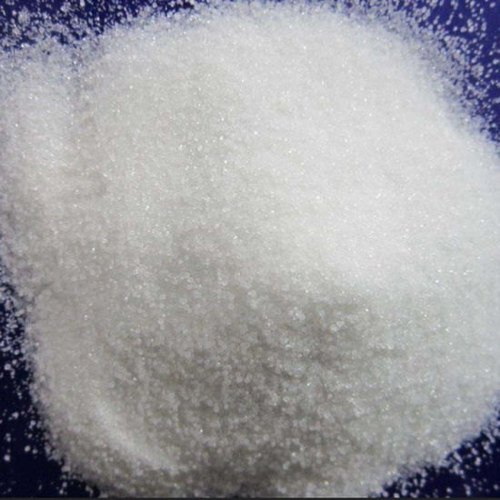
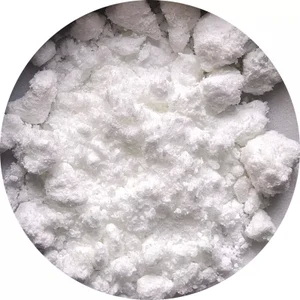
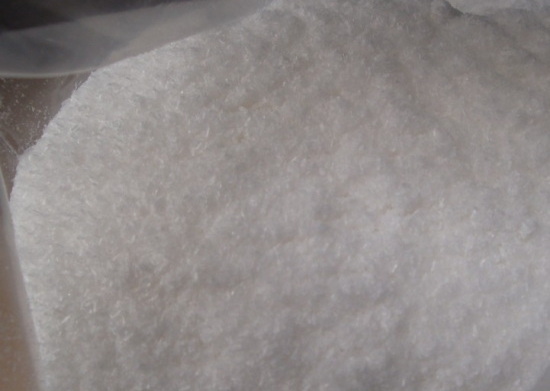
Benzocaine is an ester-type local anesthetic available in white powder or colorless crystal form. It is practically insoluble in water but dissolves well in ethanol, almond oil, and olive oil. Its primary function is to block nerve signals, reducing sensations of pain by numbing the area to which it is applied.
It is commonly formulated into gels, sprays, ointments, creams, patches, and lozenges for both topical and oral mucous membrane use. Through its numbing effect, it provides rapid relief from discomfort by desensitizing nerve endings in the skin or mucous membranes.
Chemically, benzocaine is part of the ester anesthetic family, distinguishing it from amide-type anesthetics such as lidocaine. This distinction is important for formulation and allergy considerations. Benzocaine has a moderate duration of action typically lasting from 15 minutes to an hour depending on the application.
Benzocaine powder sees extensive use in many different contexts, including:
- Oral and Pharyngeal Local Anesthesia: Benzocaine is a primary ingredient in many throat lozenges and sprays designed to alleviate pain from sore throats, mouth ulcers, canker sores, and dental pain. Its topical effect helps reduce irritation and discomfort while speech and eating.
- Skin Pain Relief: It is widely used for relieving pain from insect bites, sunburns, minor burns, skin abrasions, and other minor irritations. It helps soothe skin inflammation and provides a cooling anesthetic effect.
- Hemorrhoidal Treatment: Benzocaine creams and ointments help relieve the pain and itching associated with hemorrhoids and anal fissures. It works by numbing the targeted skin and reducing discomfort during bowel movements.
- Medical and Surgical Procedures: Benzocaine is used as a topical anesthetic in minor surgical procedures such as endoscopy, catheter insertions, and intubation. It numbs mucous membranes to minimize patient discomfort during medical exams.
- Sexual Health: Some topical products incorporate benzocaine to delay ejaculation and enhance sexual performance by reducing sensitivity.
- Dental Uses: Benzocaine is a popular option to relieve pain during orthodontic treatments, dental implants, and denture irritation. It is also used in some topical gels applied before dental procedures.
Its multifunctional uses make benzocaine an essential anesthetic in pharmaceutical formulations designed for both consumer and professional healthcare use.
Using benzocaine powder requires formulation into appropriate delivery forms, such as gels, creams, sprays, or lozenges. Directly using dry benzocaine powder on the skin or mucosa is not advised due to potential for irritation and uneven dosage.
Different applications require different benzocaine formulations:
- Use gels or creams for skin applications like insect bites and sunburn.
- Oral sprays and lozenges are best for throat and mouth pain relief.
- Specially designed medical sprays and gels are used for procedural anesthesia in clinical settings.
Ensuring the correct product type optimizes safety and effectiveness.
Cleanse the affected area gently with water and mild soap. For skin, ensure the area is dry before application. For oral mucosa, avoid eating or drinking immediately prior to application to maximize contact and effect.
- Apply a thin layer of gel or cream to the affected skin area. Do not exceed the recommended amount to avoid systemic absorption.
- For oral sprays, direct the spray onto the area requiring numbness, usually the throat or inside the mouth. Hold breath briefly after application for better effect.
- Lozenges should be allowed to dissolve slowly in the mouth without chewing to provide a gradual anesthetic effect.
Do not use benzocaine-containing products more than four times daily. Overuse can increase the risk of adverse effects and systemic toxicity.
Refrain from applying benzocaine near the eyes, inside the nose, or on large open wounds. Avoid contact with broken or severely irritated skin unless specifically formulated for such use under medical supervision.
Users should be vigilant of signs of allergic reaction or more severe conditions such as methemoglobinemia, which may manifest as bluish discoloration of the lips, dizziness, or shortness of breath. In case of such symptoms, discontinue use and consult a healthcare professional immediately.
Benzocaine is generally safe when used as directed, but certain precautions are essential:
- Age Restrictions: Products containing benzocaine should not be used in children under 2 years of age due to serious risk of methemoglobinemia, a condition that reduces oxygen delivery in the body.
- Allergy Awareness: People with known hypersensitivity to ester-type anesthetics should avoid benzocaine products.
- Avoid Excessive Use: Prolonged or excessive use increases the risk of systemic absorption and potential toxicity.
- Proper Labeling and Usage Instructions: Products must clearly state usage guidelines to prevent misuse.
- Medical Consultation: Individuals with respiratory or blood disorders should consult medical professionals before use.
Regulatory agencies like the FDA have periodically issued safety warnings to ensure benzocaine products meet stringent labeling and usage requirements to minimize risks.
Different formulations suit different applications, and benzocaine concentration varies accordingly:
- Skin Applications: 3% to 7.5% benzocaine concentration in creams or gels is typical for treating insect bites, minor burns, and skin irritations.
- Oral Applications: 10% to 20% concentrations in sprays or lozenges are common to achieve effective local anesthesia for sore throat and dental pain.
- Combination Products: Benzocaine is often combined with other active components like menthol for cooling sensation or antipyrine for additional analgesic effects, especially in ear and throat drops.
OEM manufacturers must carefully formulate products within regulatory concentration limits and comply with international quality and safety standards to ensure market acceptance.
- Store benzocaine powder and its formulations in a cool, dry place protected from light to preserve stability.
- Keep out of reach of children and pets to prevent accidental ingestion or misuse.
- Handle powdered benzocaine with care to avoid inhalation or contamination.
- Monitor expiration dates and maintain proper documentation for batch traceability as part of quality assurance.
Benzocaine powder is an effective and versatile local anesthetic widely used in medical, dental, and cosmetic fields. Its ability to provide rapid, temporary pain relief makes it invaluable in soothing minor irritations and facilitating painless procedures. However, careful attention to correct formulation, application, dosage, and safety monitoring is essential to maximize benefits while minimizing risks.
For brands, wholesalers, and medical professionals seeking high-quality OEM benzocaine powder and product solutions, partnering with a reliable manufacturer committed to quality, regulatory compliance, and responsiveness is paramount.
Contact us now to discuss your customized benzocaine OEM needs. Our expertise and professional service will help you bring safe, effective products to market consistently.
Benzocaine powder is primarily used as a topical local anesthetic to numb pain caused by dental procedures, sore throats, insect bites, sunburn, and minor skin irritations. It provides fast-acting relief by desensitizing nerve endings in the affected area.
Benzocaine products are not recommended for use in children under 2 years old due to the risk of serious side effects like methemoglobinemia. Use in older children should follow a doctor's guidance.
Typically, benzocaine products should not be used more than four times a day to avoid systemic absorption and related risks.
Side effects may include mild skin irritation, allergic reactions, and in rare cases, methemoglobinemia, a life-threatening condition reducing oxygen in the blood. Immediate medical attention is necessary if symptoms such as bluish lips or dizziness occur.
No, benzocaine should not be applied to open wounds, broken, or severely inflamed skin unless directed by a healthcare provider. Application on intact skin is safest to reduce risk of systemic exposure.
This article presents a detailed explanation of benzocaine powder application, its safety protocols, and usage in medical and cosmetic fields. It is intended for manufacturers and professionals seeking OEM solutions, emphasizing the importance of correct formulation and regulatory compliance. The guide also addresses key safety concerns and frequently asked questions to ensure informed use.
[1]https://en.wikipedia.org/wiki/Benzocaine
[2]https://qlab.uk/5-uses-of-benzocaine/
[3]https://www.fda.gov/drugs/postmarket-drug-safety-information-patients-and-providers/safety-information-benzocaine-containing-products
[4]https://www.mayoclinic.org/drugs-supplements/benzocaine-topical-application-route/description/drg-20072913
[5]https://reference.medscape.com/drug/benzocaine-343361
[6]https://www.lewisu.edu/academics/biology/pdf/benzocaine.pdf
[7]https://go.drugbank.com/drugs/DB01086
[8]https://www.remedylabs.co.in/benzocaine-powder.html
[9]https://www.colgate.com/en-us/oral-health/mouth-sores-and-infections/what-you-should-know-about-benzocaine
[10]https://www.drugs.com/dosage/benzocaine-topical.html
[11]https://www.sigmaaldrich.com/US/en/search/benzocaine-powder-uses?focus=products&page=1&perpage=30&sort=relevance&term=benzocaine+powder+uses&type=product
[12]https://cdn.caymanchem.com/cdn/msds/20132m.pdf
[13]https://www.mayoclinic.org/drugs-supplements/benzocaine-oral-route-oromucosal-route/description/drg-20072824
[14]https://www.drugs.com/mtm/benzocaine-topical.html
[15]https://www.ncbi.nlm.nih.gov/books/NBK541053/
[16]https://www.fda.gov/drugs/drug-safety-and-availability/risk-serious-and-potentially-fatal-blood-disorder-prompts-fda-action-oral-over-counter-benzocaine
[17]https://www.sciencedirect.com/topics/pharmacology-toxicology-and-pharmaceutical-science/benzocaine
[18]https://account.allinahealth.org/library/content/45/5360
Hot tags: Using Benzocaine Powder, Benzocaine Powder Dosage, Benzocaine Powder Application, Benzocaine Powder Effects, Benzocaine Powder Safety, Benzocaine Powder Instructions, Benzocaine Powder Risks, Benzocaine Powder Guidelines, Benzocaine Powder Usage Tips, Benzocaine Powder for Pain Relief