Content Menu
● Introduction to Benzocaine Powder
● Step 1: Synthesis of Benzocaine
● Step 2: Isolation and Neutralization
● Step 4: Pulverizing and Sieving
● Step 5: Recrystallization for Enhanced Purity Optional
● Quality Considerations in Production
● Industrial Scale Manufacturing Insights
● Applications of Benzocaine Powder
● Environmental and Safety Considerations
>> 1. What chemicals are needed to prepare benzocaine powder?
>> 2. How is benzocaine purified for powder production?
>> 3. What particle size is typical for benzocaine powder?
>> 4. Can benzocaine be prepared without hazardous chemicals?
>> 5. What industries use benzocaine powder?
Benzocaine is a widely utilized local anesthetic playing a vital role in pharmaceuticals, medical products, and cosmetics. It is especially effective in powder form, enabling versatile applications such as gels, sprays, lozenges, ointments, and more. Understanding how to convert liquid benzocaine into powder is essential for manufacturers, particularly those providing OEM services to international brands, wholesalers, and producers. This comprehensive guide explores the entire process from synthesis to powder production, ensuring high purity, consistent particle size, and safety compliance.
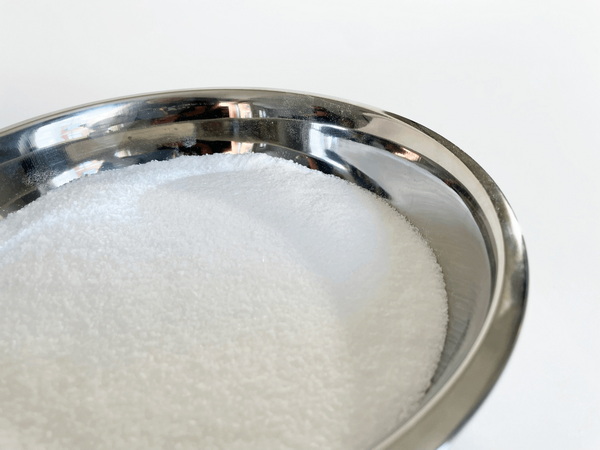
Benzocaine is an ester-type local anesthetic derived from p-aminobenzoic acid PABA. It works by temporarily numbing nerve endings, providing localized pain relief. Typically, benzocaine appears as a white crystalline solid with limited solubility in water but good solubility in organic solvents like ethanol. Converting benzocaine into powder form requires a multi-step process involving careful chemical synthesis, purification, drying, and particle size control to meet pharmaceutical-grade standards.
Particle size uniformity, purity, and moisture control are critical quality parameters that affect formulation stability, bioavailability, and overall product efficacy. Producers must maintain strict controls on these parameters to meet global regulatory standards and ensure end-product safety and effectiveness.
The first step in benzocaine powder production is the chemical synthesis of benzocaine, commonly achieved through Fischer esterification. This traditional organic chemistry method remains the most reliable route for commercial production.
- Reactants: p-aminobenzoic acid PABA and ethanol
- Catalyst: Concentrated sulfuric acid catalyzes the esterification reaction
- Process: The reactants are refluxed under heat, typically between 60°C and 90°C, for 60 to 90 minutes. During this time, PABA reacts with ethanol in the presence of sulfuric acid to produce benzocaine and water as a byproduct.
Temperature and timing are critical to maximize yield and reduce unwanted side reactions. Automated reactors with precision heating and stirring improve consistency in large-scale production. After synthesis, the mixture contains benzocaine dissolved in ethanol along with residual acids and water.
Once the liquid reaction mixture is cooled to room temperature, the next crucial step is to isolate the benzocaine through neutralization and precipitation:
- Slowly add a neutralizing agent such as sodium carbonate Na2CO3 or sodium bicarbonate NaHCO3 solution. This neutralizes the sulfuric acid catalyst and raises the pH typically to around 8, which decreases benzocaine's solubility.
- The benzocaine precipitates out as a solid. This precipitation step depends on precise pH and temperature control to optimize solid yield and purity.
- The solid precipitate is collected via vacuum filtration or centrifugation.
- The benzocaine cake is then washed repeatedly with purified water to remove residual salts, acids, and impurities.
Adequate washing and neutralization reduce the content of residual inorganic substances and improve the chemical purity of the isolated benzocaine.
After filtration, the benzocaine remains moist and requires drying to obtain a stable powdered form suitable for industrial use and storage:
- Drying methods vary based on scale. Small batches may be dried in ovens at controlled temperatures ranging from 60°C to 85°C for several hours until moisture reaches below 1%.
- Large-scale manufacturers use vacuum dryers, fluidized bed dryers, or spray drying to speed the process and reduce thermal degradation.
- Moisture content is critical to control because excess water leads to clumping, microbial growth, and reduces shelf life.
- Drying at too high temperatures or for too long can decompose benzocaine or affect color and crystallinity, so carefully optimized conditions are essential.
Moisture content below 1% ensures the powder is free-flowing and stable for long-term storage.
To convert the dried benzocaine into a finely dispersed powder, mechanical size reduction and classification occur:
- For small labs or pilot batches, a mortar and pestle may be used manually, but this is impractical for industrial scale.
- Industrial-scale production utilizes hammer mills, jet mills, ball mills, or roller mills depending on required particle size and throughput.
- The crushed powder is passed through precision sieves or mesh screens to achieve uniform particle size distribution.
- Typical pharmaceutical specifications require particles below 50 microns D90 to ensure even dispersion in final dosage forms.
Uniform particle size promotes even drug release, reduces gritty texture in topical products, and improves solubility rates.
For certain pharmaceutical applications requiring the highest purity levels, an additional recrystallization step is employed:
- The crude benzocaine powder is dissolved in hot ethanol or a mixture of organic solvents.
- Additives like alkylsulfonates e.g., dodecyl sodium sulfate are sometimes included to influence the size and shape of the benzocaine crystals.
- Controlled cooling under stirring induces crystallization, preferentially forming large, pure benzocaine crystals while impurities remain dissolved.
- The recrystallized benzocaine is collected by filtration and dried.
Recrystallization significantly improves chemical purity and produces particles with preferable morphology for pharmaceutical formulation.
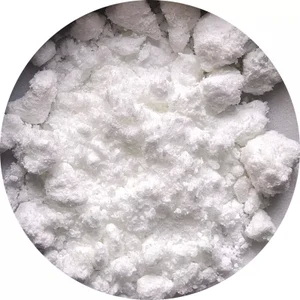
Quality assurance is fundamental throughout the benzocaine powder production process, focusing on:
- Chemical Purity: Ensuring removal of residual acids, solvents, and reactants through washing and recrystallization.
- Particle Size Distribution: Controlling granularity to pharmaceutical specifications for bioavailability and formulation stability.
- Moisture Content: Maintaining moisture below 1% to prevent agglomeration and degradation.
- Storage Conditions: Powder should be stored in airtight, moisture-proof, light-resistant containers in cool, dry environments.
- Safety Measures: Due to benzocaine's potential toxicity and irritant properties, proper handling and PPE use are mandatory in manufacturing.
Analytical testing includes high-performance liquid chromatography HPLC for purity, gas chromatography GC for residual solvents, laser diffraction for particle sizing, and loss on drying LOD tests for moisture.
Scaling laboratory procedures to industrial levels requires process innovation and automation improvements:
- Automated reflux reactors with precise temperature and pH controls improve yield and reduce batch variability.
- Inline neutralization systems ensure consistent pH adjustment and benzocaine precipitation.
- Industrial dryers such as vacuum or fluidized bed dryers increase throughput while preserving compound integrity.
- Jet milling reduces particle size efficiently without high heat generation, preventing degradation.
- Real-time process analytical technologies PAT for particle size and moisture content enable continuous quality control.
These optimizations reduce waste, energy consumption, and cost, critical to OEM manufacturers competing in global supply markets.
Benzocaine powder finds essential applications across multiple industries due to its effective topical anesthetic properties:
- Topical Anesthetic Products: Creams, gels, sprays, and ointments for temporary pain relief in minor skin irritations, burns, insect bites, and itching.
- Throat Lozenges and Sprays: Benzocaine provides numbing to reduce soreness and discomfort in sore throats and mouth ulcers.
- Dental Products: Used in gels and sprays during dental procedures to numb soft tissues locally.
- Cosmetics: Incorporated in hair removal creams and oral hygiene products.
- Medical Devices: Applied via sprays or coatings on catheters and endoscopes to reduce patient discomfort during procedures.
The demand for benzocaine powder continues to grow due to expanding pharmaceutical markets and increased consumer awareness of pain relief options.
Benzocaine synthesis and powder production involve organic solvents, strong acids, and waste streams requiring responsible management:
- Wastewater and solvent effluents must be treated and neutralized before discharge to prevent environmental damage.
- Use of closed reaction and drying systems reduces emissions and worker exposure.
- Worker safety protocols including gloves, goggles, respirators, and proper ventilation minimize health risks.
- Many manufacturers now invest in green chemistry innovations to reduce hazardous chemical usage and enhance process sustainability.
Strict adherence to environmental regulations and safety standards protects both personnel and the surrounding ecosystem.
Turning liquid benzocaine into high-quality powder requires a carefully controlled sequence of synthesis, isolation, drying, and milling, with optional recrystallization for purity enhancement. Strict quality management ensures product safety and efficacy for diverse pharmaceutical, medical, and cosmetic applications.
As a specialized manufacturer offering rigorous quality standards and flexible OEM solutions, we are equipped to provide premium benzocaine powder tailored to your requirements. Contact us today to discuss your sourcing or custom manufacturing needs and benefit from our expertise, quality assurance, and timely delivery.
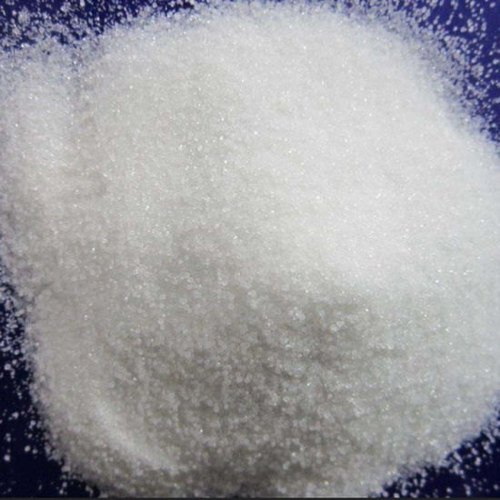
Benzocaine powder synthesis requires p-aminobenzoic acid PABA, ethanol, and concentrated sulfuric acid as the catalyst. Neutralization agents like sodium carbonate or sodium bicarbonate are used for isolation.
Purification is achieved through neutralization, vacuum filtration, washing of benzocaine solids, drying, and optionally recrystallization in ethanol to remove impurities and improve crystal quality.
Pharmaceutical-grade benzocaine powders typically have a particle size distribution with D90 below 50 microns to ensure uniform dispersion and formulation consistency.
Synthesis involves concentrated sulfuric acid and organic solvents, which require careful handling. While alternatives may exist in research, traditional methods rely on these chemicals with safety protocols in manufacturing.
Industries include pharmaceuticals, dental care, cosmetics, topical anesthetics, throat lozenges, and medical devices.
[1]https://www.supplybenzocaine.co.uk/how-to-turn-benzocaine-into-powder.html
[2]https://patents.google.com/patent/CN107501108A/en
[3]https://www.youtube.com/watch?v=RiTN1EYB-rs
Hot tags: Liquid Benzocaine to Powder, Benzocaine Liquid Conversion, Benzocaine Powdering Techniques, Benzocaine Liquid Preparation, Benzocaine Liquid to Powder Method, Benzocaine Liquid Crystallization, Benzocaine Liquid Mixing, Benzocaine Liquid Processing, Benzocaine Powder Recipe, Benzocaine Liquid to Powder Tips