Content Menu
● What is Lidocaine HCL Injection USP?
● Common Medical Uses of Lidocaine HCL Injection
● Preparation and Precautions Before Use
>> Local Infiltration Anesthesia
>> Intravenous Lidocaine for Arrhythmia
● Dosage and Administration Guidelines
● Safety Precautions and Contraindications
● Recognizing and Managing Side Effects
● Frequently Asked Questions (FAQ)
>> 1. What is the onset time of Lidocaine HCL Injection USP?
>> 2. Can Lidocaine HCL Injection be used in children?
>> 3. Is epinephrine always added to lidocaine injections?
>> 4. What should be done in case of lidocaine overdose?
>> 5. How should Lidocaine HCL Injection be stored?
Lidocaine Hydrochloride (HCL) Injection USP is a widely used local anesthetic and antiarrhythmic agent in modern medical practice. It is valued for its ability to provide targeted numbness, allowing pain-free surgical and diagnostic procedures, as well as its important role in managing certain heart rhythm disturbances. This article offers an in-depth, accessible explanation of how to properly use Lidocaine HCL Injection USP, guiding healthcare professionals, biotech and pharmaceutical OEM providers, and interested readers through its uses, preparation, administration, dosage, safety guidelines, and side effects.
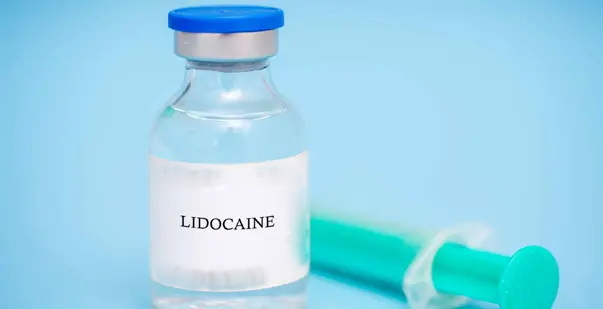
Lidocaine HCL Injection USP is a sterile solution containing lidocaine hydrochloride, available in various concentrations such as 0.5%, 1%, 2%, or 4%. It functions primarily by blocking sodium ion channels in nerve cells, which prevents the propagation of nerve impulses and temporarily numbs the targeted area. Its rapid onset and relatively short duration of action make it suitable for a broad range of medical procedures. Aside from its anesthetic properties, lidocaine also acts on cardiac cells to stabilize abnormal electrical activity and treat ventricular arrhythmias, particularly during cardiac emergencies.
- Local anesthesia during minor surgeries, dental work, or outpatient procedures to numb specific areas.
- Nerve blocks, where the medication is injected near specific nerves to manage pain in larger body regions.
- Epidural and spinal anesthesia in some clinical settings.
- Antiarrhythmic treatment, specifically for ventricular tachycardia or cardiac arrest situations.
- Topical anesthesia prior to injections or catheter placement, when used in diluted form.
Before administering Lidocaine HCL Injection USP, healthcare practitioners must carefully prepare and verify several aspects to ensure safety and efficacy:
- Verification of prescription and dosage: Confirm the recommended concentration and volume from clinical guidelines or the patient's doctor.
- Visual inspection: The solution should be clear, colorless, and free from particulate matter.
- Check expiration date: Do not use expired medication.
- Prepare sterile equipment: Including syringes, needles, and antiseptic cleaning supplies.
- Patient assessment: Evaluate medical history for allergies to lidocaine or other amide-type anesthetics, cardiovascular status, liver or kidney function, and any contraindications.
- Environmental readiness: Ensure resuscitation equipment is readily available in case of allergic or adverse reactions.
This is the most common application, where lidocaine is injected directly into the tissue around the area needing anesthesia.
- Clean the injection site thoroughly with antiseptic.
- Attach an appropriate needle to a sterile syringe.
- Draw the correct dose of lidocaine from the vial without contaminating the solution.
- Slowly inject into the tissue while avoiding blood vessels (aspirate to confirm no blood return).
- Typical injections numb the skin, mucosa, or deeper tissues depending on the procedure.
- Patients may experience slight discomfort during the injection, but the onset of numbness usually occurs within minutes.
Used to anesthetize a larger area by targeting specific nerve trunks or plexuses.
- Identify the nerve location using anatomical landmarks or nerve stimulators.
- Prepare the skin and use aseptic techniques.
- Insert the needle close to the nerve and inject the lidocaine around it to achieve nerve blockade.
- Monitor the patient for effective anesthesia onset and signs of systemic toxicity.
Administered intravenously under strict medical supervision to treat certain cardiac arrhythmias.
- Initial intravenous bolus is given, followed by continuous infusion as needed.
- Cardiac monitoring (ECG) is essential throughout administration.
- Dosage and infusion rates vary and must be adjusted to the patient's response.
- Careful observation for signs of toxicity or adverse cardiovascular effects is mandatory.
The correct dosage of Lidocaine HCL Injection USP varies widely based on the indication, concentration used, patient's body weight, age, and medical condition. Some general guidelines include:
- The maximum dosage without epinephrine is typically 4.5 mg/kg body weight and can increase to 7 mg/kg if combined with epinephrine, which slows absorption by constricting blood vessels.
- For local anesthesia in adults, doses of 1 to 5 mL of 1% to 2% lidocaine are standard.
- In children, doses must be carefully calculated and generally kept lower due to increased sensitivity.
- Intravenous doses for arrhythmia treatment use precise bolus and infusion rates under hospital protocols.
- Repetitive doses or continuous infusions require monitoring to prevent accumulation and toxicity.

Using Lidocaine HCL Injection USP safely involves awareness of contraindications and vigilance for adverse effects:
- Avoid in patients with a known allergy to lidocaine or other amide local anesthetics.
- Use caution in patients with severe cardiac diseases, impaired liver or kidney function.
- Avoid accidental intravascular injection by aspirating before injection.
- Always monitor the patient for central nervous system symptoms (dizziness, tinnitus, seizures) or cardiovascular disturbances (bradycardia, hypotension).
- Emergency resuscitation equipment and medications must be accessible during administration.
- Do not exceed recommended doses to minimize the risk of toxicity.
Common side effects from Lidocaine HCL Injection USP are generally mild and localized:
- Pain, irritation, or swelling at the injection site.
- Temporary numbness or tingling beyond the target area.
Serious side effects, though rare, require immediate medical attention:
- Central nervous system toxicity: lightheadedness, nervousness, tremors, convulsions.
- Cardiovascular toxicity: arrhythmias, low blood pressure, collapse.
- Allergic reactions: rash, itching, or, in severe cases, anaphylaxis.
- Always adhere to clinical guidelines for dosage and administration.
- Use epinephrine with lidocaine when prolonged anesthesia and reduced bleeding are desired, except in areas with compromised blood supply (e.g., fingers, toes, ears).
- Monitor patients closely during and after injection for early signs of adverse reactions.
- Educate patients about what to expect during the anesthetic process.
Lidocaine HCL Injection USP remains an indispensable tool in anesthesia and emergency cardiac care due to its rapid, reliable action and versatility. For biotechnology and pharmaceutical companies offering OEM services, in-depth understanding of its proper use, safety profile, and administration techniques is essential. With rigorous quality control and adherence to regulatory standards, manufacturers can provide superior injectable lidocaine products to meet international healthcare demands. Contact us to know more!
If you need high-quality Lidocaine HCL Injection USP manufactured with strict compliance and customized OEM services, contact us today. We are committed to delivering safe, effective pharmaceutical products tailored to your brand requirements and global market needs. Partner with us to innovate and grow in the healthcare industry.
Lidocaine typically starts working within 2 to 5 minutes after administration, providing local anesthesia for 30 to 120 minutes, depending on the dose and injection site.
Yes, it can be used in children but dosages must be carefully adjusted based on body weight and clinical condition to minimize toxicity risks.
No, epinephrine is added to prolong anesthesia and reduce bleeding but is contraindicated in areas with limited blood supply to avoid tissue damage.
Immediate medical intervention is required, including airway management, seizure control, and cardiovascular support, as overdoses can cause severe toxicity.
Store in a cool, dry place between 20°C to 25°C (68°F to 77°F), protect from light and do not freeze to maintain efficacy.
Hot tags: Lidocaine HCL Injection, How to Use Lidocaine, Lidocaine Dosage Instructions, Lidocaine Injection Guidelines, Lidocaine Side Effects, Lidocaine Injection Precautions, Local Anesthesia Techniques, Lidocaine Administration Methods, Lidocaine Injection Safety, Lidocaine Injection for Pain Relief