Content Menu
● Understanding Acetaminophen Powder
>> Adult Dosage
● Safety Precautions and Warnings
● Frequently Asked Questions (FAQ)
>> 1. What is the maximum recommended daily dose of acetaminophen powder for adults?
>> 2. How should acetaminophen powder dosing be adjusted for children?
>> 3. Can acetaminophen powder be combined with other medications?
>> 4. What steps should be taken in the event of an acetaminophen overdose?
>> 5. Is acetaminophen safe for people with liver conditions?
Acetaminophen, also known as paracetamol in some countries, is one of the most widely used over-the-counter medications for pain relief and fever reduction. The pure powder form of acetaminophen offers unique advantages in pharmaceutical manufacturing and customized dosing. This guide explores comprehensive instructions on dosage, administration, safety, and other important considerations to ensure effective and safe use of pure acetaminophen powder for consumers, healthcare professionals, and manufacturers.
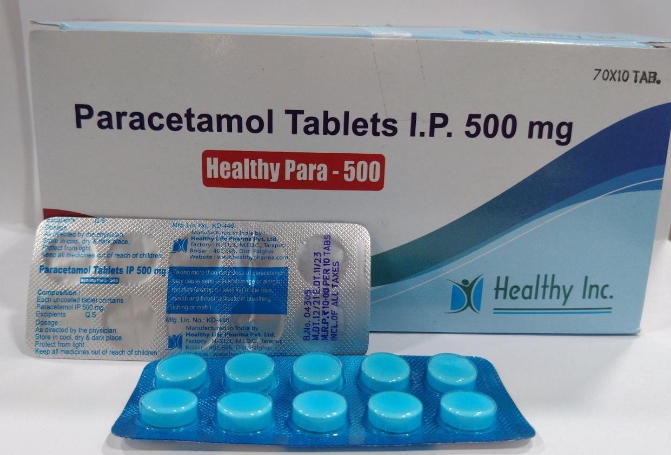
Pure acetaminophen powder is a white crystalline substance, the active ingredient in many analgesic and antipyretic medicines. This form allows versatility for various pharmaceutical applications such as tablets, capsules, oral suspensions, and dissolve-in-water powders. The powder is highly potent, enabling precise dose formulation tailored for different patient populations like adults, children, or elderly.
Adults and adolescents over 12 years generally take acetaminophen powder based on the following guidelines:
- Single dose: 650 mg to 1000 mg orally every 4 to 6 hours as needed.
- Maximum daily dose: No more than 4000 mg within 24 hours.
Strict adherence to dosing intervals and maximum limits prevents risks of liver toxicity, a known severe consequence of acetaminophen overdose. If pain or fever persists beyond three days at maximum doses, medical advice should be sought.
Children require careful dosing usually calculated by weight or age:
- For children weighing 24 to 35 lbs (11 to 16 kg): 5 mL liquid suspension (160 mg/5 mL) or 1 chewable 160 mg tablet.
- For children 36 to 47 lbs (16 to 21 kg): 7.5 mL or 1.5 tablets.
- For children 48 to 59 lbs (22 to 27 kg): 10 mL or 2 tablets.
- For children 60 to 71 lbs (27 to 32 kg): 12.5 mL or 2.5 tablets.
- For children 72 to 95 lbs (33 to 43 kg): 15 mL or 3 tablets.
- Children over 95 lbs (43+ kg) typically take adult doses.
Repeat doses no more than every 4 to 6 hours, with a maximum of five doses in 24 hours. Dosage below 2 years should only be administered under medical supervision.
The powder's adaptability allows for different modes of administration:
- Oral Suspensions: Mixing powder with purified water creates an ingestible solution, suited for children and adults unable to swallow tablets.
- Capsules and Tablets: Powder is compressed or encapsulated for convenient oral delivery.
- Dissolvable Powder Packs: Single-dose packets can be dissolved in water for rapid ingestion and absorption.
- Rectal Suppositories: Useful when oral intake is compromised by vomiting, surgery, or unconsciousness.
Each form requires specific preparation and dosage to ensure effectiveness and safety.
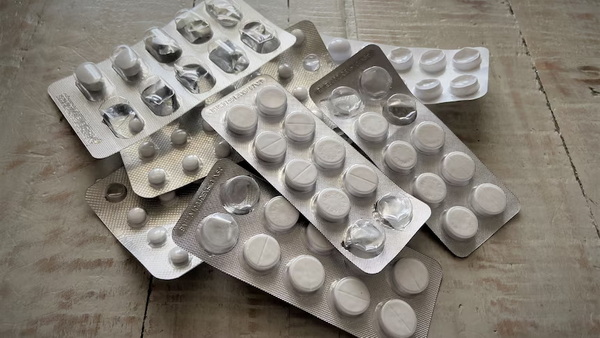
Producing pharmaceutically compliant pure acetaminophen powder involves sophisticated processes to ensure quality, purity, and consistency:
- Particle Size Control: Large crystals formed during synthesis undergo size adjustment by deagglomeration and sieving to achieve uniform particle diameters, optimizing flowability and formulation ease.
- Additive Integration: Dispersants (e.g., hydrated silicon dioxide) and solubilizing agents are uniformly blended to improve powder properties.
- Water Content Adjustment: Precise addition of water (0.3%-2.5% by weight) optimizes tablet hardness and manufacturability.
- Lubricants: Magnesium stearate is added before tablet compression for smooth manufacturing.
These steps are essential for producing stable, effective acetaminophen tablets or powders aligned with regulatory standards.
While acetaminophen is widely safe, improper use can lead to severe health effects, primarily liver injury:
- Do not exceed 4000 mg total per day for adults.
- Avoid concurrent use of acetaminophen-containing products to prevent accidental overdose.
- Avoid alcohol use during acetaminophen treatment, as it increases liver toxicity risk.
- Individuals with liver disease or chronic alcohol use should consult a healthcare provider before use.
- Be vigilant when dosing children—use proper measuring devices.
- In case of overdose suspicion, seek immediate medical attention even if asymptomatic.
Store acetaminophen powder in a dry, cool place away from moisture and heat to preserve stability and potency. Keep away from children and pets to prevent accidental ingestion.
Pure acetaminophen powder serves as a fundamental pharmaceutical ingredient for pain and fever management. Safe and effective use requires understanding proper dosing protocols, selection of appropriate administration form, and strict adherence to safety guidelines. For pharmaceutical manufacturers and brands seeking reliable pure acetaminophen powder with OEM services, partnering with a factory that ensures rigorous quality control and regulatory compliance is essential. Contact us today for premium acetaminophen powder supply solutions tailored to your business needs.
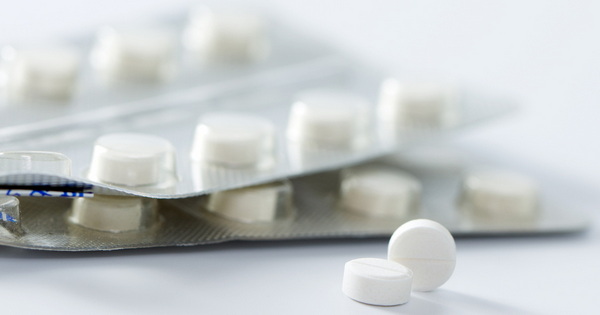
The maximum safe dose is 4000 mg in 24 hours to avoid the risk of liver damage.
Dosing is weight-based, generally ranging from 160 mg to 480 mg per dose, repeated every 4 to 6 hours without exceeding five doses per day.
Avoid using multiple acetaminophen-containing products simultaneously to prevent overdose and harmful side effects.
Seek emergency medical help immediately, even if no symptoms appear. Early treatment is crucial for a positive outcome.
People with liver disease or chronic alcohol consumption should consult a healthcare professional before using acetaminophen to avoid potential liver toxicity.
[1](https://patents.google.com/patent/US20210220283A1/en)
[2](https://patents.google.com/patent/WO2017195796A1/en)
[3](https://pubmed.ncbi.nlm.nih.gov/17964129/)
[4](https://elcanindustries.com/sieving-acetaminophen/)
[5](https://uwaterloo.ca/racicot-organic-chemistry-lab/sites/default/files/uploads/documents/chemlabdays_tylenol.pdf)
[6](https://www.entrepreneurindia.co/blogs/paracetamol-manufacturing/)
[7](https://patentscope.wipo.int/search/en/WO2020148217)
[8](https://www.sciencedirect.com/science/article/abs/pii/S0378517323003551)
[9](https://www.jocpr.com/articles/kinetic-modelling-and-sensitivity-analysis-of-acetylation-unit-of-continuous-acetaminophen-production-process-aspen-plus.pdf)
Hot tags: Acetaminophen Powder Dosage, How To Use Acetaminophen, Acetaminophen Administration Methods, Safe Acetaminophen Use, Acetaminophen Dosage Guidelines, Acetaminophen Powder Instructions, Acetaminophen for Pain Relief, Acetaminophen Side Effects, Acetaminophen Dosing Chart, Acetaminophen Usage Tips