Content Menu
● Global Paracetamol Market Overview
● Key Influencing Factors on Paracetamol Price Fluctuations
>> Raw Material Costs and Production Expenses
>> Regulatory and Trade Policies
>> Market Competition and Brand Strategies
● Regional Market Insights and Price Trends
>> China
>> Europe
>> Asia Pacific and Other Regions
● Market Forecast: 2025 to 2034
● Strategic Advice for Buyers and OEM Partners
● Frequently Asked Questions (FAQs)
>> 1. What are the primary reasons for paracetamol price fluctuations?
>> 2. How do global health events affect paracetamol prices?
>> 3. What is the projected growth rate of the paracetamol market through 2034?
>> 4. How do regulatory changes influence paracetamol pricing?
>> 5. What should buyers consider when partnering with OEM paracetamol suppliers?
Paracetamol, also known as acetaminophen, is one of the most commonly used over-the-counter analgesic and antipyretic medications globally. Its widespread use in managing fever, headache, muscle pain, and surgical pain underpins steady demand. However, paracetamol prices have experienced notable fluctuations influenced by multiple market factors including supply-demand dynamics, raw material costs, regulatory changes, and global economic conditions. This article comprehensively examines the drivers of paracetamol price changes and provides a detailed forecast of the global market from 2025 to 2034. As a trusted Chinese factory specializing in biotechnology, pharmaceuticals, and medical device OEM services, supplybenzocaine.co.uk aims to offer insights to international brand owners, wholesalers, and manufacturers navigating this complex market.
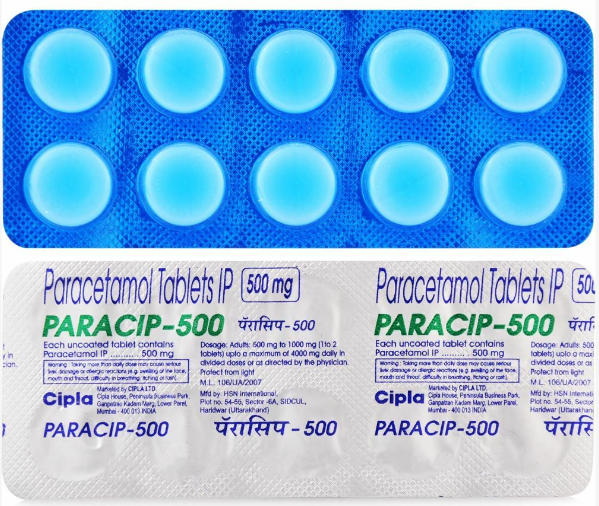
The global paracetamol market was valued at approximately USD 922.41 million in 2025, with projections estimating growth to USD 1,460.23 million by 2034. This corresponds to a compound annual growth rate (CAGR) of about 5.24%. The increasing global prevalence of chronic conditions, growing geriatric population, rising healthcare awareness, and widespread use of paracetamol in OTC formulations broadly support this expansion.
Paracetamol is utilized extensively as a fever reducer and analgesic and is available in multiple dosage forms including tablets, capsules, liquid suspensions, and powders. Among these, tablets dominate the market due to consumer preference for convenient and effective dosage forms.
Price volatility in paracetamol primarily arises from imbalances between supply and demand. Overproduction or inventory build-up can lead to price decreases, whereas sudden demand surges—often during disease outbreaks or seasonal epidemics—cause upward pressure on prices. For instance, in 2024 and early 2025, China and the United States observed price fluctuations driven by oversupply situations combined with logistical constraints and fluctuating consumer demand.
The cost of raw materials used in manufacturing paracetamol APIs is a major driver of manufacturing expenses and ultimately influences market prices. Factors such as geopolitical tensions, trade policies, environmental regulations, and raw material scarcity contribute to fluctuations in input costs. These fluctuations often result in rising production costs that suppliers pass on to customers, causing price elevations in end products.
Government regulations on pharmaceutical manufacturing, environmental audits, import-export tariffs, and price controls heavily impact the market. Regulations can impose additional compliance costs or limit production volumes, while tariffs affect international trade prices. For example, stricter environmental restrictions in manufacturing hubs cause cost increases, while deregulation in some markets can ease price pressures.
Market competition also plays a significant role in price setting. Branded paracetamol products often command premium prices based on reputation and formulation, whereas generic and bulk products cater to price-sensitive segments. Different dosage forms (effervescent tablets, liquids, extended-release capsules) and packaging options also lead to significant price variations. Bulk purchasing agreements by hospitals or wholesalers provide volume discounts that affect market pricing structures.
In the US, paracetamol prices around Q3 2024 hovered near 3,850 USD per metric ton but showed signs of stabilization after an earlier period marked by delayed purchasing and inventory liquidation. The growing focus on chronic pain management and increased demand post-pandemic plays a pivotal role in maintaining market equilibrium.
As one of the largest producers, China's paracetamol prices were approximately 3,400 USD per metric ton in Q3 2024. The market experienced fluctuations due to oversupply linked to strong production outputs and occasional dips in domestic demand. Currency valuation changes also contribute to pricing variability.
European markets face multifaceted challenges including supply chain disruptions, increased shipping costs, and inflationary pressures. These factors caused paracetamol prices in key countries like Germany to fluctuate between 3,600 and 5,000 USD per metric ton in 2024-2025. Buyers often navigate cautious purchasing patterns amid uncertainty.
Asia Pacific is one of the fastest growing regions in terms of paracetamol demand, driven by expanding healthcare infrastructure and rising consumer awareness. Latin America, Africa, and the Middle East represent growing markets due to improving healthcare access and increasing self-medication trends.
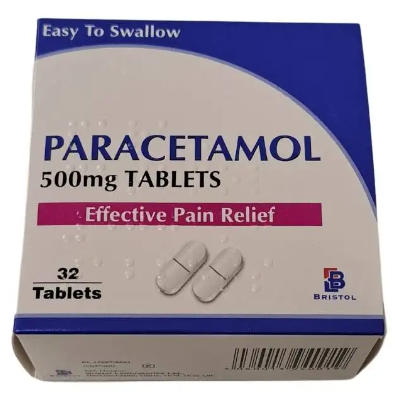
The global paracetamol market is forecasted to grow steadily at a CAGR of approximately 5.24% through 2034. Several factors catalyze this expansion:
- Increasing incidence of ailments such as arthritis, migraines, muscle pain, and fevers requiring analgesic and antipyretic treatment.
- Rising elderly population leading to chronic pain management needs.
- Growing preference for self-medication and over-the-counter drug use worldwide.
- Adoption of novel formulations, including intravenous paracetamol for effective post-operative pain relief, which bypasses side effects related to opioids.
- Expansion of healthcare infrastructure in emerging markets enhancing accessibility.
At the same time, challenges will persist, including regulatory scrutiny over safety concerns (notably liver toxicity risk from overdose), competition from alternative pain management drugs, and raw material supply chain vulnerabilities.
Companies sourcing paracetamol APIs or finished products should adopt flexible, informed procurement strategies to manage fluctuating prices effectively. Recommendations include:
- Regularly monitor raw material cost indices, geopolitical developments, and regulatory changes impacting production.
- Utilize flexible purchasing agreements that allow inventory management aligned with market movements.
- Partner with reliable and adaptable OEM manufacturers capable of adjusting production scale in response to market shifts.
- Consider a mix of branded and generic products as per target market demands and price sensitivity.
- Maintain close communication across supply chain stakeholders to anticipate supply bottlenecks and demand surges.
Paracetamol prices have demonstrated volatility due to intertwined factors including supply-demand imbalances, raw material cost fluctuations, and regulatory and competitive market forces. Nevertheless, the global paracetamol market is projected to grow steadily with a CAGR above 5%, underpinned by sustained demand for effective pain and fever relief worldwide. For foreign brands, wholesalers, and manufacturers, understanding these market dynamics is essential to leveraging opportunities and mitigating price risks.
For expert OEM paracetamol manufacturing tailored to meet international standards and fluctuating market needs, contact supplybenzocaine.co.uk, your reliable partner to ensure consistent quality, competitive pricing, and supply chain adaptability.
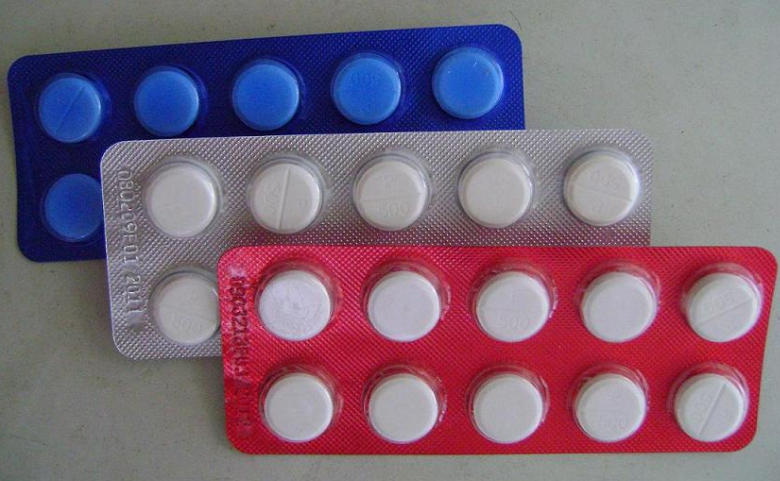
The main reasons are supply-demand mismatches, variations in raw material costs, regulatory impacts, and competitive strategies across different markets.
Health crises often lead to spikes in paracetamol demand for symptom relief, causing temporary shortages and price increases, compounded by supply chain disruptions.
The market is expected to grow at a CAGR of approximately 5.24% from 2025 to 2034, reaching over USD 1.46 billion globally.
Stricter environmental or manufacturing regulations increase production costs, which may lead to higher prices. Tariffs and trade policies also affect import/export prices.
Buyers should evaluate supplier reliability, production scalability, regulatory compliance, pricing competitiveness, and supply chain resilience to fluctuations.
[1](https://www.custommarketinsights.com/press-releases/paracetamol-market-size/)
[2](https://market.us/report/paracetamol-market/)
[3](https://www.globenewswire.com/news-release/2025/08/05/3127014/0/en/Latest-Global-Paracetamol-Market-Size-Share-Worth-USD-1460-23-Million-by-2034-at-a-5-24-CAGR-Custom-Market-Insights-Analysis-Outlook-Leaders-Report-Trends-Forecast-Segmentation-Gro.html)
[4](https://www.custommarketinsights.com/report/paracetamol-market/)
[5](https://www.expertmarketresearch.com/reports/paracetamol-market)
[6](https://www.linkedin.com/posts/custom-market-insights_latest-global-paracetamol-market-sizeshare-activity-7358353699259215873-klI8)
[7](https://finance.yahoo.com/news/paracetamol-iv-market-share-rise-121300621.html)
[8](https://www.gminsights.com/industry-analysis/acetaminophen-market)
[9](https://uk.finance.yahoo.com/news/acetaminophen-market-opportunity-growth-drivers-082800689.html)
[10](https://www.chemanalyst.com/industry-report/paracetamol-market-3152)
Hot tags: Paracetamol Price Fluctuations, Market Forecast, Influencing Factors, Global Pricing Trends, Supply Chain Disruptions, Demand and Supply Dynamics, Pharmaceutical Market Analysis, OTC Drug Pricing, Economic Impact on Prices, Paracetamol Market Insights