Content Menu
● Is Benzocaine Physically Addictive?
● Can Benzocaine Be Psychologically Misused?
● Misuse, Diversion and Recreational Contexts
● Safety Risks From Overuse (Not Addiction)
● Regulatory and Labeling Considerations
● Best‑Practice Use to Minimize Risk
● OEM Benzocaine Solutions for Global Brands
● Quality, Compliance and Documentation
● How Benzocaine Fits in Modern Pain‑Relief Portfolios
● FAQ About Benzocaine and Addiction
>> 1. Is benzocaine addictive like opioids?
>> 2. Can you get “hooked” on benzocaine sexual products?
>> 3. What happens if benzocaine is overused?
>> 4. Is benzocaine safe for children and infants?
>> 5. How should brands design benzocaine products to minimize misuse?
Benzocaine itself is not considered a classic addictive drug like opioids, nicotine, or benzodiazepines, because it does not produce strong euphoria or act directly on the brain's reward system in a significant way. However, it can still be misused, overused and cause serious side effects, so brands and OEM buyers must design and label benzocaine products responsibly.

Benzocaine is an ester‑type local anesthetic that temporarily blocks sodium channels in peripheral nerves so that pain signals cannot travel to the brain. It is most often applied topically to the skin or mucous membranes in gels, creams, sprays, ointments, lozenges and other dosage forms for short‑term relief of pain and itching.
Common indications include minor skin irritation, insect bites, sunburn, small cuts, hemorrhoids, sore throat and dental/oral pain. In many markets benzocaine is available over the counter (OTC) in low doses, while higher‑strength or special‑use formulations may be restricted or used under medical supervision.
To understand whether benzocaine is “addictive”, it is important to define what addiction means from a pharmacological and clinical perspective. True drug addiction usually involves repeated compulsive use of a substance that activates the brain's reward pathways and causes tolerance and withdrawal.
Classic addictive drugs (such as opioids, nicotine, alcohol or stimulants) strongly stimulate dopamine‑mediated reward circuits, creating psychological dependence. Many topical local anesthetics, including benzocaine, act mainly at the site of application and have minimal central nervous system (CNS) penetration when used appropriately, so they do not strongly reinforce compulsive use in most people.
From the perspective of physical dependence and withdrawal, benzocaine is not considered physically addictive in typical topical use. When patients stop properly used benzocaine products, they do not usually experience classic withdrawal symptoms such as tremors, sweating, craving or anxiety attributed directly to the anesthetic.
Benzocaine has a rapid onset and relatively short duration of action at the application site, with limited systemic absorption at recommended doses. There is no robust evidence that benzocaine, when used as directed in OTC or professional products, causes physiological dependence comparable to opioids or sedatives.
Although benzocaine is not classically addictive, it can still be misused or overused, especially in certain product categories such as sexual wellness or oral pain products. Some users may repeatedly apply high doses seeking prolonged numbness or performance effects, which can increase side‑effect risks.
For premature ejaculation products, overuse of benzocaine wipes, sprays or condoms can lead to reduced sensation, difficulty reaching orgasm and possible reliance on the product to feel confident during sex. Individuals with chronic pain who self‑medicate may apply benzocaine products more often than recommended, instead of seeking professional diagnosis and treatment.
Benzocaine has been reported in certain illicit contexts, not because users are “addicted” to benzocaine, but because it can mimic some sensory properties of other drugs. This is more relevant for regulators and professionals than for typical OTC consumers, but brands and OEM manufacturers should understand the risk.
Benzocaine and lidocaine have been identified as adulterants in illicit cocaine to imitate the numbing effect in the nose, making low‑purity cocaine feel “stronger”. In medical settings, concentrated benzocaine sprays used for endoscopy or intubation have been implicated in adverse events, particularly methemoglobinemia, when overapplied or misused; again, this is toxicity, not classic addiction.
The main concern with benzocaine is not addiction but toxicity and rare yet serious adverse reactions when used incorrectly or in vulnerable patients. These safety aspects must be clearly considered in formulation, labeling and OEM product design.
Benzocaine can cause a rare but potentially life‑threatening blood disorder called methemoglobinemia, where hemoglobin cannot carry oxygen effectively; symptoms include blue or gray skin, shortness of breath, fatigue and confusion. Regulatory authorities in several countries have issued strong warnings and, in some cases, recommended that oral benzocaine products not be used for infants and children under 2 years, and that adults use the smallest effective amount, no more than a limited number of applications per day.
Other possible side effects from misuse or overuse include local burning, redness, allergic contact dermatitis, swelling of the lips or tongue, dizziness, headache or, in severe cases, seizures and heart rhythm disturbances. The risk increases if benzocaine is applied on large or damaged skin areas, under occlusive dressings, or in combination with other oxidizing drugs that also raise methemoglobinemia risk.
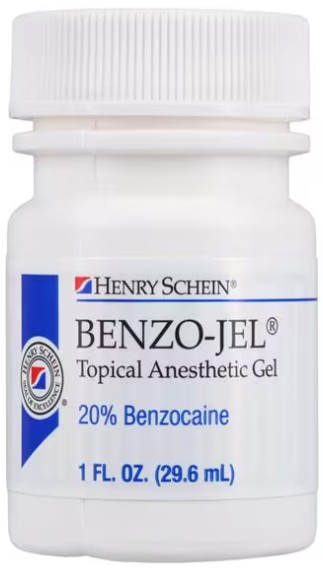
For international brands sourcing benzocaine through OEM factories, regulatory compliance and risk communication are critical. Even though benzocaine is not classically addictive, authorities expect clear warnings, dosage instructions and contraindications on finished products.
Labels should highlight the risks of methemoglobinemia, avoid infant teething indications where restricted, and specify maximum application frequency and dose per day. Technical documentation for registration in regulated markets often requires safety data, pharmacological profiles, impurity limits, microbiological controls and stability data for benzocaine‑containing formulations.
In some regions, regulators have requested that benzocaine oral products for infants be removed from the market or carry strong boxed warnings. OEM developers should track current regulatory opinions in target countries and adapt indications, strength, age limits and label wording accordingly.
Responsible use is key to maximizing the benefits of benzocaine while minimizing misuse and side effects. This applies both to individual users and to companies designing benzocaine products.
Consumers should follow on‑pack instructions, use the minimum effective amount, avoid repeated long‑term self‑treatment and seek medical advice if pain persists or worsens. They should avoid using benzocaine on large or deeply injured skin areas, and stop use immediately if signs of allergy or breathing difficulty appear.
Healthcare professionals and brand owners should educate users about correct application and contraindications, and avoid mixing benzocaine with other agents that increase oxidizing stress on red blood cells. Packaging and dosage forms can be designed to discourage overuse, for example by using metered sprays, unit‑dose swabs, blistered lozenges or single‑use sachets that naturally limit each application.
For foreign brand owners, wholesalers and manufacturers, partnering with an experienced OEM factory is an efficient way to develop compliant benzocaine product lines for different international markets. A specialized Chinese manufacturer can provide API sourcing, formulation, filling, packaging and documentation services tailored to your regulatory region and customer segment.
OEM partners can help design benzocaine products such as oral gels, throat sprays, lozenges, dental swabs, hemorrhoid creams, ear drops and sexual wellness sprays or wipes. Depending on your positioning, formulations can be optimized for onset time, duration, flavor and mouthfeel, skin feel, and compatibility with other functional ingredients like astringents, antiseptics or soothing botanicals.
With proper formulation design, brands can balance efficacy and safety by selecting appropriate benzocaine concentrations, buffers, viscosity modifiers, permeation modifiers and preservatives. An experienced factory can also guide you on packaging materials (tubes, pumps, spray valves, blister packs) and private‑label artwork that meets both regulatory and marketing objectives.
A professional OEM factory supporting benzocaine projects should operate under GMP and ISO quality systems and use validated processes for mixing, filling and packaging. This helps ensure consistent potency, low impurity levels, microbiological safety and stable product performance throughout shelf life.
For global registration and audits, the factory can prepare or assist with documentation such as specifications, certificates of analysis, stability reports, safety data sheets, formulation rationales and manufacturing flowcharts. Many buyers also request audit support, including on‑site inspections or remote video audits to verify equipment, cleanroom management, data recording and traceability.
Supply planning is another key aspect for international benzocaine brands. A capable OEM partner can help you design a production and inventory plan aligned with your market launch timeline and forecast, reducing stock‑out risk and enabling gradual scale‑up as demand grows. Long‑term price and capacity agreements can improve cost control and security of supply for strategic buyers.
Benzocaine remains an important component in modern pain‑relief and self‑care portfolios because of its rapid local action and versatility in topical and mucosal products. Many consumers are familiar with “numbing” gels or sprays and expect fast, localized relief for minor problems without systemic effects.
Compared with systemic analgesics like paracetamol or ibuprofen, benzocaine can offer a more targeted effect for localized pain, with less impact on the rest of the body when used correctly. For brands, benzocaine allows differentiation in crowded segments such as oral pain, sore throat, hemorrhoids and sexual wellness, especially when combined with soothing excipients and pleasant sensorial profiles.
At the same time, brand owners must recognize changing regulatory expectations and increased attention to safety and misuse. Modern benzocaine products should emphasize clear instructions, conservative dose ranges, strong warnings where needed and user‑friendly packaging to help customers use the product correctly.
Benzocaine is not considered a classic addictive substance in the way that opioids, nicotine or central nervous system depressants are, because it does not strongly stimulate the brain's reward pathways and does not typically cause physical dependence. Nevertheless, certain users may misuse or overuse benzocaine products in an attempt to prolong numbness or enhance performance, which can increase the risk of side effects and serious complications such as methemoglobinemia.
For international brand owners and wholesalers, the key is to combine medically sound formulations, cautious strength selection, clear labeling and robust quality control, so that benzocaine products remain both effective and safe in real‑world use. Working with an experienced Chinese OEM factory such as supplybenzocaine.co.uk allows you to develop oral, skin, anorectal, ear and sexual wellness formulations tailored to your target markets, supported by technical documentation and scalable capacity.
If your company plans to launch or expand a benzocaine product line, you are welcome to contact our team with your target dosage forms, strengths, regulatory region and annual volume plan. Professional R&D support, sample preparation and OEM quotations can be arranged quickly to help you move from concept to market‑ready benzocaine products with reliable quality and competitive cost.
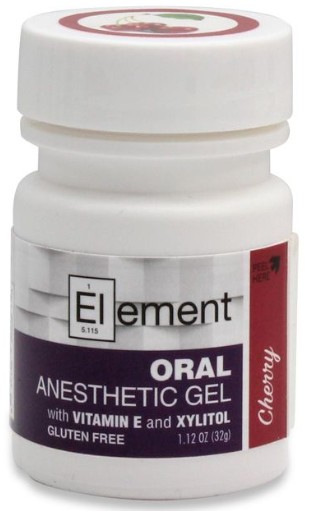
Benzocaine is not addictive in the same way as opioids, alcohol or nicotine, because it does not significantly activate the brain's reward circuits or produce strong euphoria. When used topically as directed, it usually does not cause physical dependence or withdrawal symptoms on discontinuation.
Some people may become psychologically reliant on benzocaine sprays, wipes or condoms for premature ejaculation, especially if they associate them with improved performance and confidence. This is a behavioral pattern rather than a pharmacological addiction, but overuse may reduce sensation, make orgasm more difficult and increase the risk of side effects.
Overusing benzocaine can lead to local irritation, allergic reactions, systemic toxicity and a serious condition called methemoglobinemia that reduces the blood's ability to carry oxygen. Symptoms may include blue or gray skin, shortness of breath, fatigue, confusion and rapid heart rate; urgent medical attention is required if these signs appear.
Health authorities in several countries advise against using benzocaine oral gels or liquids for teething or mouth pain in infants and very young children because of the risk of methemoglobinemia and limited proven benefit. Parents and caregivers should consult healthcare professionals for age‑appropriate alternatives and always follow local medical and regulatory guidance.
Brands should choose appropriate benzocaine concentrations, use clear dosing instructions, include strong warnings about potential risks and limit indications consistent with local regulations. OEM partners can help with formulation design, packaging (for example, metered sprays or unit doses) and regulatory documentation so that benzocaine products are effective, safe and less prone to misuse in the target market.
1. https://go.drugbank.com/drugs/DB01086
2. https://www.mayoclinic.org/drugs-supplements/benzocaine-topical-application-route/description/drg-20072913
3. https://www.drugwatch.com/benzocaine/
4. https://www.fda.gov/drugs/drug-safety-and-availability/fda-drug-safety-communication-reports-rare-serious-and-potentially-fatal-adverse-effect-use-oral
5. https://www.hsa.gov.sg/announcements/safety-alert/benzocaine-and-the-risk-of-methaemoglobinaemia
6. https://www.hims.com/blog/benzocaine-side-effects
Hot tags: Benzocaine Addiction, Is Benzocaine Safe, Benzocaine Side Effects, Benzocaine Uses, Benzocaine Overdose, Benzocaine Risks, Benzocaine Methemoglobinemia, Benzocaine vs Cocaine, Benzocaine Pain Relief, Benzocaine Legal Status