Content Menu
● Medical Uses and Dosage Forms
>> Oral and Throat Pain Products
>> Hemorrhoid and Anorectal Products
>> Sexual Wellness and Premature Ejaculation
● Safety, Side Effects and Warnings
>> Populations Requiring Extra Caution
● Regulatory and Quality Considerations
● OEM/ODM Benzocaine Services from a Chinese Factory
>> Customized Formulation Development
>> Production Capacity and Technical Support
● Marketing and Branding Perspectives
● FAQ
>> 1. What conditions does benzocaine help relieve?
>> 2. How should benzocaine products be used safely?
>> 3. Is benzocaine safe for infants and young children?
>> 4. What are the main side effects and risks of benzocaine?
>> 5. Why choose an OEM benzocaine manufacturer in China?
Benzocaine is a local anesthetic widely used in oral care, skin care, anorectal products, otic preparations and certain sexual wellness products. It provides fast, targeted relief from pain and irritation at the site of application without affecting consciousness. When developed and used correctly, benzocaine‑based products can be powerful tools in consumer and professional pain management, but they must always be formulated, labeled and used with safety and regulatory requirements in mind.
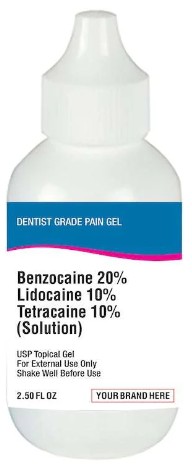
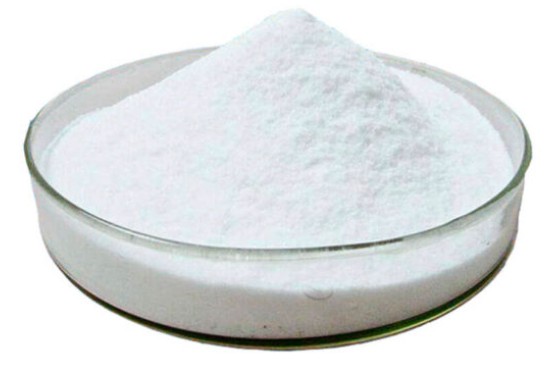
Benzocaine is an amino‑ester type local anesthetic that is primarily used as a topical agent on skin and mucous membranes. It is commonly incorporated into over‑the‑counter and professional products marketed for oral pain, sore throat, minor skin injuries, hemorrhoids, ear pain and sexual health. As a para‑aminobenzoic acid (PABA) ethyl ester, benzocaine typically appears as a white, crystalline powder that is practically insoluble in water but soluble in many organic solvents and oils.
Because of its physicochemical profile, benzocaine is especially suitable for topical dosage forms such as gels, creams, sprays, ointments, foams, lozenges and pastilles. In many countries, low‑dose benzocaine products are available without prescription, while higher strengths and certain dosage forms may fall under stricter medicinal regulations. For OEM and ODM partners, benzocaine is attractive because it can be flexibly integrated into a variety of product concepts and brand strategies.
Benzocaine exerts its effect by blocking the initiation and conduction of nerve impulses. It binds to and stabilizes voltage‑gated sodium channels in neuronal membranes, reducing sodium ion permeability and preventing the depolarization necessary for action potential generation. When these channels are blocked in peripheral sensory nerves, pain signals are not transmitted to the central nervous system.
The action of benzocaine is largely confined to the area where it is applied. Because it is poorly soluble in water and is usually used topically rather than systemically, its anesthetic effect remains localized and does not cause loss of consciousness. Onset of action is typically rapid, often within minutes, and the duration depends on factors such as concentration, formulation type, tissue thickness, occlusion and presence of vasoconstrictors. This combination of rapid onset and local confinement makes benzocaine a popular active ingredient in fast‑relief products.
Benzocaine is a key ingredient in many oral and oromucosal products designed to soothe pain and irritation in the mouth and throat. These include:
- Lozenges and pastilles used for sore throat, sore mouth, toothache, canker sores and minor oral injuries. Adults and older children typically use one lozenge dissolved slowly in the mouth every few hours, with a maximum daily number specified on the product label.
- Oral gels that are applied directly to painful areas such as gums, inner cheeks, tongue or canker sores. These gels deliver benzocaine right at the site of discomfort for rapid relief.
- Throat sprays that combine benzocaine with soothing excipients for sore throat and pharyngeal irritation. Such sprays help coat the mucosa, offering both anesthetic and mechanical relief.
For all oral and throat benzocaine products, responsible brands and manufacturers emphasize short‑term use, clear dosage instructions and prominent warnings, particularly regarding children and patients with underlying health conditions.
Benzocaine is also widely used on intact skin for temporary relief of minor injuries and irritations. Typical indications include small cuts and scrapes, minor burns, sunburn, insect bites, stings and mild rashes. Common formulations are:
- Creams, ointments and gels containing benzocaine in concentrations that provide quick but localized anesthesia. These products are usually applied as a thin layer on the affected area up to several times per day, avoiding large body surface areas.
- Sprays and foams intended for more extensive but still intact skin surfaces, such as sunburned shoulders or back. They allow convenient, hands‑off application and can be particularly attractive for consumer brands focused on after‑sun or outdoor care.
In OEM development, careful selection of emollients, humectants, film formers, preservatives and penetration enhancers is crucial to ensure both efficacy and tolerability. Formulators also need to take into account local regulatory categories, such as whether the product is classified as a drug, cosmetic or medical device.
In anorectal care, benzocaine is used to reduce pain, burning and itching associated with hemorrhoids and other minor rectal irritations. It is often combined with soothing and protective excipients such as mineral oil, petrolatum, zinc oxide and botanical extracts.
These products are typically offered as creams, ointments, suppositories and sprays. Directions usually restrict application to a few times per day and only to the affected external area for a specified period. For OEM partners, anorectal formulations require particular attention to rheology, spreadability, patient comfort and compatibility with packaging components such as applicators and valves.
In otic products, benzocaine is sometimes used alongside other agents to relieve pain associated with ear infections or inflammation when directed by a healthcare professional. These formulations may combine benzocaine with additional analgesic or anti‑inflammatory components in a solution or suspension that is instilled into the external ear canal.
Developing otic benzocaine products demands strict control of sterility or bioburden, appropriate viscosity for retention in the canal, minimal irritation to delicate ear tissues and robust closure systems to prevent contamination. Such products are generally positioned for pharmacy channels and professional recommendation rather than purely general retail.
Benzocaine is also used in certain topical sexual wellness products designed to reduce penile sensitivity and help manage premature ejaculation. These commonly take the form of gels, creams or sprays applied to the glans penis shortly before intercourse, then wiped or washed off following the instructions on the label.
The main formulation challenge is to deliver enough anesthetic effect to prolong latency while minimizing transfer of the active ingredient to the partner and avoiding irritation of genital mucosa. For OEM clients, this category requires close alignment with regulatory guidance, brand positioning and consumer expectations on discreteness, odor, taste and overall sensory feel.
While benzocaine is generally well tolerated when used as directed, it can cause local side effects. Typical reactions include redness, mild burning or stinging on application, itching, dryness and peeling or scaling of the treated skin or mucosa. Some individuals may develop contact dermatitis or allergic reactions, particularly those with known sensitivity to PABA or related compounds.
These reactions are usually reversible after discontinuation of the product. To reduce the risk of local irritation, OEM formulations can incorporate soothing agents like aloe, panthenol, allantoin or glycerin and use non‑sensitizing preservatives and fragrances. Clear on‑pack instructions should advise users to discontinue use and seek medical advice if irritation or rash worsens or persists.
A critical safety concern associated with benzocaine is methemoglobinemia, a rare but potentially life‑threatening blood disorder in which hemoglobin is converted into a form that carries reduced amounts of oxygen. Symptoms can include pale, gray or blue skin, lips or nail beds, shortness of breath, fatigue, confusion, headache, lightheadedness and rapid heartbeat. Symptoms may appear within minutes to a couple of hours after benzocaine use.
Regulatory agencies in multiple countries have warned that over‑the‑counter benzocaine gels and liquids applied to the gums, mouth or throat are associated with methemoglobinemia, even after a single application and at commonly used concentrations. As a result, many product labels carry strong warnings and some regulators specifically advise against using benzocaine oral products for teething pain in infants. These safety communications influence not only finished product labeling but also formulation decisions and target age groups in OEM projects.
Certain populations are at higher risk for benzocaine‑related adverse events and therefore require special caution. These include:
- Infants and young children, particularly under 2 years of age, for whom benzocaine oral products are often contraindicated.
- Patients with preexisting blood disorders such as congenital methemoglobinemia, G6PD deficiency or pyruvate kinase deficiency.
- Individuals with significant heart disease, respiratory conditions like asthma, bronchitis or emphysema, or those using oxidizing drugs that can also promote methemoglobinemia.
For such patients, medical professionals may recommend alternative treatments or advise against benzocaine entirely. Brand owners and OEM manufacturers must incorporate these restrictions and warnings clearly into product labels, instructions for use and promotional materials, aligning with local regulations in each target market.
The regulatory status of benzocaine products varies by country and by intended use. In many jurisdictions, low‑dose benzocaine products for minor pain relief may be sold as non‑prescription drugs, while higher strengths or certain indications (such as otic solutions or products for premature ejaculation) may require formal marketing authorization. In other cases, benzocaine in combination with specific excipients or delivery systems may be categorized as a medical device or even as a cosmetic, depending on the claimed primary mode of action.
For OEM and ODM partners, understanding the intended market classification at the beginning of a project is crucial. This classification influences formulation design, documentation needs, permissible claims, labeling content, pharmacovigilance responsibilities and post‑market surveillance obligations. Manufacturers must also keep track of evolving guidance and safety communications from national authorities and international bodies to ensure ongoing compliance.
High‑quality benzocaine products depend on robust sourcing, manufacturing and quality control. This begins with qualified raw materials, including active pharmaceutical ingredients that meet pharmacopoeial standards and carry complete certificates of analysis. During production, processes should follow Good Manufacturing Practice (GMP) with validated methods, in‑process controls and appropriate environmental monitoring.
Comprehensive documentation is essential to support regulatory submissions and customer audits. Typical dossiers include product specifications, validated test methods, stability data under different ICH conditions, impurity profiles, microbial limits, packaging compatibility data and detailed batch records. For multinational brands, it is particularly important that the OEM factory can generate and maintain consistent documentation packages in formats accepted by various regulatory agencies.
As a professional Chinese factory engaged in biotechnology, pharmaceutical health and medical device R&D, production and sales, supplybenzocaine.co.uk is positioned to support international brand owners, wholesalers and manufacturers with flexible benzocaine OEM and ODM solutions. The company can help partners translate their market needs into robust finished products that combine efficacy, safety, compliance and attractive consumer experience.
OEM clients often have specific requirements regarding target indications, dosage strengths, sensory properties, packaging formats and price points. To meet these expectations, a dedicated formulation team can design customized benzocaine‑based products such as:
- Oral gels, sprays and lozenges tailored to local flavor preferences, sweetness levels, viscosity ranges and mucosal adhesion.
- Dermatological creams, lotions, gels, sprays and foams that deliver rapid soothing while remaining non‑greasy, easy to spread and cosmetically elegant.
- Anorectal creams, ointments and sprays for hemorrhoid relief that balance anesthetic power with mildness and protective effects.
- Otic formulations with appropriate viscosity, drop accuracy and minimal irritancy for delicate ear tissues.
- Sexual wellness products that optimize the anesthetic profile while maintaining pleasant texture, fast absorption and low transfer to partners.
The development process can include laboratory bench trials, pilot‑scale manufacturing, stability studies and scale‑up validation, ensuring that the final formula performs consistently from batch to batch.
A modern facility with appropriately designed cleanrooms and production lines can support diverse dosage forms, including liquids, semi‑solids and solid oral forms. Equipment such as high‑shear mixers, vacuum emulsifiers, homogenizers, tube and bottle filling lines, blister packaging and automated cartoners allows efficient and scalable production.
Beyond manufacturing, technical support may include assistance with product registration, preparation of regulatory documents, creation of English and multilingual labeling texts, and coordination of analytical method transfer. OEM customers benefit from a single partner that can manage the full lifecycle from concept to market launch, simplifying supply chains and reducing development timelines.
From a marketing perspective, benzocaine products can be positioned as fast‑acting relief solutions in several categories. Successful brands differentiate themselves through formulation features, flavors, textures, packaging convenience and additional functional benefits such as moisturizing, cooling or soothing botanicals. For example, an after‑sun gel with benzocaine can be combined with aloe vera and panthenol in a non‑sticky formula presented in a spray or pump bottle for easy application.
When designing brand concepts, it is important to align product claims and visual language with regulatory rules in the destination market. Claims such as “numbs pain quickly,” “provides fast temporary relief” or “helps relieve sore throat discomfort” must be supported by the product's mode of action and legal classification. OEM partners with strong regulatory and scientific understanding can help ensure that marketing materials remain compliant while still resonating with consumers.
Benzocaine is a versatile local anesthetic that plays an important role in oral care, dermatology, anorectal products, otic preparations and sexual wellness applications. By blocking sodium channels in peripheral nerves, it provides rapid and localized pain relief without affecting consciousness. At the same time, benzocaine requires careful attention to safety, particularly regarding the risk of methemoglobinemia, age restrictions and patient populations with underlying health issues.
For brand owners and manufacturers, working with an experienced OEM factory capable of high‑quality benzocaine formulation and production is essential. As a Chinese manufacturer focused on biotechnology, pharmaceutical health and medical devices, supplybenzocaine.co.uk offers comprehensive R&D, manufacturing and documentation support for benzocaine‑containing products in multiple dosage forms and indications. If your company is exploring new benzocaine formulations or looking to upgrade existing product lines, now is an ideal time to consult with a specialized partner, share your target markets and specifications, and develop competitive solutions that meet regulatory and consumer expectations. Contact supplybenzocaine.co.uk to start your next benzocaine OEM project and bring differentiated, compliant products to global customers.
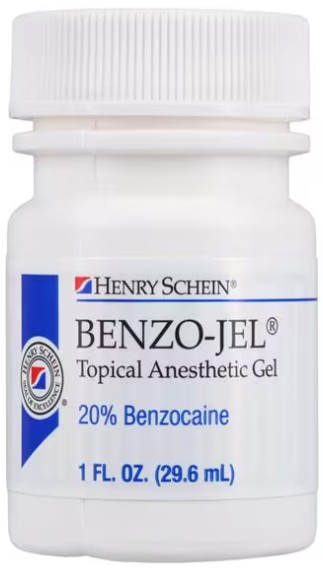
Benzocaine is used for temporary relief of pain and irritation from sore throat, sore mouth, toothache, canker sores, minor oral procedures, small cuts and scrapes, insect bites, minor burns, sunburn and hemorrhoids. It is also present in some ear drops and certain sexual wellness products for premature ejaculation. These uses rely on its ability to numb the localized area where it is applied.
Benzocaine products should be applied only to the affected area in the smallest amount that provides relief and only for the period recommended on the label or by a healthcare professional. They should not be used on large areas of the body, on deep or puncture wounds, serious burns, or extensively broken or irritated skin unless advised by a doctor. Users should stop the product and seek medical help if they experience worsening irritation, rash, difficulty breathing, dizziness or blue‑colored lips or skin.
Many regulatory authorities advise against the use of benzocaine oral products for teething or mouth pain in infants and very young children, especially under 2 years of age, due to the risk of methemoglobinemia. For older children, only age‑appropriate formulations should be used strictly according to labeling instructions or medical advice. Parents and caregivers should always read the warnings carefully and consult a healthcare professional when in doubt.
The most common side effects of benzocaine are local reactions such as redness, burning, stinging, itching or minor allergic responses at the site of application. A rare but serious risk is methemoglobinemia, a condition where the blood carries less oxygen, which can be life‑threatening if not promptly treated. People with certain blood, heart or lung conditions, or those taking specific medications, may be at increased risk and should discuss benzocaine use with their healthcare provider.
An experienced Chinese OEM benzocaine manufacturer can offer cost‑effective production, flexible minimum order quantities, and a broad range of dosage forms and packaging options. With strong R&D capability, such a partner can help adapt formulations to different regulatory environments and consumer preferences worldwide. By working with a factory that understands international quality standards, documentation requirements and safety expectations, brand owners can bring benzocaine‑based products to market more efficiently and competitively.
1. https://www.mayoclinic.org/drugs-supplements/benzocaine-topical-application-route/description/drg-20072913
2. https://www.rxlist.com/benzocaine/generic-drug.htm
3. https://pharmacyservices.utah.edu/alerts/2018/06/benzocaine-over-counter-products-can-increase-risk-of-serious-or-life-threateni
4. https://www.chemicalbook.com/article/benzocaine-mechanism-of-action-uses-toxicity.htm
5. https://www.mayoclinic.org/drugs-supplements/benzocaine-oral-route-oromucosal-route/description/drg-20072824
6. https://www.fda.gov/drugs/drug-safety-and-availability/fda-drug-safety-communication-reports-rare-serious-and-potentially-fatal
7. https://go.drugbank.com/drugs/DB01086
8. https://www.webmd.com/drugs/2/drug-164078/boil-ease-benzocaine-topical/details
9. https://my.clevelandclinic.org/health/drugs/20991-benzocaine-dental-or-oral-gel-paste-or-solution
10. https://en.wikipedia.org/wiki/Benzocaine
Hot tags: Benzocaine Uses, Benzocaine Side Effects, Benzocaine Mechanism, Benzocaine for Pain Relief, Benzocaine Dental Gel, Benzocaine Topical Application, Benzocaine Over-the-Counter, Benzocaine for Sore Throat, Benzocaine Safety Warnings, Benzocaine Numbing Agent