Content Menu
● Understanding Benzocaine and Its Uses
● Legal Status of Benzocaine Powder
>> China
● Safety Considerations and Risks
● Manufacturing Standards and Quality Control
>> Good Manufacturing Practices (GMP)
● Applications and Industry Insights
● Frequently Asked Questions (FAQ)
>> 1. Is benzocaine powder legal to import for pharmaceutical manufacturing?
>> 2. Can benzocaine powder be used directly on skin or mucous membranes?
>> 3. Are there any age restrictions for using benzocaine products?
>> 4. What certifications should be prioritized when sourcing benzocaine powder?
>> 5. Can benzocaine powder be legally used as a drug cutting agent?
Benzocaine powder is a widely recognized topical local anesthetic used across various industries, including biotechnology, pharmaceuticals, and medical devices. Known primarily for its numbing effect, benzocaine helps relieve pain and discomfort ranging from minor skin irritations to oral and surgical pain. As a key ingredient in numerous over-the-counter (OTC) and prescription medications, benzocaine's utility extends across gels, sprays, lozenges, creams, and powder forms.
Understanding the legal status of benzocaine powder is essential for manufacturers, brand owners, wholesalers, and distributors operating in global markets. The regulatory environment around benzocaine varies considerably depending on geographic location and intended use. Furthermore, safety concerns and potential misuse require stringent oversight by health authorities.
In this comprehensive article, we explore the properties and applications of benzocaine powder, analyze its legal framework in key countries such as the United Kingdom, the United States, and China, and highlight important safety considerations. We also examine manufacturing practices and provide actionable insights for businesses interested in sourcing or producing benzocaine powder.
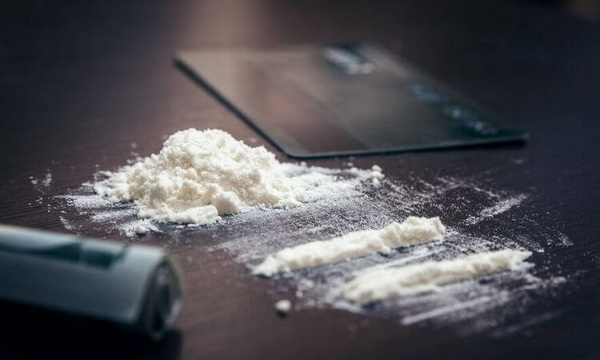
Benzocaine (ethyl 4-aminobenzoate) belongs to a class of ester local anesthetics. It works by temporarily blocking nerve signals in the body, effectively numbing the area where applied. Benzocaine's numbing properties make it one of the most popular topical anesthetics globally.
Common applications of benzocaine include:
- Oral and Throat Pain Relief: Benzocaine is frequently used in lozenges, sprays, and gels to relieve sore throats, mouth ulcers, and toothaches.
- Ear Pain and Earwax Removal: Otic solutions containing benzocaine help alleviate pain and soften earwax.
- Skin Conditions: Benzocaine-containing creams and sprays are used to combat minor burns, insect bites, sunburn, hemorrhoids, and other skin irritations.
- Sexual Health Products: It is an active ingredient in some condoms and topical sprays aimed at delaying ejaculation by reducing sensitivity.
Benzocaine's physical form includes powders, which manufacturers blend into final dosage forms such as gels or creams. Pure benzocaine powder is rarely used directly on skin due to safety concerns and formulation complexities.
The legality of benzocaine powder is multifaceted and varies significantly by country, due in part to concerns about safety, potential for abuse, and pharmaceutical controls.
In the UK, benzocaine is classified as a legal pharmaceutical ingredient. It is commonly used in licensed medicines and healthcare products. However, raw benzocaine powder is subject to stricter regulations due to its potential misuse as an adulterant or cutting agent in illicit drugs such as cocaine. The Serious Crime Act 2015 empowers UK authorities to confiscate suspicious quantities of benzocaine powder intended for unlawful use. Consequently, importers and manufacturers must hold appropriate licenses and comply with regulatory oversight.
The legitimate industrial demand for benzocaine powder in the UK is relatively limited, which informs the strict monitoring of large-scale imports. Pharmaceutical-grade benzocaine products manufactured in clean facilities and adhering to Good Manufacturing Practice (GMP) standards face no regulatory barriers when marketed correctly.
In the US, benzocaine is approved by the Food and Drug Administration (FDA) for use as a local anesthetic in OTC and prescription products with limitations. The FDA mandates clear warning labels on benzocaine oral drug products to alert consumers, particularly regarding risks in children under two years of age. The agency has also issued safety advisories about benzocaine sprays, noting they are not approved for anesthetizing mucous membranes in the mouth and throat.
Benzocaine powder itself is regulated as a pharmaceutical raw material. To import or manufacture benzocaine in the US requires adherence to stringent quality controls, certifications, and regulatory compliances enforced by the FDA and Drug Enforcement Administration (DEA). Products intended for human use must meet pharmacopeial standards, while misuse as a cutting agent or for illegal purposes triggers enforcement actions.
China is a major global supplier and manufacturer of benzocaine powder, serving both domestic and international pharmaceutical, biotechnology, and medical device markets. Chinese manufacturers typically operate in compliance with international regulatory frameworks, including GMP and ISO certifications.
The Chinese government regulates benzocaine production under chemical safety and drug manufacturing laws. Exporters provide benzocaine that meets pharmacopeial standards, and many factories are equipped for high-volume OEM manufacturing to supply benzocaine powders and formulated products worldwide. Buyers can source quality-certified benzocaine powders from China with confidence, provided the supplier operates transparently and matches the buyer's compliance requirements.
While benzocaine is widely regarded as safe when used properly in topical applications, safety concerns persist—largely centered around methemoglobinemia, a rare but serious blood disorder.
Methemoglobinemia occurs when benzocaine oxidizes iron in hemoglobin molecules to methemoglobin, which cannot effectively carry oxygen in the blood. This condition leads to symptoms including cyanosis (bluish skin discoloration), headache, dizziness, and in severe cases, respiratory distress or death. Infants, young children, and sensitive individuals are at greater risk.
Due to these risks, regulatory bodies strongly advise caution with benzocaine products:
- Labeling Requirements: Products must display clear dosage instructions, age limits, and warnings about potential side effects.
- Age Restrictions: Benzocaine should generally not be used in children below two years, consistent with guidelines from the FDA and other health agencies.
- Formulation Controls: Raw benzocaine powder should be carefully processed into formulated dosage forms by pharmaceutical manufacturers to ensure safe delivery and dosing.
- Usage Monitoring: Healthcare professionals and users must adhere strictly to recommended usage to minimize adverse events.
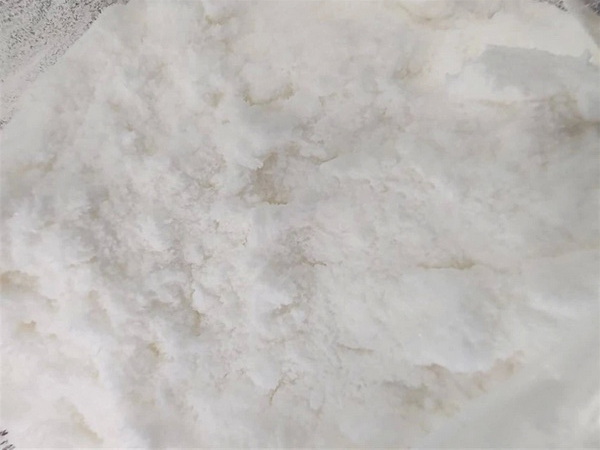
Producing benzocaine powder for pharmaceutical or health product use demands rigorous manufacturing and quality controls to meet international standards.
GMP-compliant production facilities apply detailed protocols covering:
- Raw material sourcing and verification
- Controlled synthesis and purification processes
- Quality testing for purity, particle size, and contaminants
- Stability testing and packaging under controlled environments
Many manufacturers also pursue ISO 9001 and ISO 13485 certifications, underscoring their commitment to quality management systems particularly relevant in medical device and pharmaceutical sectors.
For international brand owners and distributors, partnering with certified Chinese OEM factories offers tailored benzocaine powder production aligned with customer specifications, regulatory needs, and shipment requirements. These collaborations can extend beyond production to include formulation development, documentation support, and after-sales service, helping brands remain competitive globally.
Benzocaine powder's versatility underpins its widespread use in multiple industry sectors:
- Pharmaceuticals: Active pharmaceutical ingredient (API) in topical anesthetics and combination therapies.
- Cosmetics and Personal Care: Numbing agents in specialized skincare, tattoo numbing products, and hair removal creams.
- Medical Devices: Components of certain wound care and oral care device coatings.
- Sexual Wellness: Found in delay sprays and condoms designed to reduce sensitivity.
Market trends indicate growing demand for safe, high-purity benzocaine powders tailored for incorporation into novel delivery systems, including sprays, gels, and patches. Innovations in formulation and green chemistry approaches emphasize sustainability and reduced side effects, shaping the future outlook for benzocaine use worldwide.
Benzocaine powder is a legal and essential ingredient in various medical, pharmaceutical, and health-related products globally. Its legal status is jurisdiction-dependent, with countries like the UK and US imposing strict regulatory controls primarily to curb misuse and ensure consumer safety. China remains a leading manufacturer and exporter of high-quality benzocaine powder, marrying advanced manufacturing standards with compliance frameworks.
Safety concerns, particularly around methemoglobinemia, have led to rigorous labeling, usage restrictions, and product formulation practices to safeguard public health. For international buyers seeking reliable benzocaine powder suppliers, partnering with certified OEM manufacturers in China offers a balanced combination of quality, compliance, and competitive cost.
If you are interested in sourcing benzocaine powder or require expert OEM services tailored to your specifications, please contact us today to discover how we can support your pharmaceutical and healthcare product initiatives with trusted, compliant, and high-quality benzocaine solutions.

Yes, benzocaine powder is legal for import and use in pharmaceutical manufacturing provided proper licenses are obtained and regulatory standards are strictly followed to prevent illicit applications.
No, it is not recommended to apply raw benzocaine powder directly due to safety risks. Properly formulated gels, sprays, or creams containing benzocaine are designed for safe topical use.
Yes, benzocaine-containing products are generally contraindicated for children under two years due to risks of methemoglobinemia. Always follow official guidelines and product instructions.
Manufacturers should hold GMP and ISO certifications and comply with pharmacopeial quality standards, ensuring product purity, safety, and regulatory conformity.
No. While benzocaine powder is legally manufactured and sold for pharmaceutical use, its use as a drug cutting agent in illicit narcotics is illegal and subject to law enforcement actions.
[1] https://www.legislation.gov.uk/ukpga/2015/9/notes/division/3/4/data.xht?view=snippet&wrap=true
[2] https://assets.publishing.service.gov.uk/media/5a7f149440f0b62305b84f30/Factsheet_-_Cutting_agents_-_Act.pdf
[3] https://www.legislation.gov.uk/ukpga/2015/9/notes/division/3/4/1
[4] https://www.bbc.com/news/uk-10909884
[5] https://en.wikipedia.org/wiki/Benzocaine
[6] https://www.rxlist.com/benzocaine/generic-drug.htm
[7] https://www.fda.gov/drugs/postmarket-drug-safety-information-patients-and-providers/safety-information-benzocaine-containing-products
[8] https://www.fda.gov/drugs/drug-safety-and-availability/risk-serious-and-potentially-fatal-blood-disorder-prompts-fda-action-oral-over-counter-benzocaine
[9] https://www.made-in-china.com/products-search/hot-china-products/Benzocaine_Powder.html
[10] https://www.bloomtechz.com/synthetic-chemical/api-researching-only/pure-benzocaine-powder-cas-94-09-7.html
[11] https://www.made-in-china.com/products-search/hot-china-products/Benzocaine_Powder_Supplier.html
[12] https://www.bloomtechz.com/showroom/pure-benzocaine-powder/
[13] https://ca.jianfengchemical.com/anesthetic-products/pure-benzocaine-powder.html
[14] https://go.drugbank.com/drugs/DB01086
[15] https://www.gov.uk/government/news/action-to-tackle-drug-cutting-agents
[16] https://www.mayoclinic.org/drugs-supplements/benzocaine-topical-application-route/description/drg-20072913
[17] https://www.sepa.org.uk/media/594165/20220329-approved-trps-benzocaine.pdf
[18] https://www.mayoclinic.org/drugs-supplements/benzocaine-oral-route-oromucosal-route/description/drg-20072824
[19] https://www.gov.uk/government/publications/controlled-drugs-list--2
[20] https://www.ncbi.nlm.nih.gov/books/NBK541053/