Content Menu
● Chemical Structure and Classification
>> Procaine
● Pharmacological Effects and Clinical Uses
>> Procaine
>> Procaine
● Potential Overlaps and Interactions
● Clinical Evidence and Comparative Studies
● Broader Pharmacological Context
>> Dextromethorphan's Comparison with Other Antitussives
● FAQ
>> 1. Can dextromethorphan cause dependency or abuse?
>> 2. Is procaine still used in modern clinical practice?
>> 3. What are the main risks of combining dextromethorphan with other drugs?
>> 4. How does dextromethorphan compare to opioids for cough suppression?
>> 5. Are there optimized OEM formulations for these drugs?
Dextromethorphan and procaine are two Pharmacologically distinct drugs, widely used in medical practice but serving vastly different purposes. Dextromethorphan is primarily a cough suppressant with some neuroactive properties, while procaine is a local anesthetic used to numb tissues during minor surgical procedures or dental work. Although they are both utilized in clinical settings, their mechanisms, applications, and chemical structures differ significantly. This article provides an in-depth comparison, addressing their pharmacology, mechanisms of action, medical uses, and the potential similarities or differences between the two.
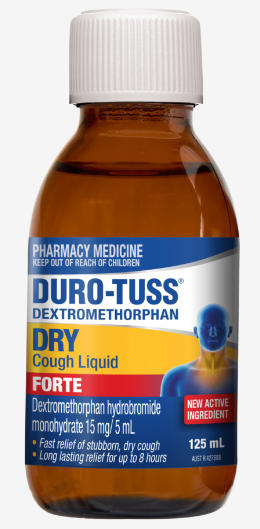
Dextromethorphan (DXM) belongs to the morphinan class of medications, closely related to opioids but lacking significant opioid receptor activity. Its chemical structure features a methoxy group and a methylated morphinan skeleton, making it a non-opioid, dissociative agent at high doses.
- Chemically, it is identified as (+)-3-methoxy-17-methyl-9α,13α,14α-morphinan.
- It is marketed under various brand names, including Robitussin, and is available as the hydrobromide salt for medicinal use.
Procaine, also known as novocaine, is a synthetic amino ester local anesthetic. Its structure comprises a benzoic acid ester linked to diethylaminoethanol.
- It is classified as an amino ester anesthetic, with the chemical formula C13H20N2O2.
- It is primarily used for local anesthesia in dental and minor surgical procedures.
While dextromethorphan's structure is related to morphinan opioids, procaine's chemical makeup is entirely different, emphasizing its role as a local anesthetic rather than a central nervous system agent.
Dextromethorphan is primarily used as an antitussive (cough suppressant). It acts centrally in the brain to suppress the cough reflex. Its pharmacological profile also includes:
- NMDA receptor antagonism, producing dissociative effects at high doses.
- Sigma-1 receptor agonism with potential neuroprotective effects.
- Serotonin reuptake inhibition, which can lead to serotonin syndrome if combined with other serotonergic drugs.
Medical applications include:
- Over-the-counter cough and cold preparations.
- Experimental use as an antidepressant when combined with other agents, such as bupropion.
Procaine's main application is as a local anesthetic. It works by blocking voltage-gated sodium channels in nerve fibers, preventing nerve depolarization and transmission.
Uses include:
- Dental procedures.
- Minor surgeries or diagnostic procedures requiring localized numbness.
- Occasionally, in pain management for specific areas.
| Drug | Primary Use | Mode of Action |
|---|---|---|
| Dextromethorphan | Cough suppression, neuroprotective | NMDA receptor antagonism, serotonin modulation |
| Procaine | Local anesthesia | Sodium channel blockade |
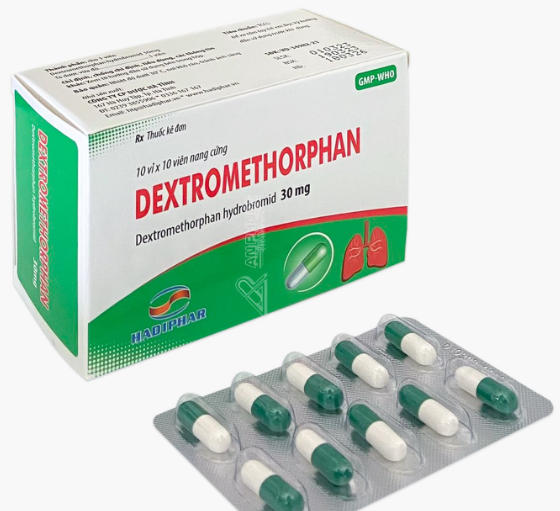
The complex pharmacodynamics of dextromethorphan involve:
- Suppression of cough centers in the brainstem through NMDA receptor antagonism.
- Acting on sigma-1 receptors, which may be related to its neuroprotective or psychotropic effects.
- Mild serotonin reuptake inhibition, which at high doses can lead to serotonin syndrome if interacting with other serotonergic medications.
Procaine exerts its anesthetic effect primarily through:
- Binding to voltage-gated sodium channels in nerve membranes.
- Stabilizing the neuronal membrane and preventing the influx of sodium ions.
- Hindering the initiation and propagation of action potentials, resulting in loss of sensation in the targeted area.
| Aspect | Dextromethorphan | Procaine |
|---|---|---|
| Primary system targeted | Central nervous system | Peripheral nerve fibers |
| Main receptor interaction | NMDA, sigma-1, serotonin transporter | Voltage-gated sodium channels |
| Effect | Cough suppression, dissociative states | Local numbness and pain relief |
Although chemically dissimilar, potential interactions between dextromethorphan and procaine could arise when administered concurrently, particularly concerning serotonergic toxicity. Dextromethorphan's serotonergic activity can increase the risk of serotonin syndrome, especially if combined with other serotonergic agents, including local anesthetics like procaine in some rare cases.
- Enhanced neurotoxicity when used together in high doses.
- Increased risk of serotonin syndrome, characterized by agitation, hallucinations, and autonomic instability.
Research comparing the analgesic efficacy of dextromethorphan to traditional anesthetics like lidocaine is limited but growing. Some studies suggest that dextromethorphan gargling can improve recovery quality and pain relief after certain procedures, indicating its potential analgesic properties beyond cough suppression.
- A study indicated that dextromethorphan gargling may have analgesic effects comparable to lidocaine during endoscopic procedures.
- Other investigations show dextromethorphan's efficacy in reducing cough reflex sensitivity, especially in infectious or irritative conditions.
Some research highlights dextromethorphan's role as a "double-edged" drug, with therapeutic benefits and potential for abuse at high doses, leading to dissociative and hallucinogenic effects.
- Recreational misuse involves high doses, resulting in dissociation, hallucinations, and euphoria.
- Long-term abuse can lead to neurotoxicity and dependence, making it a drug of concern in certain populations.
- It generally exhibits a modest cough suppression effect.
- Many studies show its efficacy is comparable with other antitussives like levodropropizine, but only at higher doses and in specific conditions.
Dextromethorphan and procaine are distinctly different yet crucial pharmacological agents in modern medicine. Dextromethorphan's unique receptor activity offers diverse applications from cough suppression to neuropsychiatric treatments, while procaine remains a cornerstone in local anesthesia. For biotech, pharmaceutical, and medical device companies seeking OEM manufacturing, understanding these differences is essential to develop safe, effective products tailored to global markets. We invite you to contact us at SupplyBenzocaine.co.uk to leverage our expertise in custom cannabinoid, opioid, and anesthetic solutions, ensuring your success in the competitive healthcare landscape.
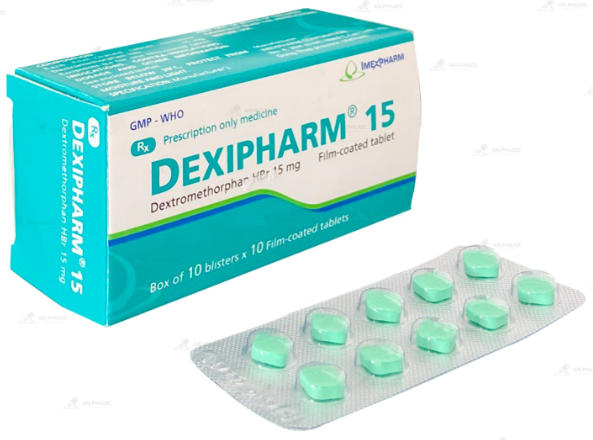
Yes, at high doses, dextromethorphan can produce dissociative and hallucinogenic effects, resulting in potential misuse and addiction, particularly among adolescents.[8]
While largely replaced by newer anesthetics like lidocaine, procaine remains used in some specific applications, especially in regions or practices favoring ester anesthetics.[3]
The combination may enhance serotonergic activity, increasing the risk of serotonin syndrome, as well as potential neurotoxicity or adverse drug interactions.[9]
While chemically related to opioids, dextromethorphan provides cough suppression without significant opioid receptor activity, reducing the risk of dependence and respiratory depression.[4]
Yes, reputable OEM manufacturers like SupplyBenzocaine.co.uk offer customized formulations, including encapsulations, syrups, patches, and inhalers, with strict quality controls to meet international healthcare standards.
[1](https://pubmed.ncbi.nlm.nih.gov/23592248/)
[2](https://www.sciencedirect.com/science/article/pii/S1526590006008352)
[3](https://go.drugbank.com/drugs/DB00721)
[4](https://en.wikipedia.org/wiki/Dextromethorphan)
[5](https://www.sciencedirect.com/science/article/pii/S2405603023000213)
[6](https://pmc.ncbi.nlm.nih.gov/articles/PMC11060423/)
[7](https://secure.medicalletter.org/TML-article-1562b)
[8](https://americanaddictioncenters.org/dextromethorphan-dxm)
[9](https://go.drugbank.com/drugs/DB00514)
Hot tags: Dextromethorphan Uses, Procaine Effects, Dextromethorphan vs Procaine, Cough Suppressant Comparison, Procaine Mechanism of Action, Dextromethorphan Side Effects, Procaine Drug Interactions, Dextromethorphan Pharmacology, Procaine Clinical Uses, Dextromethorphan Safety Profile