Content Menu
>> Chemical Structure and Pharmacology
>> Chemical Structure and Pharmacology
>> Safety Profile and Side Effects
● In-Depth Comparison of Marcaine and Procaine
● FAQ
>> 1. What are the main differences in chemical composition between Marcaine and Procaine?
>> 2. Which anesthetic is safer for short procedures?
>> 3. Why is Marcaine preferred for epidural anesthesia?
>> 4. Can they be used interchangeably?
>> 5. What precautions should be taken when administering Marcaine?
In the realm of local anesthetics, brands and active ingredients can often lead to confusion among healthcare providers, patients, and manufacturers. Two well-known agents—Marcaine, whose active ingredient is bupivacaine, and Procaine, also known as Novocain—are widely used, yet they differ significantly in their chemical structures, pharmacokinetics, and clinical applications.
Understanding these differences is essential for selecting the appropriate anesthetic for specific procedures, maximizing safety, and optimizing patient outcomes. This article provides an extensive comparison of Marcaine and Procaine, including their chemical nature, mechanisms of action, toxicity profiles, and clinical uses, supported by scientific research and expert insights.
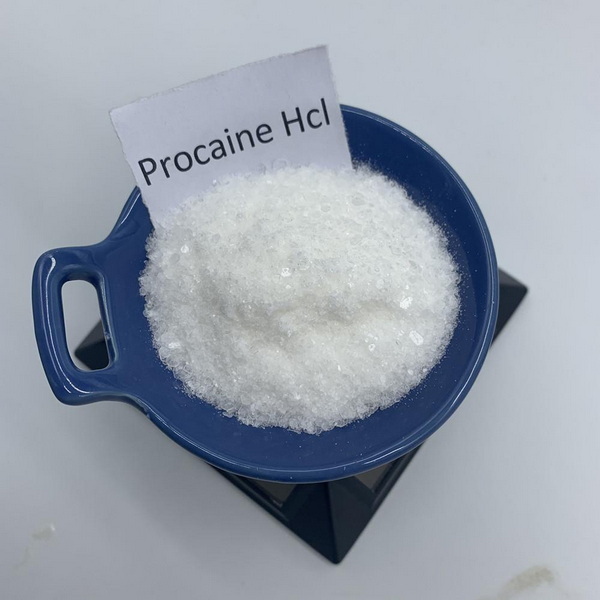
Procaine is a short-acting ester-type local anesthetic introduced in the early 20th century. It has a longstanding history of use mainly in dental procedures and minor surgeries due to its rapid onset and short duration of action.
- Procaine is chemically classified as an amino-ester, specifically 2-Diethylaminoethyl p-aminobenzoate.
- It is hydrolyzed in plasma by pseudocholinesterases into para-aminobenzoic acid (PABA), which is responsible for allergic reactions in some patients.
- Its relatively poor lipid solubility results in a slower onset and shorter duration compared to amide anesthetics.
- Primarily used for infiltration anesthesia and nerve blocks.
- Suitable for short, minor procedures where quick recovery is desired.
- Its vasodilatory properties make it ideal for use with epinephrine to prolong duration and reduce bleeding.
Procaine exerts its effect by blocking voltage-gated sodium channels on neuronal membranes, thereby preventing the generation and conduction of nerve impulses. This blockade leads to localized numbness.
Procaine's toxicity is relatively low, with allergic reactions being the most notable adverse effect due to PABA metabolites. Its short duration limits its use in procedures requiring prolonged anesthesia.
Marcaine is a brand name for Bupivacaine, a long-acting amide-type local anesthetic. It is favored for procedures requiring extended pain relief due to its prolonged duration of action.
- Bupivacaine belongs to the amide class of local anesthetics, with a chemical structure that confers greater chemical stability.
- It is metabolized predominantly in the liver via hepatic cytochrome P450 enzymes.
- Its lipophilicity results in a slow onset but long-lasting anesthesia.
- Widely used for epidural anesthesia during labor and major surgeries.
- Suitable for regional nerve blocks, including spinal and peripheral nerve blocks.
- Often combined with vasoconstrictors like epinephrine to extend duration and reduce systemic absorption.
Like Procaine, Bupivacaine blocks voltage-gated sodium channels but remains bound longer within the nerve membrane, resulting in extended anesthetic effect.
- Considered potent and long-lasting, but carries a higher risk of cardiotoxicity and central nervous system toxicity if administered improperly or in excessive doses.
- Careful dosing and monitoring are essential, especially in high-risk patients.
| Feature | Procaine | Marcaine (Bupivacaine) |
|---|---|---|
| Chemical Class | Ester | Amide |
| Onset of Action | Faster (2-5 minutes) | Slower (up to 20 minutes) |
| Duration of Action | Short (30-60 minutes) | Long (2-8 hours) |
| Metabolism | Hydrolyzed by plasma esterases | Hepatic metabolism in liver |
| Toxicity | Lower toxicity, allergic due to PABA | Higher potency, cardiotoxic at high doses |
| Clinical Use | Dental, minor surgery, infiltration anesthesia | Epidural, regional, major surgeries |
Research demonstrates that while Procaine is associated with fewer long-term systemic effects, its short duration limits its application in surgeries requiring extended anesthesia. Conversely, Bupivacaine (Marcaine) provides prolonged analgesia but requires careful handling due to its potential toxicity at higher concentrations.
- A study comparing the neurotoxicity of local anesthetics indicates that Procaine exhibits lower neurotoxicity in neuronal cultures, highlighting its safety profile for short procedures.
- Laboratory studies on mitochondrial effects show that Bupivacaine's longer exposure can induce mitochondrial dysfunction, underscoring its potency and potential toxicity at high doses.
- Use in outpatient procedures: Procaine is ideal for quick, minor interventions due to its rapid onset and short duration.
- Regional anesthesia: Marcaine is favored for procedures requiring extended anesthesia, such as epidurals and nerve blocks.
- Toxicity management: Employ low doses and monitor for signs of systemic toxicity, particularly with Bupivacaine.
In summary, Marcaine (bupivacaine) and Procaine are distinct yet related local anesthetics used in diverse clinical settings. Marcaine's long-lasting effects make it suitable for pain management in surgeries and epidurals, whereas Procaine's quick onset and short duration serve minor, outpatient procedures. Understanding their chemical structures, pharmacological effects, and safety profiles ensures optimal application and patient safety.
If your company is engaged in biotechnology, pharmaceutical manufacturing, or medical device production, and you require high-quality OEM services for local anesthetic formulations, connect with us today for customized solutions tailored to your needs.
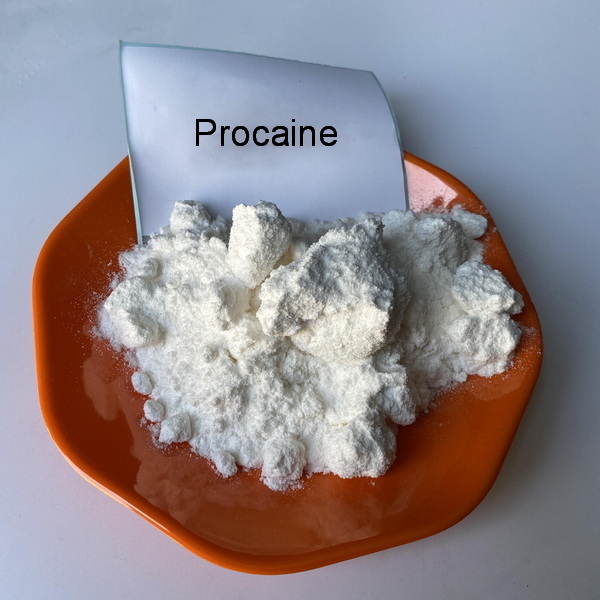
- Procaine is an ester local anesthetic, hydrolyzed rapidly in plasma, while Marcaine (bupivacaine) is an amide, metabolized mainly in the liver, resulting in different durations and toxicities.
- Procaine is generally considered safer for minor, short procedures due to its lower toxicity and shorter duration, but it offers less prolonged anesthesia.
- Its long-lasting and stable properties make Marcaine suitable for epidural blocks, providing extended pain relief during major surgeries and labor.
- No, due to their different pharmacokinetics and toxicity profiles, they are chosen based on procedure length and patient safety considerations.
- Proper dosing, monitoring for signs of toxicity, and avoiding intravascular injection are critical, especially given its cardiotoxic potential at high doses.
[1](https://www.nature.com/articles/srep45316)
[2](https://pubmed.ncbi.nlm.nih.gov/12818948/)
[3](https://www.clevelandclinicmeded.com/medicalpubs/pharmacy/JanFeb2001/localanestheticcompare.htm)
[4](https://pubmed.ncbi.nlm.nih.gov/3662064/)
[5](https://onlinelibrary.wiley.com/doi/10.1155/2017/9804693)
[6](https://www.sciencedirect.com/science/article/pii/S0021519819528967)
Hot tags: Procaine Comparison, Marcaine Effectiveness, Procaine Mechanism of Action, Marcaine Anesthetic Properties, Procaine Safety Profile, Marcaine Clinical Uses, Procaine Injection Techniques, Marcaine Pharmacology, Procaine Pain Management, Marcaine Anesthesia Guidelines