Content Menu
● Is Lidocaine Soluble in NaOH or HCl?
● Chemical Structure and Forms of Lidocaine
● Effect of pH on Lidocaine Solubility
● Solubility of Lidocaine in NaOH
● Solubility of Lidocaine in HCl
● Mechanism of Lidocaine Action Related to Solubility
● Industrial and Pharmaceutical Implications
● Visualizing Lidocaine Solubility
● FAQ
>> 1. What is the main difference between lidocaine and lidocaine hydrochloride?
>> 2. Why does lidocaine precipitate in sodium hydroxide solutions?
>> 3. Is lidocaine hydrochloride stable and soluble in acidic conditions?
>> 4. How does pH affect lidocaine's anesthetic action?
>> 5. How does this solubility information guide industrial production and formulation?
Lidocaine, a widely used local anesthetic, plays a vital role in medical, pharmaceutical, and biotechnological applications. Understanding its solubility behavior in various chemical environments such as sodium hydroxide (NaOH) and hydrochloric acid (HCl) is essential for drug formulation, manufacturing, and optimal clinical use. This article explores the solubility characteristics of lidocaine in these solutions, delving into the underlying chemistry, practical implications for formulations, and industrial relevance.
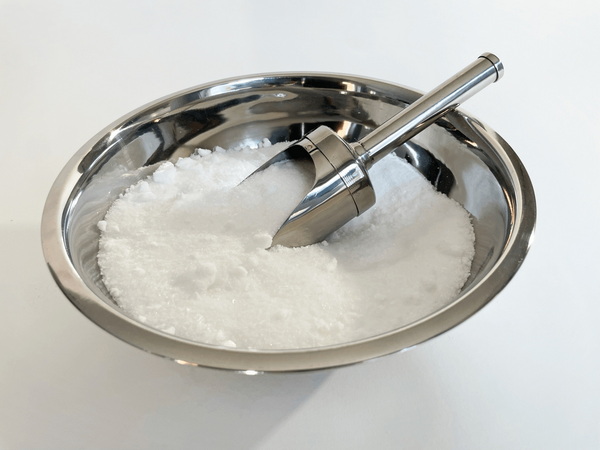
Lidocaine's chemical identity is 2-(diethylamino)-N-(2,6-dimethylphenyl)acetamide, with the molecular formula C14H22N2O and a molar mass of 234.34 g/mol. It exists primarily in two forms:
1. Lidocaine free base: A neutral, nonionic compound with low water solubility but good solubility in organic solvents such as ethanol and ether.
2. Lidocaine hydrochloride (Lidocaine HCl): The ionized salt form formed by reacting lidocaine free base with hydrochloric acid, which is highly soluble in water due to ionic interactions.
The distinction between these forms underpins their solubility behavior in aqueous acidic and alkaline environments.
Lidocaine is a weak base with a dissociation constant (pKa) of approximately 7.7–7.8. At physiological pH (~7.4), about 25-30% of lidocaine exists as the uncharged free base capable of diffusing through nerve membranes, leading to anesthetic action. The balance shifts depending on the environment's pH:
- Acidic solutions (like HCl): Lidocaine is predominantly protonated as the lidocaine hydrochloride salt, which readily dissolves in water.
- Alkaline solutions (like NaOH): Lidocaine tends to deprotonate into the free base form, which is less soluble in water and more prone to crystallization.
This pH-dependent behavior is crucial for pharmaceutical preparation and efficacy.
In sodium hydroxide solutions, the solubility of lidocaine decreases significantly as the pH rises, primarily due to conversion from the ionized hydrochloride salt to the free base form. Experimental evidence shows:
- At lower pH values below about 11.9, lidocaine hydrochloride remains substantially soluble.
- When exposed to higher concentrations of NaOH, raising the pH to around 12.9, lidocaine precipitates as visible crystals due to free base formation.[1][4]
These insoluble crystals form because the free base's nonpolar characteristics reduce its affinity for the aqueous medium. The precipitation affects the stability and availability of lidocaine in formulations and must be avoided to maintain efficacy.
Industrial synthesis processes reflect this solubility pattern: during lidocaine production, neutralizing acidic solutions with NaOH causes crystallization of lidocaine free base, allowing its isolation and purification.[1]
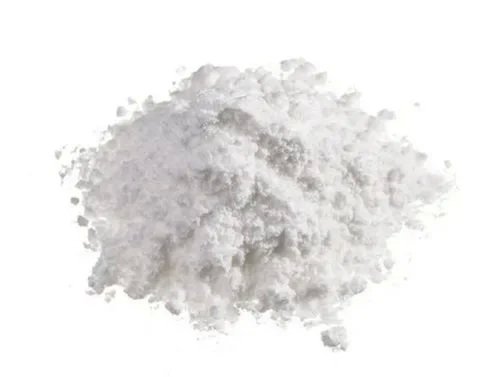
Lidocaine hydrochloride's high aqueous solubility is due to the strong ionic interaction between the protonated lidocaine and chloride ions in solution. Some features include:
- The pH of aqueous lidocaine hydrochloride solutions typically ranges between 4 and 5, favoring the protonated soluble form.[5]
- The hydrochloride salt form is stable and easily dissolves in water, making it ideal for injectable, topical, and other pharmaceutical formulations.
- At acidic pH levels, lidocaine remains ionized, preventing precipitation and maximizing bioavailability.
This solubility profile is deliberately harnessed in clinical preparations where rapid onset and effective absorption are essential.[6][7]
Lidocaine works by blocking voltage-gated sodium channels inside nerve cells, preventing nerve depolarization and pain signal transmission. Its pharmacological effectiveness depends on the free base's ability to diffuse through the nerve membrane before protonation inside the cell. Therefore, solubility in physiological environments affects both distribution and onset of anesthetic action.[2]
The balance between ionized and non-ionized forms facilitated by pH also influences lidocaine's tissue penetration, onset speed, and duration of effect. Adjusting formulation pH can optimize these therapeutic parameters.
- Formulation: pH must be carefully controlled to keep lidocaine in its soluble, ionized form for efficacy and shelf stability.
- Stability: Avoiding elevated pH conditions prevents the precipitation of lidocaine free base, thus maintaining clear, stable solutions.
- Manufacturing: The solubility equilibrium guides lidocaine purification, crystallization, and salt formation processes.
- Product design: Different lidocaine formulations (e.g., topical creams, injections) leverage knowledge of solubility to optimize delivery and bioavailability.
For better understanding and practical usage, it is valuable to illustrate:
- Molecular changes of lidocaine forms at various pH levels.
- Microscope images showing lidocaine crystal formation in NaOH.
- Graphs of lidocaine solubility versus pH and temperature.
- Videos demonstrating solubility tests and precipitation phenomena.
Lidocaine exhibits markedly different solubility in NaOH and HCl solutions due to its chemical nature as a weak base and the formation of ionic salts. It is highly soluble and stable in acidic hydrochloric acid, commonly used in pharmaceutical formulations for reliable delivery. In contrast, its free base form is poorly soluble in alkaline sodium hydroxide solutions, resulting in precipitation at higher pH. Recognizing and managing these solubility characteristics are crucial for drug formulation, ensuring efficacy, stability, and manufacturability.
For businesses seeking high-quality lidocaine and advanced OEM services tailored for pharmaceutical, biotechnological, and healthcare product lines, we offer comprehensive solutions with stringent quality control and customization capabilities. Contact us to explore partnership opportunities and bespoke development services.
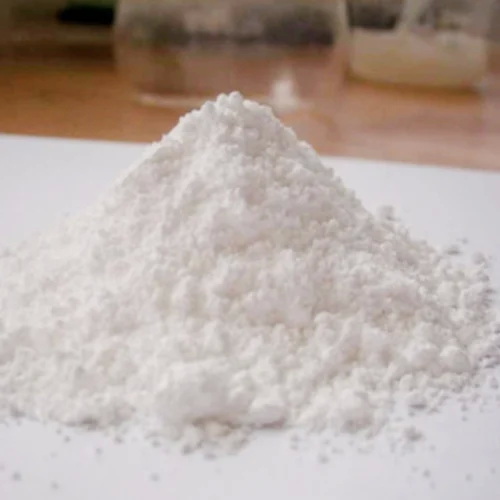
Lidocaine is the non-ionized free base form, which is poorly soluble in water. Lidocaine hydrochloride is the ionized salt form, highly soluble in acidic aqueous solutions, commonly used in pharmaceuticals.
High pH from NaOH converts lidocaine hydrochloride to the less soluble free base, leading to visible crystallization and precipitation.
Yes. Acidic conditions favor the ionized, soluble salt form, making lidocaine hydrochloride stable and effective in aqueous pharmaceutical formulations.
The non-ionized free base crosses nerve membranes to exert anesthetic effects. pH influences the proportion of ionized and non-ionized forms, altering absorption and onset.
It helps control crystallization during manufacturing and guides formulation pH adjustment to ensure lidocaine remains stable, soluble, and effective.
[1](https://www.sciencedirect.com/science/article/abs/pii/S0167732217322420)
[2](https://www.ncbi.nlm.nih.gov/books/NBK539881/)
[3](https://go.drugbank.com/drugs/DB00281)
[4](https://pmc.ncbi.nlm.nih.gov/articles/PMC4775754/)
[5](https://www.pccarx.com/Blog/lidocaine-vs-lidocaine-hci3)
[6](https://labeling.pfizer.com/ShowLabeling.aspx?id=5416)
[7](https://pdf.hres.ca/dpd_pm/00065888.PDF)
[8](https://people.chem.umass.edu/mcdaniel/CHEM-267/Experiments/Lidocaine.pdf)
Hot tags: Lidocaine Hydrochloride, Lidocaine Solubility in Acid, Lidocaine Solubility in Base, Lidocaine pKa Value, Lidocaine Solubility Testing, Lidocaine Formulations, Lidocaine Stability in HCl, Lidocaine Stability in NaOH, Lidocaine Solubility Factors, Lidocaine Hydrochloride Injection