Content Menu
● Lidocaine and Lidocaine Hydrochloride: Key Differences
>> Chemical and Physical Properties of Lidocaine Hydrochloride
● Lidocaine Solubility in Hydrochloric Acid
● Molecular Mechanism Behind Solubility
● Clinical and Pharmaceutical Considerations
● Practical Applications for OEM Suppliers
● Summary
● FAQs
>> 1. What is the main difference between lidocaine free base and lidocaine hydrochloride?
>> 2. Why is lidocaine hydrochloride preferred in pharmaceutical formulations?
>> 3. Can lidocaine free base dissolve in hydrochloric acid?
>> 4. How does pH influence lidocaine's solubility?
>> 5. What should OEM clients consider when sourcing lidocaine products?
Lidocaine is a widely used local anesthetic in the medical, pharmaceutical, and healthcare industries, renowned for its efficacy and versatility. To better understand its functional and pharmaceutical applications, it is essential to delve into the solubility characteristics of lidocaine, especially its interaction with hydrochloric acid (HCl). This article provides a detailed examination of the solubility of lidocaine in HCl, the distinction between lidocaine free base and lidocaine hydrochloride, their chemical behaviors, and the implications for pharmaceutical OEM manufacturers catering to global markets.
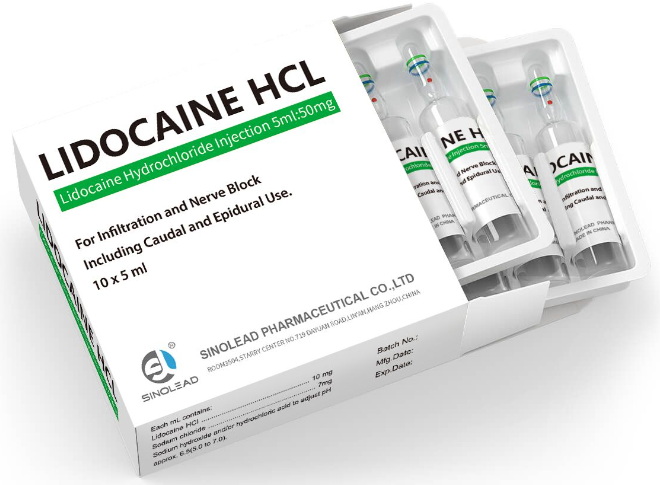
Lidocaine is classified as an amide-type local anesthetic used primarily to numb tissue in a localized area and treat cardiac arrhythmias. Chemically, it is known as 2-(diethylamino)-N-(2,6-dimethylphenyl)acetamide. As a compound, lidocaine appears as a white needle-like crystalline solid with a melting point of about 68 to 69°C. In its free base form, lidocaine is sparingly soluble in water but shows good solubility in organic solvents like ethanol, ether, benzene, and chloroform.
Lidocaine's limited water solubility in its free base form has led to the widespread use of its hydrochloride salt, lidocaine hydrochloride. This salt is synthesized by reacting lidocaine free base with hydrochloric acid, resulting in a readily soluble compound in aqueous and acidic media.
- Molecular formula: C14H23ClN2O (molecular weight of approximately 288.81 g/mol)
- Appears as white, odorless crystalline powder with a bitter taste
- Highly soluble in water and aqueous acidic solutions, typically forming a 0.5% solution with pH around 4.0 to 5.5
In contrast to the free base, lidocaine hydrochloride's ionic nature makes it easily dissolve in water and acidic environments, facilitating its use in injectable and topical pharmaceutical formulations.
Lidocaine free base is poorly soluble in water and insoluble in hydrochloric acid due to its neutral molecular structure. However, when lidocaine undergoes protonation by HCl, it transforms into lidocaine hydrochloride salt, which is highly water-soluble. This salt form enhances drug bioavailability and makes lidocaine suitable for a broad range of pharmaceutical applications.
Specifically:
- The amine group in lidocaine accepts a proton from HCl, forming a positively charged ammonium ion.
- This ionization results in lidocaine hydrochloride, an ionic compound that dissolves readily in water and acid solutions.
- Lidocaine hydrochloride solutions generally maintain an acidic pH (4-5), contributing to their stability and solubility.
This chemical conversion is why HCl is used in manufacturing lidocaine-based pharmaceutical products. Injection solutions, gels, and topical creams predominantly contain lidocaine hydrochloride, ensuring better formulation stability and efficacy.
The core reason behind lidocaine hydrochloride's solubility lies in protonation of the amine group. In neutral or basic media, lidocaine is predominantly non-ionized and hydrophobic, limiting its aqueous solubility. Under acidic conditions (such as in HCl):
- The amine nitrogen gains a proton (H+), becoming positively charged.
- This charged species associates with chloride anions making lidocaine hydrochloride.
- This ionic pairing enhances interaction with polar solvents like water, increasing solubility dramatically.
This property also affects lidocaine's pharmacodynamics since lidocaine hydrochloride, the ionized form, binds more readily and quickly to voltage-gated sodium channels in neurons, delivering rapid anesthetic effects.
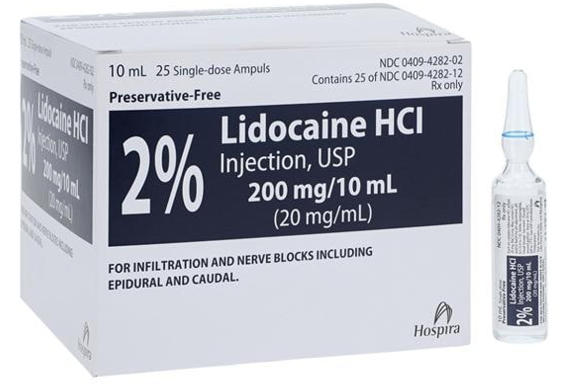
Understanding lidocaine's solubility profile influences pharmaceutical formulation design, clinical practice, and manufacturing. Some key points include:
- Lidocaine hydrochloride has faster onset and better solubility than the free base, making it preferred for most drug delivery systems.
- The pKa of lidocaine is approximately 7.8; the compound remains ionized (and thus soluble) at acidic pH below this value.
- At pH above 7, lidocaine may precipitate as the less soluble free base, complicating formulation stability.
- Lidocaine hydrochloride is metabolized primarily in the liver, with rapid hepatic clearance and a half-life of 1.5 to 2 hours.
- Conditions affecting liver function or pH can influence the pharmacokinetics of lidocaine hydrochloride.
Manufacturers providing OEM services for pharmaceutical clients must ensure correct salt form supply, verify solubility profiles, and maintain regulatory compliance to meet international standards.
For manufacturers like supplybenzocaine.co.uk specializing in biotechnology, pharmaceuticals, and medical devices providing OEM services, the implications of lidocaine solubility in HCl are significant:
- Producing lidocaine hydrochloride ensures enhanced water solubility, formulation flexibility, and better clinical performance.
- It caters to the growing demand from international brands for injectable anesthetics, topical gels, and antiarrhythmic drugs.
- Understanding solubility characteristics allows for optimization of production parameters to maintain purity, potency, and shelf-life.
- Emphasizing these technical details in marketing and client consultations boosts confidence in supplied products.
Lidocaine free base is poorly soluble in water and hydrochloric acid, but when converted into its hydrochloride salt form through reaction with HCl, it becomes highly soluble in aqueous acidic environments. This transformation significantly enhances lidocaine's pharmaceutical utility by improving solubility, bioavailability, and formulation stability. OEM manufacturers focused on pharmaceutical ingredients should prioritize lidocaine hydrochloride in their product lines to fulfill global client expectations effectively.
If you are seeking a trusted partner for high-quality lidocaine hydrochloride supply and customized OEM services, we welcome your inquiries. Our expertise ensures seamless production, rigorous quality control, and tailored solutions to help your brand succeed in competitive international markets. Contact us to know more!
Lidocaine free base is a neutral compound with poor water solubility, whereas lidocaine hydrochloride is its ionized salt form, highly soluble in water and acidic solutions.
Its superior water solubility allows for easier formulation of injectable and topical products with rapid onset and consistent effects.
No, the free base form is insoluble in HCl but reacts with it to form the water-soluble lidocaine hydrochloride salt.
Lidocaine hydrochloride remains soluble below its pKa (~7.8) in acidic media; above this, the free base precipitates, reducing solubility.
Clients should source the hydrochloride salt form for optimal solubility and drug performance and verify manufacturers' compliance with quality and regulatory standards.
[1](https://www.pccarx.com/Blog/lidocaine-vs-lidocaine-hci3)
[2](https://labeling.pfizer.com/ShowLabeling.aspx?id=14311)
[3](https://www.solubilityofthings.com/2-26-dimethylanilino-2-oxo-ethyl-diethyl-ammonium)
[4](https://www.chemicalbook.com/ChemicalProductProperty_EN_CB4117973.htm)
[5](https://www.sciencedirect.com/science/article/abs/pii/S0167732218320701)
[6](https://go.drugbank.com/salts/DBSALT000900)
[7](https://jpdb.nihs.go.jp/jp14e/14data/Part-I/Lidocaine.pdf)
[8](https://pubchem.ncbi.nlm.nih.gov/compound/Lidocaine-Hydrochloride)
Hot tags: Lidocaine Solubility, Lidocaine HCl Properties, Lidocaine Hydrochloride, Lidocaine in HCl, Solubility of Lidocaine, Lidocaine Chemical Structure, Lidocaine pH Levels, Lidocaine Injection Solutions, Lidocaine Uses, Lidocaine Pharmacology