Content Menu
● What is Penicillin G Procaine?
● How Does Penicillin G Procaine Work?
● Precautions and Contraindications
● Administration Tips for Pet Owners
● Frequently Asked Questions (FAQs)
>> 1. What should I do if my dog shows allergic reactions to Penicillin G Procaine?
>> 2. Can Penicillin G Procaine be given orally?
>> 3. How quickly does Penicillin G Procaine begin to work?
>> 4. Is this medication safe for puppies?
>> 5. What are the signs of overdose in dogs?
Penicillin G Procaine is a well-established veterinary antibiotic widely used to combat bacterial infections in dogs. This medication combines penicillin G, a potent bactericidal antibiotic, with procaine, which slows the drug's absorption to provide a sustained effect after a single injection. Its safety and effectiveness hinge on appropriate veterinary guidance, correct dosing, and proper administration.
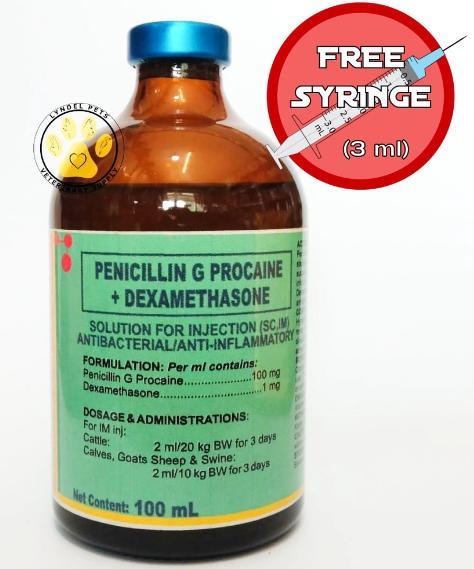
Penicillin G Procaine is an injectable antibiotic specifically intended for treating various bacterial infections in animals, including dogs. Penicillin G, the active ingredient, works by disrupting the bacterial cell wall synthesis, leading to the death of bacteria susceptible to it. Procaine, added to the formulation as a local anesthetic, prolongs the release and action of penicillin G by slowing its absorption from the injection site.
Penicillin G targets bacteria by inhibiting the cross-linking of peptidoglycan in the bacterial cell walls. Without this essential component, bacteria cannot maintain their structural integrity, leading to rupture and death. This antibiotic is effective mostly against gram-positive bacteria and some gram-negative species. It is not effective against viral infections or parasites.
Veterinarians prescribe Penicillin G Procaine for various infections such as:
- Skin wounds and abscesses
- Dental infections and oral abscesses
- Respiratory tract infections including bronchitis
- Urinary tract infections
- Post-surgical infection prophylaxis
Its sustained release makes it ideal for infections where consistent blood levels of antibiotic are needed over days.
The dosage of Penicillin G Procaine depends on the dog's weight, age, and the type and severity of infection. Typical dosing ranges from 20,000 to 40,000 units per kilogram of body weight, administered intramuscularly every 12 to 24 hours. The injection should never be given intravenously due to the risk of severe adverse reactions.
Veterinarians determine the duration of therapy based on clinical response, usually ranging from 5 to 14 days. Treatment must be completed even if symptoms improve early to avoid relapse and resistance.
When administered according to veterinary instructions, Penicillin G Procaine is generally safe for dogs. However, considerations include:
- Allergic Reactions: Some dogs may be hypersensitive to penicillin, exhibiting symptoms such as itching, swelling, hives, difficulty breathing, or anaphylaxis. Immediate veterinary attention is critical in such cases.
- Injection Site Reactions: Mild discomfort, swelling, or local inflammation can occur at the injection site but usually resolves quickly.
- Gastrointestinal Upset: Oral penicillins often cause vomiting or diarrhea, but since Penicillin G Procaine is injectable, these side effects are less common.
- Neurologic Effects: Rarely, if administered intravenously by mistake, severe toxicity including seizures can occur.
Because of these potential risks, only veterinarians should prescribe and administer this medication with proper monitoring.
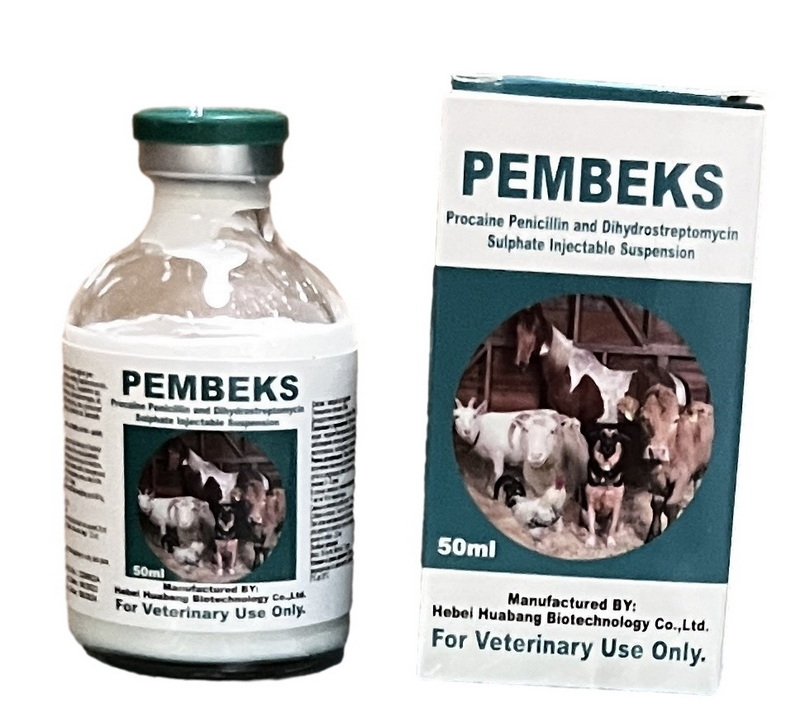
- Do not use Penicillin G Procaine in dogs allergic to penicillin or with a history of severe drug reactions.
- Use cautiously in dogs with pre-existing liver or kidney disease.
- Keep the medication away from eyes and skin during handling.
- Proper disposal of needles and vials is necessary to prevent accidental injury or exposure.
- Inform your veterinarian of any other medications your pet is taking, as drug interactions may occur.
Signs of overdose include vomiting, diarrhea, lethargy, or neurologic abnormalities. In such cases, immediate veterinary intervention is required to manage symptoms and provide supportive care.
Owners receiving Penicillin G Procaine for their dogs should adhere strictly to veterinary guidelines:
- Never attempt intravenous injections as this can be fatal.
- Watch for any allergic symptoms and seek emergency veterinary care if these appear.
- Complete the entire course of treatment to ensure infection clearance.
- Report any unusual side effects promptly.
Penicillin G Procaine remains a cost-effective, efficient antibiotic option for many bacterial infections in dogs. Its prolonged action reduces dosing frequency, improving compliance and convenience for dog owners and veterinarians alike.
Penicillin G Procaine is a reliable and generally safe antibiotic for treating bacterial infections in dogs when used under veterinary supervision. Proper dosing, adherence to administration instructions, and monitoring for adverse effects are critical to ensure safety. For pet owners and veterinary suppliers seeking high-quality Penicillin G Procaine or OEM services from a trusted Chinese manufacturer, professional consultation is encouraged. Contact us to learn how our biopharmaceutical production can support your brand's needs with high standards and customized solutions.
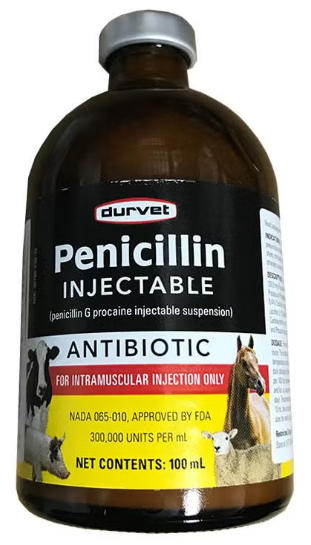
Stop administration immediately and seek emergency veterinary care if your dog develops itching, swelling, difficulty breathing, or collapse.
No, it is formulated only for intramuscular or subcutaneous injection and should never be administered orally.
It typically starts working within 1-2 hours, but clinical improvement may take 1-2 days depending on the infection.
Puppies can receive Penicillin G Procaine under veterinary guidance, with dosage carefully adjusted based on their size and health.
Signs include vomiting, diarrhea, lethargy, seizures, and neurological disturbances. Immediate veterinary intervention is essential in suspected overdose cases.
[1](https://www.petmd.com/pet-medication/penicillin-dogs-and-cats)
[2](https://www.msdvetmanual.com/multimedia/table/dosages-of-penicillins)
[3](https://vcahospitals.com/know-your-pet/penicillin-g)
[4](https://www.petplace.com/article/drug-library/drug-library/library/penicillin-g-for-dogs-and-cats)
[5](https://www.msdvetmanual.com/pharmacology/antibacterial-agents/penicillins-use-in-animals)
[6](https://www.amrvetcollective.com/assets/guidelines/guide_comp.pdf)
[7](https://www.merckvetmanual.com/pharmacology/antibacterial-agents/penicillins-use-in-animals)
[8](https://www.dialavet.com/vet-answers/post/penicillin-g-dosage-for-dogs-32300)
Hot tags: Penicillin G Procaine Dogs, Penicillin G Side Effects Dogs, Safe Antibiotics for Dogs, Penicillin G Dosage for Dogs, Penicillin G Procaine Safety, Dog Antibiotic Reactions, Veterinary Use of Penicillin G, Penicillin G Procaine Injection, Dog Health and Antibiotics, Penicillin G Procaine Allergies