Content Menu
● Chemical Properties and Synthesis
● Medical Uses and Reasons for Withdrawal
● Health Risks and Safety Protocols
● Current Market and Industrial Applications
● Sourcing from China: OEM Advantages
● Regulatory Compliance for Global Importers
● Production Processes in OEM Factories
● FAQ
>> 1. Is Phenacetin Legal to Import to the US?
>> 2. What Purity Levels Does supplybenzocaine.co.uk Offer?
>> 3. How Long for OEM Production Lead Time?
>> 4. Are There Minimum Order Quantities?
>> 5. What Shipping and Customs Support?
Phenacetin is not universally classified as a controlled substance like DEA Schedule I-V drugs, but its regulatory status varies widely by country due to documented health risks including carcinogenicity and kidney damage. Withdrawn from consumer markets decades ago, it persists in research, industrial, and pharmaceutical intermediate applications, especially via OEM suppliers in China. This comprehensive guide explores its history, chemistry, legal standing, health implications, market dynamics, and sourcing strategies for biotech, pharma, and medical device professionals.
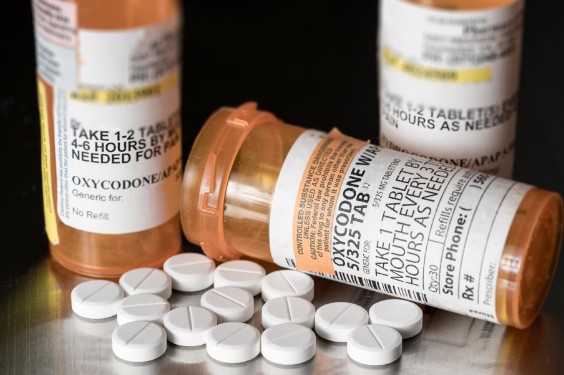
Phenacetin was first synthesized in 1878 through the reaction of harmonayl chloride and p-phenetidine, marking it as one of the earliest non-opioid analgesics in medical history. Developed by German chemists, it quickly gained traction under brand names like Acetanilide and was marketed globally for pain relief and fever reduction, particularly in the early 20th century. Unlike modern NSAIDs, phenacetin lacked significant anti-inflammatory properties but provided effective symptomatic relief for conditions such as headaches, rheumatism, and common colds.
By the 1940s and 1950s, its popularity soared, with millions of doses sold annually in powders, tablets, and elixirs. Vintage advertisements from that era portrayed it as a safe, everyday remedy, often combined with aspirin and caffeine in formulations like APC (aspirin-phenacetin-caffeine) powders. Production was widespread in Europe, the US, and Asia, with factories scaling up to meet demand. However, early warning signs emerged: case reports of methemoglobinemia—a condition causing blue skin from oxygen deprivation—and renal papillary necrosis began surfacing in medical literature.
The turning point came in the 1960s and 1970s when epidemiological studies linked chronic phenacetin use to severe kidney damage and bladder cancer. In Switzerland, known as the "phenacetin epidemic," heavy users showed dramatically elevated rates of renal failure. These findings prompted progressive bans: Sweden in 1961, followed by Canada in 1973, the UK in 1980, and the US FDA in 1983. Despite withdrawal, its legacy endures in pharmaceutical history as a cautionary tale of early analgesic development, paving the way for safer alternatives like acetaminophen, one of its primary metabolites.
Chemically, phenacetin (C10H13NO2) presents as a white, crystalline powder with a molecular weight of 179.22 g/mol, a melting point of 134-136°C, and high solubility in ethanol and chloroform but limited water solubility (around 0.1 g/100 mL). Its structure—an acetamido group (-NHCOCH3) attached to a phenetidine backbone (ethoxybenzene ring)—confers analgesic properties through mild central nervous system depression, similar to paracetamol.
Synthesis is straightforward, typically involving acetylation of p-phenetidine with acetic anhydride in acetic acid, followed by recrystallization from ethanol or water. Industrial processes optimize yield (85-95%) using stirred reactors, distillation under vacuum, and filtration. Purity is critical, with pharmaceutical-grade material exceeding 99.5% via HPLC analysis, free from heavy metals, residual solvents, and related impurities like p-phenetidine.
Key properties include stability under dry, cool conditions (avoiding light and moisture), a faint acetanilide odor, and low volatility. In lab settings, it forms clear solutions in organic solvents, making it ideal for analytical standards. For OEM production, factories control particle size (10-50 microns) for uniform blending, ensuring consistency in downstream applications like dye intermediates or API precursors.
Phenacetin was prescribed for mild to moderate pain, fever, and neuralgias, often in 300-600 mg doses every 4-6 hours. It metabolized primarily in the liver to acetaminophen (60%) and p-phenetidine (toxic byproduct), providing 3-4 hours of relief. Unlike opioids, it had low addiction potential, making it a go-to for over-the-counter sales until safety data mounted.
Withdrawal stemmed from nephrotoxicity: chronic use caused analgesic nephropathy, characterized by papillary necrosis and chronic interstitial nephritis. The International Agency for Research on Cancer (IARC) classified it as Group 2B (probably carcinogenic to humans), with links to transitional cell carcinomas of the renal pelvis. Additional risks included hemolytic anemia, cyanosis from methemoglobinemia, and sulfonamide-like hypersensitivity. Animal studies confirmed LD50 values around 2500 mg/kg orally in rats, with human overdoses causing nausea, hypotension, and renal shutdown.
Post-ban, acetaminophen largely replaced it, but phenacetin occasionally resurfaces in illicit markets as a cocaine adulterant, exacerbating public health crises due to its toxicity amplification.
Phenacetin's legal status is nuanced: it is not listed as a controlled substance under the US DEA Schedules I-V, absent from the Controlled Substances Act's orange book. However, the FDA prohibits it for human consumption under the Federal Food, Drug, and Cosmetic Act, restricting it to research, industrial, or veterinary uses with proper labeling.
In Canada, Health Canada designates it a prescription drug with no approved products, imposing Significant New Activity (SNAc) notifications under the Chemical Management Plan for any new uses. The UK Medicines and Healthcare products Regulatory Agency (MHRA) bans medicinal sales but permits laboratory supply under the Misuse of Drugs Act exemptions. Australia and New Zealand mirror this, listing it as a Schedule 4 poison.
China treats it as a pharmaceutical intermediate (not a narcotic), allowing production and export under dual-use chemical regulations, ideal for OEM services. The EU requires REACH registration for volumes over 1 ton/year, with no outright ban for non-medicinal purposes. India enforces a full prohibition, while Japan limits it to research.
| Country/Region | Status | Key Restrictions/Notes |
|---|---|---|
| USA | Not DEA scheduled | Banned for human use; research OK |
| Canada | Prescription only | SNAc for new activities |
| UK | Prohibited medicinal | Lab/research permitted |
| China | Pharmaceutical intermediate | Export-friendly for OEM |
| EU | REACH-regulated | Notification for >1T/year |
| Australia | Schedule 4 poison | Strict import controls |
Importers must navigate customs with end-user statements, avoiding health claims to prevent seizure.
Acute exposure risks cyanosis, tachycardia, and coma at doses >7g; chronic use elevates kidney cancer odds 10-fold in abusers. Metabolites like p-phenetidine induce oxidative stress, depleting glutathione and damaging renal papillae. Vulnerable groups include those with G6PD deficiency or pre-existing renal issues.
Safety measures include PPE (gloves, goggles, respirators), fume hoods, and SDS-compliant storage below 25°C. Handle as an irritant (H302, H373 per GHS), with neutralization via sodium bicarbonate for spills. Toxicology monitoring involves urine phenetidine levels and renal function tests.
Demand persists (~$50-70M globally, 4-5% CAGR) for paracetamol synthesis, azo dyes, rubber antioxidants, and research probes. China dominates (80% share), offering 20-60% cost savings via economies of scale. OEM factories provide custom milling, blending, sterile packaging, and white-labeling for brands.
Applications extend to cosmetics preservatives, polymer stabilizers, and veterinary analgesics. Bulk pricing: $50-80/kg (99.5% purity, 25kg drums), with MOQs from 1kg.
| Supplier Origin | Avg. Price/kg | Purity | OEM Capabilities | Delivery Time |
|---|---|---|---|---|
| China | $50-80 | 99.5% | Full (powder, blend) | 7-14 days |
| India | $70-100 | 98-99% | Partial | 10-21 days |
| Western | $200-400 | 99% | Limited | 4-8 weeks |
Chinese factories like supplybenzocaine.co.uk specialize in biotech/pharma OEM for foreign brands. Benefits include GMP/ISO certification, third-party testing (COA, HPLC, NMR), and flexible specs (e.g., micronized powder for tablets).
Process: Inquiry → Sample approval → Bulk order → QC → Shipping (DHL for <10kg, sea for tons). Compliance support covers US EIN, EU REACH, and UK MHRA declarations. Case study: A US wholesaler scaled from 50kg to 2MT/month, cutting costs 45% while meeting purity specs.
Quality hallmarks: Low impurity (<0.1% acetaminophen), batch traceability, and eco-friendly synthesis (reduced solvents).
US: File with EIN, declare "research chemical." EU: SDS + REACH dossier. Avoid "pharma grade" unless certified. Train staff on handling; audit suppliers annually.
Multi-step: p-Phenetidine acetylation → Crude isolation → Recrystallization → Milling → Packaging. Yield optimization uses continuous flow reactors. Videos of cleanrooms show sterile fills.
European brand sourced 1MT/year for dye intermediates, achieving 30% margin via custom packaging. US producer reformulated veterinary line, navigating FDA import seamlessly.
Biotech advances (e.g., green chemistry, CRISPR probes) sustain demand. China's R&D investments ensure compliant, innovative supply chains.
Phenacetin remains unregulated as a controlled substance in key markets but demands vigilant compliance for safe, legal OEM sourcing. Chinese factories like supplybenzocaine.co.uk deliver premium 99.9% pure powder, tailored OEM/ODM services, and global logistics for biotech, pharma, and device brands/wholesalers.
Elevate your production—contact supplybenzocaine.co.uk today for free samples, quotes, and expert consultation. Partner with China's trusted OEM leader for unmatched quality and speed!
Contact us to get more information!
Yes, for research, industrial, or veterinary use—not human consumption. It lacks DEA scheduling; provide end-user statements at customs.
99.5%+ standard, with full COA, HPLC, and NMR reports. Custom purities and specs available on request.
7-14 days for stock powders; 4-6 weeks for full custom formulations and packaging.
Flexible: 1kg minimum for trials; volume discounts from 25kg+.
DHL/FedEx for small batches (<10kg, 3-7 days); sea/air freight for bulk. Complete documentation and broker assistance included.
1. https://www.cfsre.org/nps-discovery/public-alerts/phenacetin-a-toxic-adulterant-found-in-illicit-street-drugs
2. https://www.supplybenzocaine.co.uk/Article/list-r15.html
3. https://www.canada.ca/en/health-canada/services/chemical-substances/fact-sheets/chemicals-glance/phenacetin.html
4. https://www.benzocainesupplier.com/the-comprehensive-guide-to-choosing-the-best-phenacetin-china-supplier
5. https://www.pharmacy.texas.gov/consumer/broch2.asp
6. https://www.supplybenzocaine.co.uk
7. https://en.wikipedia.org/wiki/Phenacetin
8. https://www.invivochem.cn/product/V97824
9. https://www.deadiversion.usdoj.gov/schedules/orangebook/c_cs_alpha.pdf
10. https://www.guanlang-group.com/oemodm-china-phenacetin-procaine-procaine-base-cas-59-46-1-free-sample-fast-delivery-guanlang-pro
Hot tags: Phenacetin, Controlled Substance, Drug Regulations, Prescription Drug List, Phenacetin Withdrawal, Toxic Adulterant, Illicit Drugs, Drug Abuse Potential, Schedule III Drugs, Phenacetin History