Content Menu
● Understanding Procaine and Its Uses
● Pharmacology and Mechanism of Action
● Frequently Asked Questions (FAQs)
>> 1. Is procaine addictive like cocaine?
>> 2. What are the common uses of procaine?
>> 3. Can procaine cause allergic reactions?
>> 4. How is procaine metabolized in the body?
>> 5. Does procaine have therapeutic benefits besides anesthesia?
Procaine, commonly known under the brand name Novocain, is a local anesthetic drug belonging to the amino ester group. It is widely used in dental procedures and minor surgeries to numb targeted areas, preventing pain during treatment. While procaine shares some structural similarities with cocaine, it is pharmacologically distinct and does not possess the euphoric or addictive qualities associated with cocaine. This article explores whether procaine is addictive, its medical uses, pharmacology, side effects, and addresses common concerns surrounding its use.
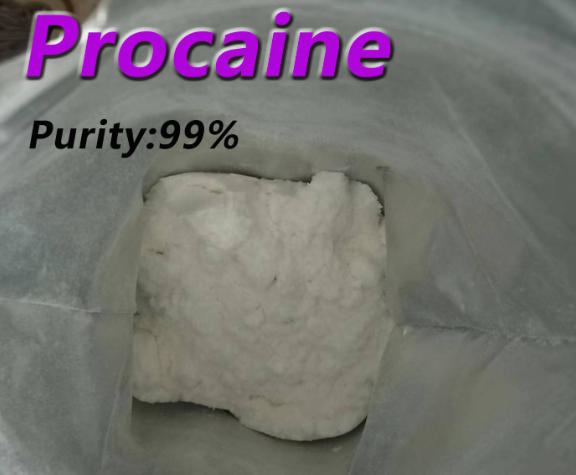
Procaine is primarily utilized to block nerve signals in a localized region. It works by inhibiting sodium entry into nerve cells, thereby preventing the transmission of pain signals to the brain. Unlike cocaine, procaine acts as a vasodilator, meaning it causes blood vessels to widen rather than constrict. Due to this property, it is sometimes combined with vasoconstrictors like epinephrine to prolong the anesthetic effect and minimize bleeding during procedures.
Medically, procaine is used as a local anesthetic in dental care and minor surgeries. It is considered safe and effective, with a short duration of action because it is rapidly metabolized in the plasma by the enzyme pseudocholinesterase, breaking down into para-aminobenzoic acid (PABA), which is excreted by the kidneys. This rapid metabolism reduces the risk of systemic toxicity.
Beyond anesthesia, studies have demonstrated additional procaine benefits, including anti-inflammatory actions and potential epigenetic effects that may inhibit cancer cell growth. Procaine has been explored as part of complementary cancer treatments to reduce side effects from radiotherapy and improve chemotherapy outcomes. Furthermore, it exhibits psychoactive effects on the limbic system, leading to possible anti-depressive and anxiolytic outcomes when administered in certain medical contexts.
It is essential to distinguish procaine from substances with high addiction potential, such as cocaine. While cocaine acts as a powerful stimulant affecting central nervous system reward pathways—leading to addiction—procaine lacks these stimulating properties. Studies confirm that procaine does not create euphoric effects or addictive behaviors typically associated with controlled substances.
Nevertheless, procaine influences certain neurotransmitter systems, including increasing dopamine and serotonin levels in the brain. These neurochemical changes do not translate to addictive potential due to the absence of reward pathway activation and euphoria. Additionally, procaine's quick metabolism and localized effects further reduce the likelihood of systemic effects that could foster dependence.
Clinical use of procaine rarely results in abuse or addiction, and allergic reactions are uncommon. Some individuals may exhibit hypersensitivity to procaine's metabolites, but this does not relate to addiction risk. Rare side effects include feelings of nervousness, dizziness, or mild convulsions at high doses, but these are medical concerns rather than signs of addictive behavior.
Procaine works by binding to voltage-dependent sodium channels on nerve cell membranes, blocking the flow of sodium ions that are necessary for nerve impulse transmission. This blockade raises the threshold needed to trigger a nerve impulse and slows its conduction, resulting in the loss of sensation.
Interestingly, procaine also interacts with other receptors such as N-methyl-D-aspartate (NMDA) receptors, nicotinic acetylcholine receptors, and serotonin receptor-ion channel complexes. These interactions potentially contribute to its anti-inflammatory and mild psychoactive effects, explaining its broader therapeutic applications beyond local anesthesia.
Procaine is generally safe when administered in appropriate doses by healthcare professionals. The most common side effects relate to allergic reactions to its metabolite PABA, which can include rash, difficulty breathing, and swelling. These allergic responses are rare and typically manageable with medical intervention.
Overdose or inadvertent high doses can depress neuronal activity excessively, leading to nervous system hypersensitivity, seizures, or cardiovascular effects such as weakening of the heart muscle. Patients with atypical pseudocholinesterase enzyme variants may experience prolonged procaine effects and increased toxicity, necessitating caution and dose adjustment.
Procaine is not addictive and does not share the euphoric or dependence-inducing effects of cocaine despite chemical similarities. It remains a safe, effective local anesthetic with additional therapeutic benefits in anti-inflammation, cancer support, and mild psychoactive applications. Its rapid metabolism and mode of action minimize risks of systemic toxicity and abuse. Patients receiving procaine should be aware of potential allergic reactions and side effects but can generally expect safe outcomes under professional care. For companies and medical brands seeking a reliable procaine supplier for OEM services, partnering with an experienced manufacturer ensures quality and compliance with medical standards.
If you need high-quality procaine or related products for your medical or pharmaceutical applications, feel free to contact us for professional OEM services tailored to your international brand requirements.
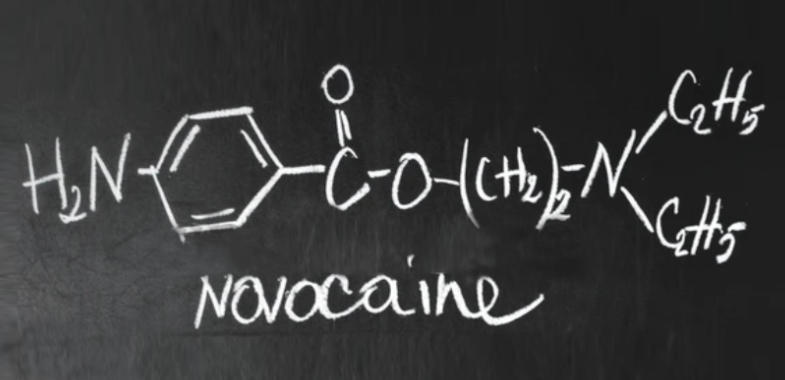
No, procaine does not cause addiction or euphoria as cocaine does. It lacks stimulant effects on the central nervous system responsible for addiction.
Procaine is primarily used as a local anesthetic in dental procedures and minor surgeries to numb the targeted area and reduce pain.
Yes, allergic reactions are rare but possible, usually related to its metabolite PABA. Symptoms include rashes, breathing difficulties, and swelling.
Procaine is metabolized in the plasma by pseudocholinesterase into PABA, which is then excreted by the kidneys.
Yes, procaine exhibits anti-inflammatory properties, potential cancer growth inhibition, and mild psychoactive effects useful in certain medical treatments.
Procaine remains a respected choice for local anesthesia and complementary therapies with a strong safety profile and minimal addiction risk. For reliable OEM supply and partnership, contact us to discuss your requirements.
[1](https://www.webmd.com/vitamins/ai/ingredientmono-391/procaine)
[2](https://www.scivisionpub.com/pdfs/the-procainebaseinfusion-a-review-after-twenty-years-of-use-162.pdf)
[3](https://en.wikipedia.org/wiki/Procaine)
[4](https://flarer.ch/en/uses-and-beneficial-properties-of-procaine/)
[5](https://www.gov.hk/en/residents/health/addictions/)
[6](https://pubmed.ncbi.nlm.nih.gov/26734823/)
[7](https://onlinelibrary.wiley.com/doi/abs/10.1080/13556219872245)
[8](https://jamanetwork.com/journals/jama/fullarticle/1160031)
[9](https://www.mayoclinic.org/diseases-conditions/drug-addiction/symptoms-causes/syc-20365112)
[10](https://www.mims.com/hongkong/drug/info/procaine?mtype=generic)
Hot tags: Procaine Addiction, Is Procaine Addictive, Procaine Effects, Procaine Abuse, Procaine vs Cocaine, Procaine Side Effects, Procaine Use in Medicine, Procaine Street Names, Procaine Addiction Treatment, Procaine and Dopamine