Content Menu
● Understanding Penicillin G Procaine
● Side Effects and Precautions
>> Procaine
● Mechanism of Action of Penicillin G Procaine
● Summary
● Frequently Asked Questions (FAQs)
>> 1. Is procaine itself an antibiotic?
>> 2. What is Penicillin G Procaine?
>> 3. What infections does Penicillin G Procaine treat?
>> 4. Can procaine treat viral infections?
>> 5. What are common side effects of Penicillin G Procaine?
Procaine is widely known as a local anesthetic used to numb specific parts of the body during medical and dental procedures. A common question in pharmaceutical and clinical contexts is whether procaine itself functions as an antibiotic. Antibiotics are medications that kill or inhibit the growth of bacteria, helping to treat infections. This article clarifies procaine's pharmacological role, distinguishes it from antibiotics, and explains its use both alone and in combination with antibiotics, especially within injectable formulations.
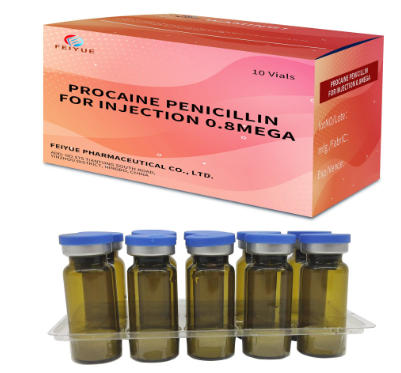
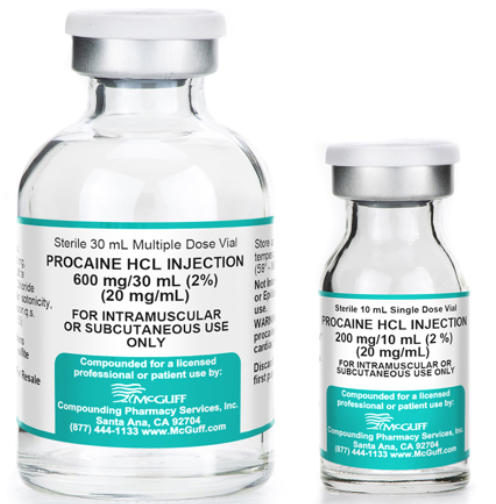
Procaine is a synthetic ester local anesthetic, also known by its historical name, "Novocaine." It acts by inhibiting the influx of sodium ions through voltage-gated sodium channels in the membranes of nerve cells. This blockade prevents the initiation and conduction of nerve impulses, which effectively stops the sensation of pain in the targeted area.
Pharmacologically, procaine:
- Is metabolized rapidly by plasma pseudocholinesterase into para-aminobenzoic acid (PABA), which is further excreted in urine.
- Increases the electrical excitation threshold of nerves and slows down action potential propagation, leading to loss of sensation.
- Acts on several receptors including NMDA receptors, nicotinic acetylcholine receptors, and serotonin receptor-ion channels.
Its use is mainly topical or injected for localized anesthesia in minor surgeries, dental care, and diagnostic procedures, due to its relatively short duration of action compared to anesthetics like lidocaine.
The short and direct answer is no, procaine itself is not an antibiotic. It does not possess properties to kill bacteria or inhibit their growth.
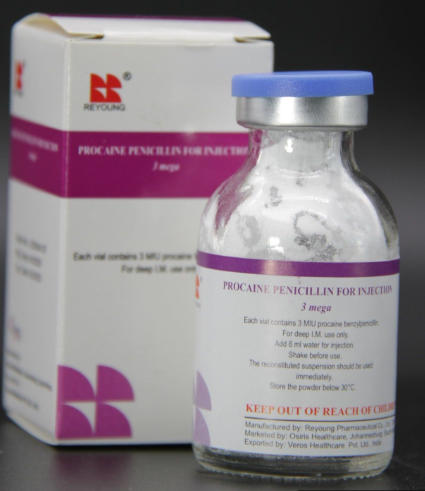
However, procaine is often combined pharmaceutically with antibiotics, mainly penicillin G (benzylpenicillin), to form a combination known as Penicillin G Procaine or Procaine Benzylpenicillin. This combination leverages the antibiotic's bactericidal effects with procaine's local anesthetic property to reduce pain at the injection site.
Penicillin G Procaine is an injectable antimicrobial medication designed to treat bacterial infections such as:
- Syphilis
- Anthrax
- Pneumonia
- Cellulitis
- Diphtheria
- Mouth and skin infections
- Erysipelas
The antibiotic penicillin G works by inhibiting synthesis of the bacterial cell wall peptidoglycan, resulting in bacterial death. Procaine, added in equimolar amounts, slows down the absorption of penicillin, allowing a prolonged, steady release of the antibiotic from the injection site. This not only extends the duration of therapeutic drug levels in the blood but also significantly reduces injection site pain, which is common with penicillin injections.
This formulation is administered via deep intramuscular injection. It is especially useful when oral administration is not feasible or when prolonged antibiotic exposure at relatively low concentrations is desired.
- Provides effective local anesthesia for minor surgical and dental procedures.
- Blocks nerve impulses, reducing pain sensations.
- Used occasionally for pain associated with intravenous complications like venipuncture extravasation.
- Less allergenic alternatives like lidocaine have largely replaced procaine in many settings, though it remains in use.
- Treats various susceptible bacterial infections.
- Used in medical treatments requiring long-acting antibiotic effects.
- Offers a balance of antimicrobial action and patient comfort due to procaine's anesthetic effect.
- Important for patients where adherence to oral antibiotic regimens is challenging.
- Allergic reactions are rare but possible.
- Injection can cause local discomfort or swelling.
- Unlike cocaine, procaine lacks euphoric or addictive properties.
- Injection site pain or inflammation.
- Hypersensitivity reactions ranging from mild rashes to anaphylaxis.
- Jarisch-Herxheimer reaction may occur during syphilis treatment.
- Should not be used in patients allergic to penicillin or procaine.
- Occasionally neuropsychiatric symptoms have been reported shortly after administration, including anxiety, confusion, agitation, and seizures.
When administered, procaine benzylpenicillin slowly dissolves at the injection site and hydrolyzes into penicillin G. The penicillin binds to penicillin-binding proteins on the bacterial cell wall, inhibiting the transpeptidation enzyme needed for cross-linking peptidoglycan chains. This inhibition leads to weakening and eventual lysis of the bacterial cell.
Procaine's presence prolongs absorption, providing a longer-lasting antibiotic effect while reducing injection pain by numbing the local tissues.
Procaine is primarily a local anesthetic and does not have antibacterial properties on its own. Its significance in antibiotic therapy lies in its combination with penicillin G to form penicillin G procaine, a prolonged-action injectable antibiotic used to treat various bacterial infections effectively with less injection pain. Understanding this distinction helps healthcare professionals and patients alike navigate treatment options involving procaine.
For those seeking high-quality OEM pharmaceutical products including procaine and related injectable antibiotic formulations, supplybenzocaine.co.uk offers tailored manufacturing and sourcing services for global brands, wholesalers, and producers.
Contact us today to secure reliable, compliant, and customizable solutions in biotechnological and medical product manufacturing.
No, procaine is a local anesthetic that blocks nerve signals to prevent pain. It does not kill or inhibit bacteria.
Penicillin G Procaine is a combined drug that pairs the antibiotic penicillin G with procaine to reduce injection pain and prolong the antibiotic effect.
It is used for infections such as syphilis, anthrax, pneumonia, diphtheria, cellulitis, and certain skin and mouth infections caused by susceptible bacteria.
No, procaine lacks antiviral properties and only serves as an anesthetic, not a treatment for viral diseases.
Side effects can include injection site pain, allergic reactions, and in rare cases, neuropsychiatric symptoms or Jarisch-Herxheimer reaction during syphilis treatment.
[1](https://en.wikipedia.org/wiki/Procaine_benzylpenicillin)
[2](https://medlineplus.gov/druginfo/meds/a615052.html)
[3](https://flarer.ch/en/uses-and-beneficial-properties-of-procaine/)
[4](https://en.wikipedia.org/wiki/Procaine)
[5](https://go.drugbank.com/drugs/DB09320)
[6](https://www.webmd.com/vitamins/ai/ingredientmono-391/procaine)
[7](https://www.ncbi.nlm.nih.gov/books/NBK551556/)
[8](https://my.clevelandclinic.org/health/drugs/18945-penicillin-g-benzathine-penicillin-g-procaine-injection)
[9](https://www.sciencedirect.com/topics/pharmacology-toxicology-and-pharmaceutical-science/procaine-penicillin)
[10](https://synapse.patsnap.com/article/what-is-penicillin-g-procaine-used-for)
Hot tags: Procaine Antibiotic, Procaine Uses, Procaine Side Effects, Procaine Penicillin, Procaine Injection, Procaine Mechanism, Procaine Dosage, Procaine Benefits, Procaine vs Antibiotics, Procaine Treatment