Content Menu
● What Are Procaine and Lidocaine?
● Chemical and Pharmacological Differences
● Clinical Applications and Efficacy
● Side Effects and Safety Considerations
>> 1. What distinguishes Procaine from Lidocaine chemically?
>> 2. Which anesthetic acts faster and lasts longer?
>> 3. Are Procaine and Lidocaine interchangeable?
>> 4. What are common side effects?
>> 5. How to ensure high-quality supply of these anesthetics?
Procaine and Lidocaine are two prominent local anesthetics used extensively in medicine and dentistry for numbing tissues to block pain during procedures. While both serve similar purposes as local anesthetics, they differ in chemical structure, pharmacokinetics, and clinical applications. This article explores their differences, similarities, medical uses, side effects, and how to choose between them. Additionally, it includes insights for international buyers and manufacturers seeking reliable OEM supplies of these compounds for pharmaceutical use.

Procaine is an ester-type local anesthetic discovered in the early 1900s, historically known as Novocaine. It works by blocking sodium channels in nerve cells, preventing the conduction of pain impulses to the brain. Procaine's metabolism is rapid in blood plasma, leading to a relatively short duration of anesthesia. It is mainly used for short dental and minor surgical procedures.
Lidocaine, by contrast, is an amide-type local anesthetic with a faster onset and longer duration of anesthesia. It also has anti-arrhythmic properties, making it useful for treating certain heart rhythm disorders. Lidocaine has become the preferred agent in many procedures due to its efficacy and versatility beyond anesthesia, including topical uses and nerve blocks.
The primary difference between Procaine and Lidocaine lies in their chemical classification—the former being an ester and the latter an amide. This distinction affects how they are metabolized:
- Procaine is broken down by plasma esterases, leading to a shorter effect time and a higher chance of allergic reactions due to the formation of para-aminobenzoic acid (PABA).
- Lidocaine is metabolized by liver enzymes, which contributes to longer-lasting effects and a generally lower risk of allergic response.
Lidocaine produces anesthesia faster and lasts longer, typically 1 to 2 hours, compared to Procaine's approximate 30 to 60 minutes duration. This difference is significant when selecting an anesthetic for procedures based on duration requirements.
Procaine is best suited for short procedures—such as dental treatments or minor surgeries—where quick onset and rapid recovery are advantageous. It is less favored for spinal anesthesia or prolonged procedures due to its shorter action and higher failure rates in some cases.
Lidocaine is the standard for longer or more invasive procedures. It not only anesthetizes but, due to its anti-arrhythmic properties, is sometimes used intravenously in cardiac emergencies. Compared with Procaine, Lidocaine achieves more reliable anesthesia, although it has a noted risk of causing transient neurologic symptoms (TNS) after spinal or epidural use.
Studies have shown that patients receiving spinal anesthesia with Procaine experienced fewer TNS but had a slightly higher rate of anesthesia failure than those given Lidocaine. Thus, the choice often balances efficacy and side effect profiles depending on patient and procedure.
Both anesthetics can cause side effects, but their profiles differ due to metabolism and chemical structure:
- Procaine is associated with a higher allergy risk due to its PABA metabolite. Allergic reactions can manifest as skin rash, itching, or more severe anaphylaxis. However, it generally shows fewer neurologic side effects like TNS.
- Lidocaine has a lower incidence of allergies but may cause TNS, especially after spinal injections. Overdose can lead to systemic toxicity including CNS symptoms (dizziness, seizures) or cardiovascular complications.
Healthcare providers usually choose based on patient allergy history, procedure type, and required anesthesia duration.
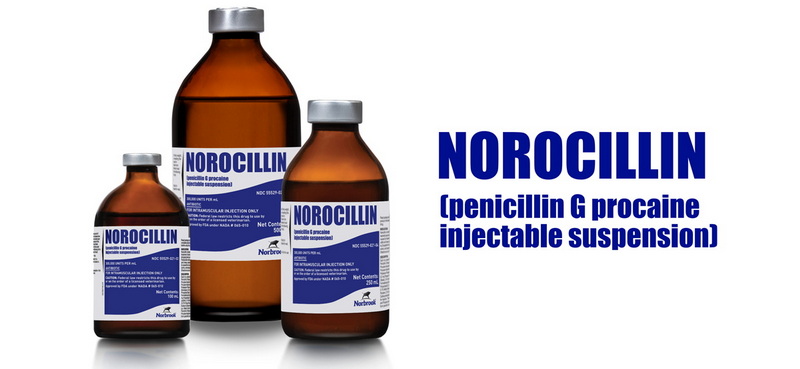
Besides local anesthesia, Lidocaine's versatility extends to anti-arrhythmic therapy and topical pain relief. It is also used in veterinary medicine for pain management during surgeries. Procaine's use is mostly limited to local anesthesia, though some veterinary applications exist.
A study comparing intraperitoneal administration of Lidocaine and Procaine in dogs undergoing surgery demonstrated that both drugs significantly reduced postoperative pain and stress responses, underscoring their analgesic efficacy beyond local numbing.
For international pharmaceutical manufacturers and distributors, sourcing high-quality Procaine Hydrochloride and Lidocaine is essential for safety and efficacy. Our factory (supplybenzocaine.co.uk) offers OEM production and supply services for both compounds, adhering to USP, BP, and EP pharmacopoeia standards. We ensure consistent quality and compliance to meet diverse market requirements.
Contact us for MOQ, customization, pricing, and delivery timelines tailored to your needs.
Procaine and Lidocaine are distinct local anesthetics with different chemical classifications, durations, and clinical uses. Lidocaine generally provides faster onset, longer-lasting anesthesia, and broader applications including cardiac uses, while Procaine offers shorter duration with lower neurologic side effects but higher allergy risks. Selection depends on the specific medical or dental procedure and patient considerations.
Reliable sourcing of pharmaceutical-grade Procaine and Lidocaine from a trusted OEM provider ensures quality, safety, and regulatory compliance. For your medical or manufacturing requirements, get in touch with us for professional guidance and personalized support.
Procaine is an ester-type anesthetic metabolized by plasma esterases, while Lidocaine is an amide-type, metabolized in the liver, affecting their duration and allergy profile.
Lidocaine acts faster (within 2-5 minutes) and lasts longer (1-2 hours) compared to Procaine, which has a slower onset and shorter action (30-60 minutes).
No, they are not fully interchangeable due to differences in onset, duration, allergy risks, and clinical suitability.
Procaine may cause allergic reactions related to PABA metabolites. Lidocaine may cause transient neurologic symptoms and systemic toxicity if overdosed.
Partner with reputable OEM suppliers like supplybenzocaine.co.uk who comply with international pharmacopoeia standards for Procaine and Lidocaine.
[1](https://www.nbinno.com/article/active-pharmaceutical-ingredients-apis/procaine-hydrochloride-lidocaine-comparative-analysis)
[2](https://pubmed.ncbi.nlm.nih.gov/11394516/)
[3](https://pubmed.ncbi.nlm.nih.gov/10834773/)
[4](http://www.ijvm.org.il/sites/default/files/7kilbar.pdf)
[5](https://www.sciencedirect.com/science/article/abs/pii/S1098733900900014)
[6](https://onlinelibrary.wiley.com/doi/10.1111/jvp.13493)
Hot tags: Procaine Vs Lidocaine, Local Anesthetics Comparison, Procaine Uses, Lidocaine Uses, Anesthetic Properties, Procaine Side Effects, Lidocaine Side Effects, Procaine Duration of Action, Lidocaine Duration of Action, Local Anesthesia Techniques