Content Menu
● Chemical Structure and Properties of Procaine
● Pharmacological Characteristics
● Clinical Applications and Uses
● Procaine versus Amide Local Anesthetics
● Safety Profile and Side Effects
● Manufacturing and OEM Opportunities in Procaine-Based Products
● Research and Development Trends
● Frequently Asked Questions (FAQ)
>> 1. What makes procaine an ester anesthetic?
>> 2. How is procaine metabolized in the body?
>> 3. What are the main clinical uses of procaine?
>> 4. How does procaine compare to lidocaine in terms of safety and duration?
>> 5. Are there non-anesthetic uses of procaine?
Procaine is a local anesthetic drug widely recognized for its extensive use in dental procedures and minor surgical interventions. It belongs to a class of compounds known as amino esters, specifically categorized as an ester-type local anesthetic. Chemically, procaine is the ester formed from the combination of para-aminobenzoic acid (PABA) and 2-diethylaminoethanol. The ester linkage within its molecular structure is pivotal in classifying it as an ester anesthetic, which distinctly sets it apart from amide anesthetics like lidocaine.
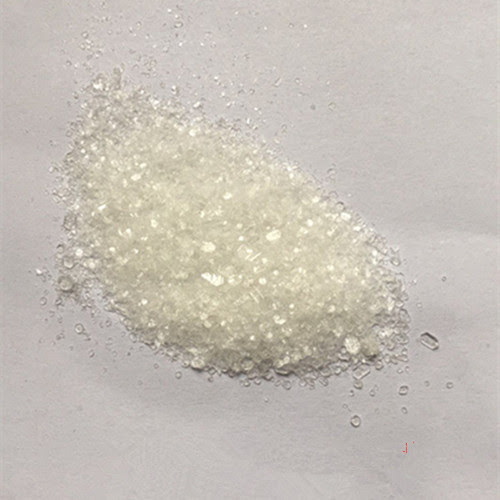
The molecular formula of procaine is C13H20N2O2, with a molecular weight of approximately 236.31 g/mol. Its structure features an aromatic ring derived from para-aminobenzoic acid, an ester linkage, and a diethylaminoethyl group. The ester bond is essential because it not only influences its metabolism but also governs its onset and duration of action. This bond is hydrolyzed by the enzyme pseudocholinesterase in plasma, breaking down procaine into para-aminobenzoic acid (PABA), which is then eliminated via the kidneys. This metabolic pathway is the key reason behind procaine's relatively short action compared to amide-type local anesthetics, which are predominantly processed in the liver.
Procaine exerts its effect by blocking voltage-gated sodium channels in nerve membranes, thereby preventing the initiation and transmission of pain signals toward the central nervous system. It acts as a prototype for ester-linked local anesthetics and is characterized by a lower toxicity but a shorter duration of anesthetic action. Also notable is procaine's vasodilatory property, which can increase systemic absorption when administered alone. To counteract this and prolong local anesthetic effect, it is often combined with vasoconstrictors such as epinephrine. This combination reduces blood flow at the administration site, limits systemic absorption, and thereby extends the effective duration.
Primarily, procaine is utilized for local anesthesia in dental practice—used for procedures such as tooth extractions, root canal treatments, and periodontal surgery. It is also employed in minor surgical procedures requiring localized numbness and pain relief. Historically, procaine was among the first synthetic local anesthetics developed and marketed widely. Nonetheless, with the advent of newer anesthetics like lidocaine, which offer longer duration and a lower incidence of allergic reactions, procaine's usage has declined in many clinical settings.
Beyond local anesthesia, procaine has historically been explored for several other medical applications. For example, it has been investigated for potential anti-aging benefits and as an adjunct therapy in neurological conditions such as dementia, arthritis, and cerebral atherosclerosis. However, these applications lack robust scientific validation and remain largely experimental or anecdotal.
One of the core distinctions between procaine and other widely used anesthetics like lidocaine lies in their chemical classification and metabolic pathways. Procaine, as an ester anesthetic, is metabolized by plasma esterases, while amide anesthetics undergo hepatic metabolism. This fundamental difference impacts pharmacokinetic properties, allergenic potential, and duration of anesthesia.
Amide anesthetics typically display longer-lasting effects because their breakdown process is slower and more complex than esters. They are also generally considered to have a lower risk of allergic reactions. The metabolite of ester anesthetics, para-aminobenzoic acid (PABA), is a known allergen, which means procaine may pose a higher allergy risk, particularly in individuals with hypersensitivity to ester-type drugs.
While procaine is considered to have a relatively low toxicity profile, adverse reactions can occur. Common side effects include localized burning or stinging upon injection, mild swelling, and redness at the site. Allergic reactions, although rare, can manifest as itching, rash, or in severe cases, anaphylaxis. Because the drug's metabolite PABA can trigger hypersensitivity, careful patient screening is necessary prior to administration.
Systemic toxicity due to accidental intravascular injection or overdose may present with symptoms including dizziness, tinnitus, numbness, tremors, convulsions, and even cardiovascular complications. However, routine use at recommended doses in clinical dentistry and minor surgery has maintained a relatively safe track record over decades.
For companies and brands seeking OEM partnerships in the pharmaceutical and biomedical sectors, procaine remains a significant compound of interest. Our manufacturing facility specializes in the development, production, and distribution of esters like procaine for local anesthetic formulations, ensuring compliance with international pharmaceutical standards. The demand for high-quality, safe, and effective anesthetics across global markets persists, encouraging continued innovation and customization in formulations.
The OEM service model offered includes customized formulation development, stability testing, quality assurance, and scalable production to meet diverse client requirements. Given the stringent regulations governing pharmaceuticals, partnering with an experienced manufacturer is crucial to guarantee product safety and efficacy. Businesses targeting dental, surgical, and research sectors can benefit from direct access to reliable procaine supplies tailored to their specifications.
Contemporary research continues to explore modifications of procaine's pharmacological profile to improve its duration, reduce allergenic potential, and minimize side effects. Efforts include synthesizing novel ester derivatives with enhanced metabolic stability and combining procaine with advanced delivery systems for controlled release.
In parallel, studies examining procaine's neuroprotective and anti-inflammatory effects in preclinical models provide a base for potential wider therapeutic uses. Although these remain investigational, the results could open new avenues for procaine or its analogs beyond traditional anesthesia.
Procaine is unequivocally an ester-type local anesthetic characterized by its ester chemical bond, which directly influences its metabolism, clinical effects, and safety profile. While it historically served as a pioneering agent in local anesthesia, its clinical application today is comparatively limited due to the availability of longer-acting and less allergenic amide anesthetics. Nonetheless, procaine maintains relevance in various medical and research contexts and represents a valuable product for pharmaceutical manufacturing partners. For businesses aiming to collaborate on OEM pharmaceutical development, our factory offers expert capabilities in producing high-quality procaine-based formulations compliant with global standards. Contact us for bespoke solutions and reliable supply partnerships.
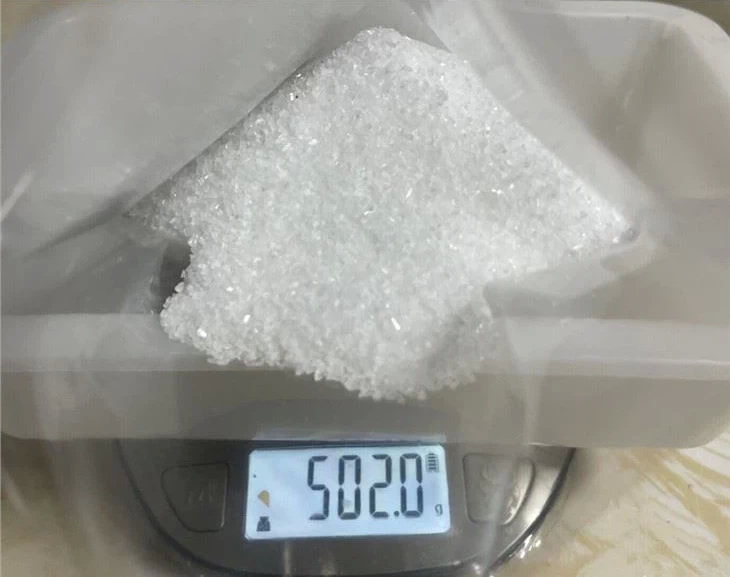
Procaine is classified as an ester anesthetic because its molecular structure contains an ester bond formed between para-aminobenzoic acid and 2-diethylaminoethanol. This ester linkage is key to its metabolism and pharmacological behavior.
Procaine is hydrolyzed by plasma enzyme pseudocholinesterase into para-aminobenzoic acid (PABA), a metabolite subsequently excreted via the kidneys. This process leads to its relatively short duration of anesthesia.
Procaine is primarily used for local anesthesia in dental procedures, minor surgical interventions, and peripheral nerve blocks to induce short-term numbness.
Procaine, as an ester anesthetic, has a shorter duration of action and a higher risk of allergic reactions due to the PABA metabolite. Lidocaine, an amide anesthetic, lasts longer and is associated with fewer allergies.
Although procaine has been investigated for anti-aging and neurological condition treatments, these uses lack strong scientific support and remain outside mainstream clinical practice.
[1] https://en.wikipedia.org/wiki/Procaine
[2] https://webbook.nist.gov/cgi/cbook.cgi?ID=59-46-1
[3] https://www.webmd.com/vitamins/ai/ingredientmono-391/procaine
[4] https://cymitquimica.com/cas/59-46-1/
[5] https://drpress.org/ojs/index.php/HSET/article/view/15331
[6] https://www.hmdb.ca/metabolites/HMDB0014859
[7] https://jglobal.jst.go.jp/en/detail?JGLOBAL_ID=200907067942726284
[8] https://www.rxlist.com/supplements/procaine.htm
[9] https://www.sciencedirect.com/topics/neuroscience/procaine
[10] https://go.drugbank.com/drugs/DB00721
[11] https://go.drugbank.com/salts/DBSALT000551
[12] https://flarer.ch/en/uses-and-beneficial-properties-of-procaine/
[13] https://pubmed.ncbi.nlm.nih.gov/12818948/
[14] https://pubchem.ncbi.nlm.nih.gov/compound/Procaine
[15] https://www.tcichemicals.com/JP/en/p/P1961
[16] https://www.drugs.com/mtm/procaine.html
[17] https://pmc.ncbi.nlm.nih.gov/articles/PMC6049527/
[18] https://www.sciencedirect.com/topics/pharmacology-toxicology-and-pharmaceutical-science/procaine
[19] https://www.kegg.jp/entry/D08422+D00740
[20] https://jamanetwork.com/journals/jama/fullarticle/1160031