Content Menu
● What Is Procaine Hydrochloride?
● Why Procaine Hydrochloride Is Used Rather Than Procaine
>> 1. Enhanced Water Solubility
>> 2. Improved Chemical Stability
>> 3. Better Pharmacological Performance
>> 4. Ease of Formulation and Administration
>> 5. Lower Risk of Side Effects
>> 6. Regulatory and Quality Control Compliance
● Chemical and Pharmacokinetic Profiles
● Uses of Procaine Hydrochloride
● Why Choose a Chinese Manufacturer for Procaine Hydrochloride?
● Frequently Asked Questions (FAQ)
>> 1. What is the difference between procaine and procaine hydrochloride?
>> 2. Why is procaine hydrochloride preferred over procaine for injections?
>> 3. What are the main medical uses of procaine hydrochloride?
>> 4. Are there side effects associated with procaine hydrochloride?
>> 5. Can Chinese manufacturers provide customized procaine hydrochloride products?
Procaine hydrochloride and procaine are both well-known compounds used primarily for their local anesthetic properties. While procaine itself is an active anesthetic agent, it is predominantly used in its hydrochloride salt form—procaine hydrochloride—in medical, pharmaceutical, and research applications. This article explores why procaine hydrochloride is preferred over procaine, the chemical and pharmacological reasons behind this choice, the advantages of procaine hydrochloride, and its uses. We also highlight the benefits for manufacturers and brand owners in utilizing procaine hydrochloride in formulations and OEM services.
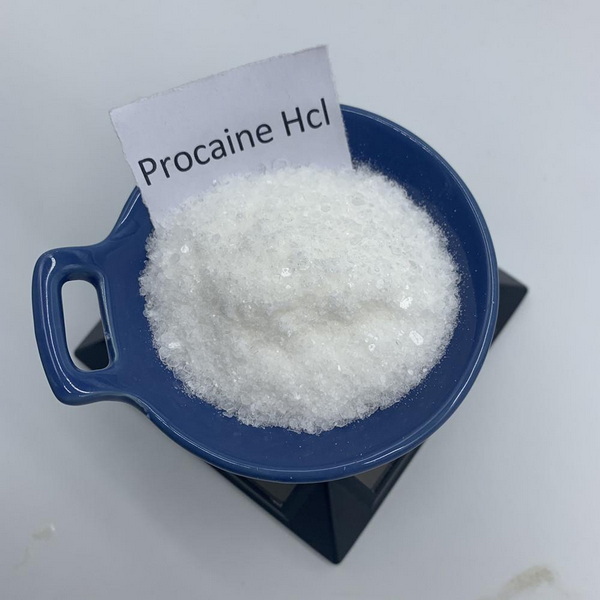
Procaine is a local anesthetic belonging to the amino ester group, originally developed as an alternative to cocaine to numb areas during dental work and minor surgical procedures. It works by interfering with the sodium channels in nerve membranes, thereby blocking nerve conduction and preventing pain signals from reaching the brain. However, procaine in its pure base form has limitations; it has a relatively slow onset of action and a short duration, and it is poorly soluble in water, which restricts its direct medical use.
In its base form, procaine is also chemically less stable and more susceptible to degradation over time. This instability affects its potency and limits its shelf life, making it a less favorable option for pharmaceutical formulations without modification.
Procaine hydrochloride is the hydrochloride salt formed by the reaction of procaine with hydrochloric acid. This salt form is much more water-soluble and chemically stable compared to the base procaine, making it suitable for injectable formulations and topical pharmaceutical products. Procaine hydrochloride is widely recognized by its trade name "Novocain," which became synonymous with local anesthesia in dental and minor surgical procedures.
Because of its solubility, procaine hydrochloride can be formulated into aqueous solutions that maintain consistent concentration and potency. This makes it far more practical for clinical use, ensuring predictable anesthesia and ease of administration.
The key limitation of procaine as a base is its very poor water solubility. When dissolved poorly, it is difficult to prepare consistent injectable or topical formulations at the precise dosage needed for safety and efficacy. Procaine hydrochloride, as a salt, dissolves readily in water, allowing for highly reproducible formulations. This critical factor allows anesthetics to act quickly and predictably upon administration.
Enhanced solubility also facilitates the mixing of procaine hydrochloride with other ingredients, which may be necessary in combined products or complex formulations for multifunctional use.
Procaine hydrochloride is chemically more stable than procaine base. The free base tends to degrade, especially when exposed to moisture, light, or air over time. This degradation leads to loss of anesthetic potency and potential formation of impurities. The hydrochloride salt protects the molecule from rapid breakdown, thereby prolonging shelf life and maintaining effectiveness from manufacturer to end-user.
This increased stability also ensures that the final pharmaceutical products comply with quality control measures and regulatory standards throughout distribution and storage.
Pharmacologically, procaine hydrochloride delivers a more reliable and consistent anesthetic effect. Since it dissolves rapidly when injected, the drug reaches nerve sites quickly to inhibit nerve impulses. This ensures a faster onset of anesthesia compared to the base form, which might take longer to disperse and act.
Moreover, the predictable absorption and metabolism reduce variability in patient responses, lowering the risk of under- or overdosing, which can affect safety and treatment outcomes.
From a pharmaceutical manufacturing perspective, procaine hydrochloride's solubility and stability are highly advantageous. Formulators can produce injectable solutions with accurate concentration control and less batch-to-batch variation. This simplifies production, quality testing, and regulatory compliance.
It also enables the creation of combination drugs. For instance, procaine hydrochloride is often combined with benzylpenicillin to create long-lasting antibiotic formulations, extending the antibiotic's therapeutic effects by slowing absorption.
Procaine hydrochloride generally exhibits a short duration of action, which is beneficial for brief surgical procedures and dental treatments. The relatively rapid metabolism results in fewer prolonged effects such as extended numbness or motor impairment. Also, it is metabolized into non-toxic compounds that are safely excreted, decreasing systemic toxicity risks.
While allergic reactions and local irritation can occur, these are relatively rare, especially when using the standardized hydrochloride salt preparations rather than inconsistent base formulations.
Medical regulators globally require pharmaceuticals to meet stringent purity, potency, and stability conditions. Procaine hydrochloride's better-defined chemical nature and ease of quality control testing make it easier for manufacturers to obtain the necessary approvals and certifications.
The hydrochloride salt form's stability reduces batch failures and supports longer shelf life, aligning well with supply chain demands for international markets.
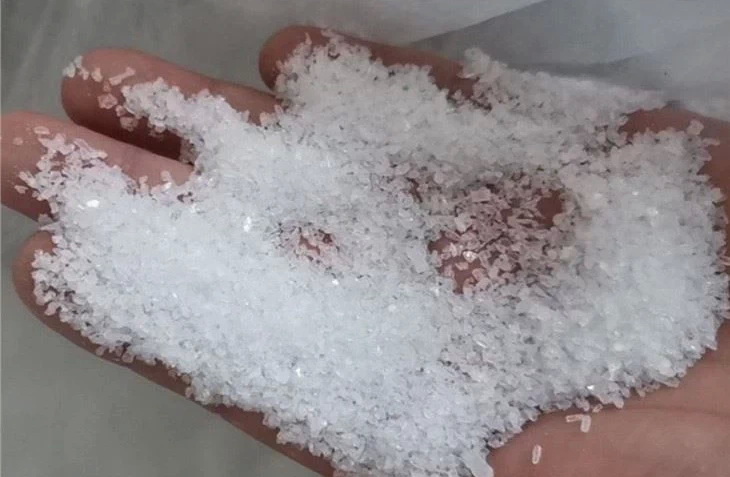
Chemically, procaine hydrochloride is known as 2-(diethylamino)ethyl 4-aminobenzoate hydrochloride, with molecular formula C13H21ClN2O2. It appears as a white crystalline powder with a melting point of approximately 154-157°C. It is soluble in water and ethanol but insoluble in ether or chloroform.
Pharmacokinetically, following injection, procaine hydrochloride is absorbed rapidly, reaching peak plasma concentrations within 1 to 3 hours. It works by blocking voltage-gated sodium channels in nerve membranes, stopping nerve impulse propagation and preventing pain sensations.
The drug is metabolized predominantly by plasma esterases into para-aminobenzoic acid (PABA) and diethylaminoethanol, which are then excreted via the kidneys. This metabolism explains its short duration and reduced toxicity.
Procaine hydrochloride finds versatile applications across healthcare:
- Local and Regional Anesthesia: It is widely employed in dentistry for infiltration anesthesia during tooth extractions, minor oral surgery, and periodontal procedures. It is also used for nerve blocks in minor surgeries on limbs and other body parts.
- Combination Antibiotic Formulations: It is combined with benzylpenicillin to prolong the antibiotic's action, as the anesthetic delays absorption and extends drug activity time.
- Neural Therapy: Clinicians sometimes use procaine hydrochloride injected into specific body regions to manage chronic pain syndromes, migraines, and inflammatory conditions by modulating nerve conduction and blood flow.
- Rejuvenation and Anti-aging Therapies: Some alternative medicine practices employ low-dose procaine hydrochloride injections to enhance circulation, reduce inflammation, and promote cellular rejuvenation, although clinical validation is limited.
- Veterinary Medicine: It is also used in veterinary settings as a local anesthetic and analgesic for minor procedures on animals.
Foreign brands, wholesalers, and pharmaceutical producers sourcing procaine hydrochloride from Chinese factories benefit from:
- Competitive Pricing: Chinese manufacturers often provide cost-effective pricing without compromising product quality, helping companies improve profit margins.
- OEM/ODM Services: Flexible original equipment and design manufacturing options allow for customized product formulations, packaging, and labeling tailored to client branding.
- Certified Quality: Many factories operate under GMP, ISO9001, and other international standards ensuring consistent, high-quality production.
- Experienced Export & Compliance Support: Skilled export teams navigate international regulations, documentation, and logistics, facilitating seamless global shipments.
- Capacity & Scalability: Large-scale production capabilities support orders of various sizes, ideal for brands seeking to expand product lines sustainably.
These factors make China a preferred partner for pharmaceutical ingredient sourcing, including procaine hydrochloride.
Procaine hydrochloride is unequivocally the preferred and standard form of procaine used in modern medical practice primarily because of its superior water solubility, chemical stability, and more predictable pharmacological profile. It enables safe, effective local anesthesia with quick onset, controllable duration, and lower risk of side effects. For pharmaceutical manufacturers and healthcare providers, procaine hydrochloride offers easier formulation, regulatory compliance, and reliable patient outcomes.
If you are a brand owner, wholesaler, or producer requiring high-quality pharmaceutical-grade procaine hydrochloride, partnering with experienced Chinese manufacturers can help you access competitive pricing, comprehensive OEM services, and certified product quality. Contact us today to explore how we can support your formulations with reliable supply and customization, ensuring your market success with superior anesthetic solutions.
Procaine is the free base anesthetic compound that is poorly soluble in water and chemically unstable. Procaine hydrochloride is the hydrochloride salt of procaine, which is water-soluble, chemically stable, and suitable for injection and pharmaceutical use.
Because procaine hydrochloride dissolves easily in water, it allows for consistent, effective injectable solutions with predictable anesthetic effects, unlike poorly soluble procaine base.
It is used for local anesthesia in dental care and minor surgeries, nerve blocks, combination formulations with antibiotics, and neural therapy applications for pain relief.
Side effects are generally minimal with proper use but can include local irritation or rare allergic reactions. It has a short duration and breaks down into non-toxic metabolites, reducing serious adverse events.
Yes, many Chinese factories offer OEM and ODM services, including custom formulations, packaging, and labeling tailored to client requirements and international regulatory standards.