Content Menu
● What is Procaine and Why It Matters in OEM Contexts
● Canadian Regulatory Landscape: A Practical Overview
● Classification and Compliance for Different Use-Cases
● Import and Supply-Chain Considerations for OEMs
● Best Practices for OEM Manufacturers Entering Canada
● Visuals and Media Integration Guidance
● FAQ
>> 1) Who regulates procaine-containing products in Canada?
>> 2) Can procaine be imported into Canada for OEM manufacturing?
>> 3) What labeling requirements are there for procaine products in Canada?
>> 4) Are there special considerations for veterinary products containing procaine?
>> 5) What penalties exist for non-compliance?
Procaine has a storied history as a local anesthetic used in dentistry and minor surgical procedures, and it also appears as a raw material or intermediate in pharmaceutical development. For foreign brands, wholesalers, and manufacturers offering OEM services in biotechnologies, medicine, and medical devices, navigating Canada's regulatory landscape is essential to ensure compliant sourcing, import, and marketing. This article presents a thorough examination of the Canadian regulatory environment as it pertains to procaine and procaine-containing products, practical pathways for OEM collaborations, and the operational steps required for reliable market entry. The discussion emphasizes the distinctions between pharmaceutical, veterinary, and research-use contexts, and it highlights how a structured compliance approach can minimize risk while accelerating access to Canadian customers.[11]
Procaine is an ester-type local anesthetic with historic clinical use and potential utility as an intermediate or active in certain formulations. For OEMs, the material's value lies in its predictable pharmacological profile, documented manufacturing routes, and established formulation practices when paired with appropriate excipients and delivery systems. However, the legal status of procaine—especially in powder form or as an isolated substance—depends on jurisdiction-specific controls related to medicines, controlled substances, and precursors to illicit drug synthesis. In Canada, regulatory scrutiny focuses on product classification, intended use, and compliance obligations across human medicines, veterinary medicines, and research materials. A careful assessment of product type, labeling, and distribution channels is essential before engaging with Canadian partners or customers.[11]
- Regulatory authorities and scope
- Pathways for pharmaceutical and veterinary products
- Import/export licensing and record-keeping
- Labeling, bilingual requirements, and pharmacovigilance
Canada operates a multi-layered framework where medicinal products, including anesthetics and related substances, must align with Health Canada oversight and the Food and Drugs Act and its regulations. Depending on whether procaine-containing items are intended for human medicine, veterinary medicine, or research applications, different licensing and documentation requirements apply. For OEMs supplying to Canadian brands or distributors, early engagement with regulatory consultants and bilingual labeling considerations are prudent steps.[6][11]
- Human-use pharmaceutical forms
- Veterinary medicines and medicated feeds
- Research-grade materials and intermediates
Each use-case follows its own approval or exemption pathway. Human-use products typically require pre-market authorization, label claims substantiation, and post-market obligations such as adverse drug reaction reporting. Veterinary products involve separate regulatory channels, often with veterinary prescription requirements or restricted-use provisions. Research-use materials may face fewer consumer-facing restrictions but still require traceability, quality controls, and export/import compliance. Understanding these distinctions helps OEMs define the correct supply chain and documentation.[4][6]
- Documentation for import and customs clearance
- GMP and supplier qualification practices
- Record-keeping, recalls, and post-market obligations
- Language and branding considerations for bilingual markets
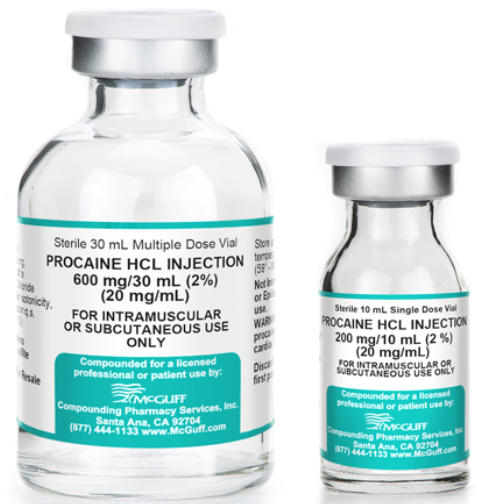
A robust compliance program includes supplier qualification, batch records, and a clear chain of custody for raw materials. For OEM operations, aligning with GMP standards and providing verifiable quality documentation reduces regulatory friction and supports faster onboarding of Canadian customers. Adequate labeling and packaging that meet bilingual requirements further streamline market access.[12][6]
- Engaging with Health Canada and other relevant authorities early
- Building a regulatory-focused product specification package
- Creating risk-management and quality-control protocols
- Establishing a partner network with Canadian distributors and suppliers
Proactive planning helps ensure that technical specifications, safety data, expiry information, and batch synthesis details are ready for review by regulatory stakeholders. A clear, well-documented supply agreement with defined responsibilities and change-control processes also mitigates compliance risks across the value chain.[6][12]
- Visuals to support regulatory flow, not as substitute for text
- Use high-quality infographics illustrating pathways for human and veterinary products
- Include manufacturing environment photos that demonstrate GMP-compliant facilities
- Short explainer videos (30–90 seconds) on labeling and import documentation
These media elements enhance comprehension for B2B audiences who rely on clear process visuals to assess feasibility and risk. Ensure all visuals have accurate captions and alt text to improve accessibility and comprehension.[12][6]
Canada's regulatory stance on procaine-related products depends on classification, use-case, and the specific regulatory pathways applicable to the product and market segment. For OEMs seeking Canadian opportunities, early regulatory engagement, meticulous supplier qualification, and rigorous documentation are critical strategies to reduce risk and accelerate market access. A disciplined compliance program, underpinned by GMP, bilingual labeling, and transparent pharmacovigilance practices, supports sustained success in Canada and serves as a blueprint for broader North American expansion.[6][12]
For brands, wholesalers, and manufacturers exploring procaine-containing products in Canada, supply-chain resilience and regulatory confidence are essential. Reach out to SupplyBenzocaine for expert OEM support, including regulatory strategy, supplier qualification, and end-to-end compliance services tailored to Canada. Let's discuss your product scope, timeline, and regulatory milestones to enable a smooth market entry.[12]
Contact us to know more!
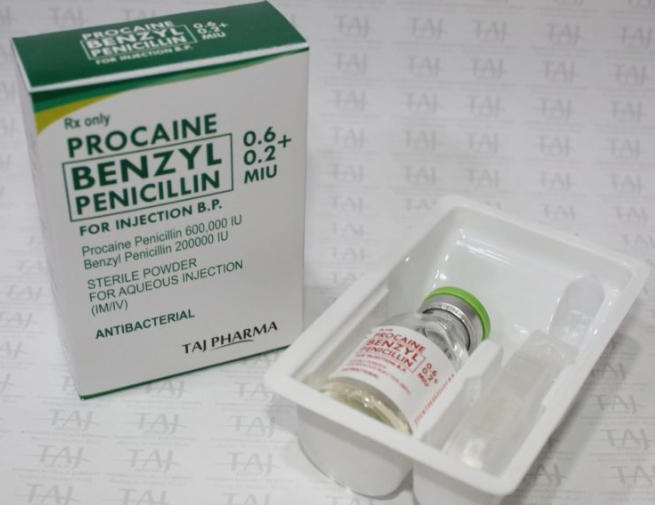
Answer: Health Canada governs medicinal products under the Food and Drug Regulations, with specific considerations for human and veterinary medicines, while the CDSA framework may apply to certain controlled substances or precursors. Early regulatory consultation is advised.[6][12]
Answer: Import eligibility is contingent on product classification, intended use, GMP compliance, and proper licensing. Engage with a regulatory expert and a licensed importer to confirm requirements.[12][6]
Answer: Canada generally requires bilingual (English and French) labeling for marketed products, including ingredient lists, dosing information, and safety statements, with accuracy and consistency across packaging.[6][12]
Answer: Veterinary products follow a separate regulatory pathway with potential prescription requirements and species-specific labeling and claims. Confirm the applicable veterinary regulations and product authorization.[3][4]
Answer: Non-compliance can lead to product seizures, recalls, fines, and potential enforcement actions, with penalties varying by severity and intent under Health Canada and related statutes.[3][6]
[1](https://www.bloomtechz.com/info/is-procaine-legal-100617016.html)
[2](https://www.bclaws.gov.bc.ca/civix/document/id/complete/statreg/9_98)
[3](https://www.ccsa.ca/sites/default/files/2019-04/CCSA-Canadian-Drug-Summary-MDMA-2017-en.pdf)
[4](http://inspection.canada.ca/en/animal-health/livestock-feeds/medicating-ingredients/penicillin)
[5](https://health-products.canada.ca/dpd-bdpp/info?lang=eng&code=19007)
[6](https://laws-lois.justice.gc.ca/eng/regulations/C.R.C.,_c._870/page-48.html)
[7](https://www.bclaws.gov.bc.ca/civix/document/id/loo70/loo70/12_9_98)
[8](https://laws.justice.gc.ca/eng/regulations/SOR-91-365/page-12.html?wbdisable=true)
[9](https://www.legisquebec.gouv.qc.ca/en/document/cr/p-10,%20r.%2012)
[10](https://en.wikipedia.org/wiki/Procaine)
[11](https://rcmp.ca/en/drugs/substances-controlled-and-illegal)
[12](https://www.supplybenzocaine.co.uk)
Hot tags: Procaine Legal Status Canada, Procaine Prescription Requirements Canada, Procaine Regulations Canada, Procaine Medical Use Canada, Procaine Drug Classification Canada, Procaine Legalization Canada, Procaine Availability Canada, Procaine Veterinary Use Canada, Procaine Import Regulations Canada, Procaine Safety Guidelines Canada