Content Menu
● Regulatory Landscape in the United States
>> Regulatory framework and key authorities
>> Typical forms and routes of legal use
>> Medical devices, research materials, and regulatory distinctions
● Procurement and OEM/ODM Considerations
>> Legal procurement channels for international buyers
>> OEM/ODM considerations for Chinese manufacturers
>> Qualification and due diligence
● Applications, Safety, and Handling
>> Legitimate applications in medicine and dentistry
>> Safety handling, storage, and risk management
>> Comparative landscape with other anesthetics
● Compliance, Risk Management, and Buyer Guidance
>> Verifying supplier credentials
>> Import compliance and labeling
>> Safety, ethics, and best practices
● FAQs
>> FAQ 1. What purity standards apply for procaine in the U.S. market?
>> FAQ 2. Can research institutions import procaine powder without a medical license?
>> FAQ 3. How do OEM/ODM services benefit a business sourcing procaine?
>> FAQ 4. What is the typical MOQ and lead time for bulk procaine powder orders?
>> FAQ 5. Are samples available before committing to a large order?
Procaine has a long history as a local anesthetic used in dental and various medical procedures. In the United States, the legal status of procaine depends on the form in which it is present (for example, procaine hydrochloride in approved pharmaceutical formulations versus raw procaine powder) and on the intended use. Legal pathways for acquiring procaine in the U.S. typically involve licensed medical professionals, approved formulations, and regulated supply chains. For international manufacturers considering entry into the U.S. market, understanding the regulatory framework, quality standards, and documentation requirements is essential to ensure compliant sourcing, manufacturing, and distribution. This article unpacks the regulatory landscape, legitimate procurement channels, and OEM/ODM considerations for buyers and manufacturers seeking to operate within the boundaries of U.S. law, with emphasis on GMP compliance, traceability, and safe handling. It also highlights practical steps for engaging with vetted, compliant suppliers, and how a China-based OEM partner can align with U.S. regulatory expectations for medical and pharmaceutical-grade materials. In addition, the article outlines how to structure an OEM collaboration that prioritizes safety, quality, and regulatory readiness for international brands, wholesalers, and producers exploring procaine-related materials.
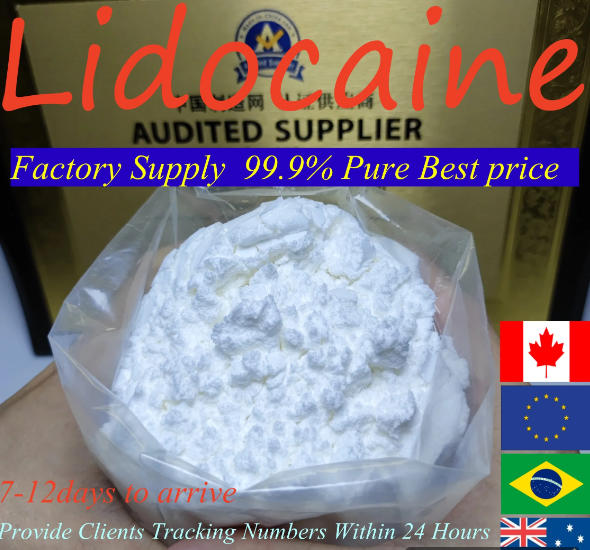
The U.S. Food and Drug Administration (FDA) oversees the approval, labeling, marketing, and prescription status of local anesthetics including procaine in its approved pharmaceutical formulations. FDA-approved formulations such as procaine hydrochloride are typically administered by qualified healthcare professionals in controlled clinical settings. Any procurement of raw or bulk procaine powder for laboratory or manufacturing use must navigate additional regulatory considerations, including controlled substance status, import/export controls, and good manufacturing practice (GMP) requirements. The regulatory framework emphasizes patient safety, product quality, and clear pharmacological indications. Suppliers and manufacturers operating in this space must maintain robustDocumentation, lot tracing, and quality-control processes to comply with FDA expectations and related state-level regulations. For current, precise guidance, consult FDA resources and regulatory counsel before initiating any purchasing or formulation activity.[2][3][4]
In the United States, procaine is most commonly encountered as procaine hydrochloride in concentrations used for infiltration anesthesia, nerve blocks, or regional anesthesia under professional supervision. The clinical use of these formulations is tightly tied to established dosing guidelines and physician oversight. Pure procaine powder, if considered for research or manufacturing purposes, is generally subject to licensing, controlled-access protocols, and rigorous supplier qualification. These distinctions underscore the importance of engaging licensed distributors and adhering to approved pharmaceutical-grade specifications when importing or producing procaine-related materials.[1][2]
The regulatory environment draws a clear line between devices, medicines, and research reagents. When procaine is used as an active pharmaceutical ingredient (API) in approved medicines, it follows drug regulation pathways. When the substance is used as a research chemical or raw material for development, it may be subject to university or institutional approvals, export/import controls, and facility-specific GMP requirements. Responsible procurement involves confirming regulatory status for the exact product form, intended use, and target market.[1][2]
International buyers should pursue licensed, reputable distributors and importers with clear regulatory credentials and documented quality systems. Verification should include GMP-compliant manufacturing, COAs, batch records, and traceability across the supply chain. Ensuring proper licensing and compliance reduces regulatory risk and supports smooth import into the U.S. market.[2][1]
For OEM/ODM collaborations, alignment with U.S. regulatory expectations is critical. Key considerations include:
- GMP-compliant production facilities and validated processes
- Comprehensive quality-control systems and QC documentation
- Detailed batch records, COAs, and traceability from raw materials to finished product
- Clear technical specifications, safety data sheets, and proper labeling
- Regulatory support for product registration, if applicable
Such practices build trust with U.S. brand owners, distributors, and healthcare providers and help ensure a compliant, scalable supply chain.[1][2]
Buyer due diligence should cover supplier licenses, facility audits, and regulatory standing. Request evidence of GMP accreditation, ISO certifications, and supplier audit reports. Confirm that the supplier can provide complete regulatory documentation, including COAs and stability data where relevant. A robust due-diligence process mitigates regulatory and quality risks.[2][1]

Procaine and its pharmaceutical formulations are employed in dermatology, dentistry, and certain minor procedures under professional supervision. When used appropriately and by trained clinicians, these applications are generally legal and standard practice. The safety profile depends on dose, route, and patient factors, underscoring the need for professional administration.[3][2]
Local anesthetics require proper storage away from heat, moisture, and light, with controlled access and pet-safe or child-safe packaging where applicable. Handling procedures should reflect standard operating practices (SOPs) and be aligned with institutional safety programs. Documentation and traceability support risk management and regulatory compliance.[1][2]
Procaine is one of several ester-type local anesthetics; modern clinical practice increasingly includes alternatives with varying pharmacokinetics and safety profiles. Clinicians may choose agents based on onset, duration, patient comorbidities, and procedural requirements. This landscape informs OEM choices for manufacturers—emphasizing product stability and regulatory compatibility.[3]
Diverse voices on legality and practical use
- Professionals emphasize that legality is tied to formulation and professional supervision, not merely possession of the substance. Compliance frameworks often require licensing, inventory controls, and strict handling guidelines for any non-clinical use.[2][1]
- Regulatory summaries note that while certain procaine formulations are FDA-approved for specific clinical uses, raw powder or non-approved forms may face tighter controls or prohibitions depending on jurisdiction. Always verify current local law and obtain professional legal counsel.[1][2]
To minimize risk, buyers should verify supplier licenses, GMP status, and regulatory compliance history. Confirm the supplier's ability to provide regulatory-compliant documentation, including COAs and batch records. Documentation should be auditable and consistent with U.S. requirements for pharmaceutical ingredients.[2][1]
Importing any pharmaceutical ingredient or raw material requires accurate labeling, appropriate declarations, and adherence to FDA import requirements. Proper documentation, including certificates of analysis, material safety data sheets, and regulatory notices, supports successful clearance at U.S. ports.[1][2]
Ethical sourcing and patient safety must remain central. Avoid circumventing regulatory controls, and ensure all activities align with medical ethics, professional practice guidelines, and legal requirements. A compliant supply chain protects brand integrity and patient welfare.[2][1]
Legality hinges on the precise form, intended use, and professional supervision when applying procaine in the United States. For international manufacturers and buyers, the clearest path to compliant procurement is through licensed, GMP-certified suppliers and OEM partners who can provide full regulatory documentation, rigorous quality control, and robust traceability. A trustworthy OEM collaboration—grounded in GMP practices, clear technical specifications, and comprehensive documentation—enables safe, compliant access to procaine-related materials for pharmaceutical, medical-device, and research applications. For brand owners and distributors seeking a reliable, compliant supply chain, engaging with a capable Chinese OEM partner offers scalable manufacturing, regulatory alignment, and international logistics expertise, helping accelerate market entry while maintaining the highest safety and quality standards. If seeking a trusted partner with deep biotech and pharma capabilities, contact our team to discuss customized, compliant solutions tailored to your product portfolio.[1][2]
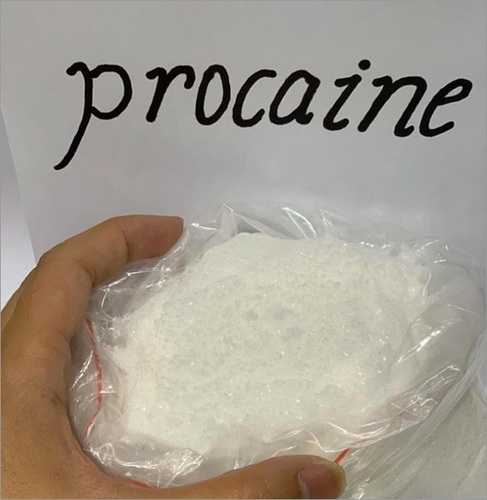
- Pharmaceutical-grade procaine formulations conform to established pharmacopeial quality standards (e.g., USP/NF equivalents) and are accompanied by certificates of analysis and stability data. Purity ensures safety and efficacy for clinical use; raw materials require strict verifications and regulatory compliance.[2]
- Research use under proper institutional oversight may be possible with applicable licenses, permits, and institutional review—subject to local and federal regulations governing controlled substances and research reagents. Always consult regulatory counsel and institutional compliance offices.[2]
- OEM/ODM partnerships provide customization, scalable manufacturing, and regulatory support, accelerating time-to-market while ensuring GMP-compliant production, proper documentation, and device or pharmaceutical-grade quality control. This reduces regulatory risk for international buyers.[1][2]
- Minimum order quantities and lead times are supplier-specific and depend on purity requirements, packaging, and regulatory clearance steps. Negotiation points include lot size, contract terms, and stability testing timelines.[1][2]
- Sample programs are commonly offered by reputable suppliers to verify purity, potency, and compatibility with intended applications. Ensure samples come with COAs and safety data for independent testing.[2]
[1](https://www.bloomtechz.com/info/is-procaine-legal-100617016.html)
[2](https://www.ncbi.nlm.nih.gov/books/NBK551556/)
[3](https://en.wikipedia.org/wiki/Procaine)
[4](https://www.federalregister.gov/documents/2015/10/13/2015-25919/new-animal-drugs-for-use-in-animal-feed-withdrawal-of-approval-of-a-new-animal-drug-application)
[5](https://en.wikipedia.org/wiki/Procaine_benzylpenicillin)
[6](https://farad.org/pdf/010122UpdateWIProcainePenicillinG.pdf)
[7](https://www.fda.gov/emergency-preparedness-and-response/mcm-legal-regulatory-and-policy-framework/expiration-dating-extension)
[8](https://pubchem.ncbi.nlm.nih.gov/compound/Procaine)
[9](https://clinicaltrials.gov/study/NCT06717724)
Hot tags: Procaine Legal Status, Procaine Prescription Requirements, Procaine Use in USA, Procaine Regulations, Procaine Medical Applications, Procaine vs Cocaine, Procaine Side Effects, Procaine Availability, Procaine Legal Issues, Procaine FDA Approval