Content Menu
● The Legal Status of Procaine: An International Perspective
>> Europe
● Pharmaceutical Forms and Legal Implications
● Safety Considerations and Medical Use
● Online Purchasing and Legal Risks
● Veterinary Applications of Procaine
● Procaine and the Illicit Drug Trade
● Regulatory and Quality Control Aspects
● Responsible Handling and Dosage
● Frequently Asked Questions (FAQ)
>> 1. What is Procaine, and What Is It Used For?
>> 2. Is It Legal to Buy Procaine Online?
>> 3. Are There Any Legal Exceptions to Procaine Purchase?
>> 4. Can Procaine Be Used for Veterinary Purposes?
>> 5. What Are the Risks of Illegal Possession or Use of Procaine?
Procaine, commonly known by its trade name Novocain, is a synthetic local anesthetic that has played a vital role in medicine for over a century. It is particularly favored in dental, surgical, and certain cosmetic procedures due to its effectiveness in safely numbing targeted areas. However, when it comes to its legal status, the answer is nuanced and depends on geographic location, application, and intended use. This article offers an in-depth exploration of procaine's legal landscape, uses, risks, sourcing, and frequently asked questions.
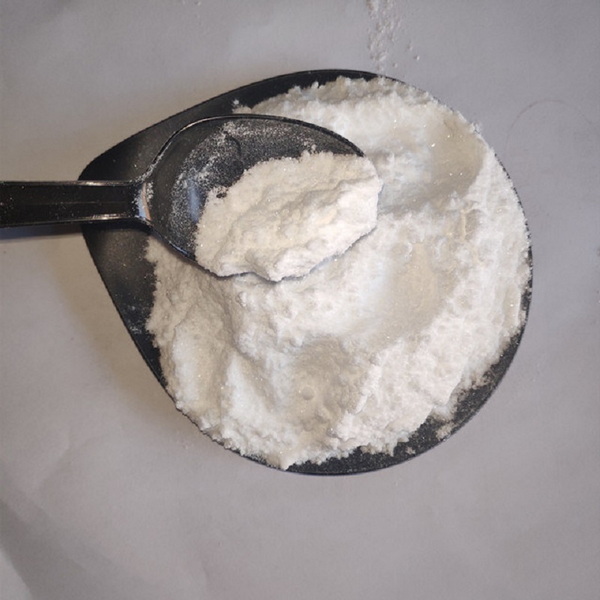
Procaine is an amino ester local anesthetic that interrupts the transmission of nerve impulses, resulting in temporary loss of sensation in the area where it is administered. Developed in the early 20th century, its key advantage lay in providing pain relief for medical procedures with relatively fewer complications compared to its predecessor, cocaine.
Today, newer anesthetics have largely supplanted procaine in common clinical practice due to improved efficacy and reduced allergy risk. Still, procaine retains specialized uses, especially in dental work and certain medical research settings.
Beyond its anesthetic properties, procaine has also been investigated for other potential therapeutic benefits. Some research suggests it may have anti-inflammatory effects or play a role in treating certain neurological conditions, though these uses remain experimental and are not widely approved.
Procaine works by blocking sodium channels in nerve cells, preventing the initiation and transmission of nerve signals. By doing so, it temporarily numbs the tissues in the area of injection, rendering that region insensitive to pain. Because procaine is rapidly metabolized by plasma esterases, its duration of action is relatively short, which can be advantageous in brief medical procedures.
Understanding the pharmacokinetics and pharmacodynamics of procaine is crucial for safe administration. Its onset time is usually within a few minutes, and the anesthetic effect typically lasts 15 to 60 minutes, depending on dosage and site of administration.
In the U.S., procaine is a prescription drug. Its sale, possession, and use are regulated primarily by the Food and Drug Administration (FDA) and the Drug Enforcement Administration (DEA). Procaine may be legally purchased, possessed, and administered — but only by, or on the prescription of, a licensed medical professional. Over-the-counter sales for human use are not permitted.
This regulatory framework focuses on ensuring patient safety, preventing misuse, and controlling quality. While procaine itself is not classified as a controlled substance, its association with anesthetic and potentially addictive compounds means authorities carefully monitor its distribution.
Certain exceptions exist in a very limited context. For example, in Nevada, oral doses of procaine hydrochloride (with certain additives) may sometimes be dispensed without a prescription under strict conditions, including detailed record-keeping by pharmacists or practitioners. Such exceptions are rare and subject to ongoing regulatory review.
Across most European countries and the United Kingdom, procaine is classified as a prescription medicine. Under the European Medicines Agency (EMA) regulations and similar national frameworks, procaine is only legally available for legitimate medical or scientific purposes.
In the UK, the Human Medicines Regulations control procaine's distribution and use. Unauthorized sale, possession, or importation is prohibited and may lead to arrest or prosecution. Online sales of procaine are scrutinized or outright banned, given the risks of counterfeit or substandard products.
Legal frameworks in Asian countries such as China, India, Japan, and Russia align closely with Western regulations. Procaine is reserved strictly for medical and licensed industrial use. Its manufacture and sale are tightly controlled through national pharmaceutical agencies.
In China, as a major manufacturer of pharmaceutical ingredients, procaine production is restricted to approved factories with stringent quality and regulatory oversight. Unauthorized importation, exportation, or use can warrant severe penalties.
Similarly, countries throughout South America, Africa, and Oceania regulate procaine under their prescription drug laws. The consistent theme worldwide is that unlicensed possession, sale, or use of procaine is illegal.
Procaine is available primarily in two types of forms, each carrying distinct legal implications:
- Pharmaceutical preparations: These include sterile injectable solutions typically contained in vials or ampoules for clinical use. These preparations are produced under strict GMP (Good Manufacturing Practice) conditions and are subject to prescription-only regulations globally.
- Pure procaine powder: Raw powder form of procaine hydrochloride is used mainly in pharmaceutical manufacturing or research laboratories. Given its high potency and potential misuse, pure powder is almost universally restricted to licensed entities. Unauthorized possession or distribution of raw powder often triggers stricter legal consequences than finished products.
The form you seek affects not only legality but also safety. Pharmaceutical-grade preparations have controlled pH, preservatives, and quality assurance, essential to prevent adverse reactions in patients.
When administered by qualified professionals at the correct dose, procaine is generally safe and effective. It is commonly used in dentistry, minor surgeries, and regional anaesthesia. Proper technique, dosage calculation, and patient monitoring mitigate risks significantly.
However, procaine can cause side effects, including allergic reactions ranging from mild skin rash to severe anaphylaxis. Other adverse effects may include dizziness, palpitations, nausea, and in rare cases, central nervous system toxicity such as seizures.
Due to its short duration, procaine is sometimes combined with vasoconstrictors like adrenaline to prolong effect and reduce bleeding. Such combinations are only legally administered under medical supervision.
Non-medical use—such as self-injection or recreational consumption—carries serious health risks and is illegal. Overdose or incorrect administration can lead to profound toxicity, including cardiac arrhythmias and respiratory failure.
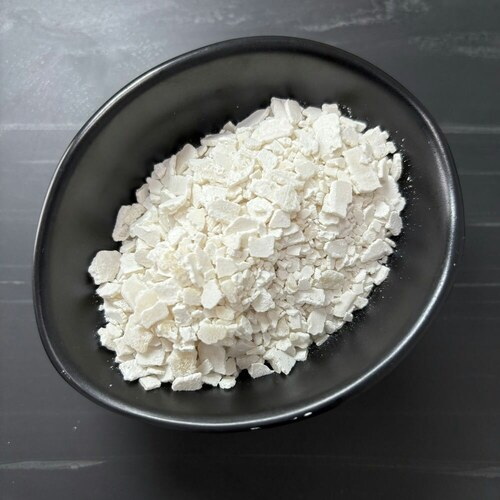
The internet has made sourcing chemicals like procaine easier but fraught with legal and health dangers. Most online marketplaces that claim to sell procaine operate without regulatory approval, making their products potentially counterfeit, contaminated, or illegally imported.
Purchasing procaine online without prescription is illegal in nearly every country. Buyers risk prosecution, loss of funds, and severe health consequences due to unknown product quality.
Furthermore, customs inspections often confiscate unauthorized shipments of procaine. Repeat offenses may attract harsher legal penalties, including criminal charges.
Certain formulations of procaine are approved for veterinary medicine. Notably, procaine penicillin G is widely used as an antibiotic in livestock and pets, combining antibacterial effects with local anesthetic action.
Veterinary procaine formulations are subject to specific legal limits: they must be administered by licensed veterinarians or under their direct supervision. Unauthorized use or distribution in animals is punishable by law.
The presence of veterinary uses adds complexity to procaine's legal status because pharmaceutical companies and regulatory agencies maintain separate but parallel frameworks for human and animal drugs.
Procaine has occasionally found use in illegal drug manufacturing. Notably, it may be added as a cutting agent to illicit cocaine to mimic effects and increase bulk. This association complicates law enforcement efforts and heightens regulatory scrutiny.
Possession or sale of procaine linked to illegal narcotics trafficking results in severe criminal charges, jeopardizing individuals and organizations involved.
Therefore, legitimate businesses must maintain clear supply chain transparency and full documentation to avoid suspicion and comply with legal standards.
Legal procurement of procaine, especially in powder or bulk form, requires strict quality control and traceability:
- Certification: Producers and suppliers should hold relevant pharmaceutical manufacturing licenses.
- Documentation: Every batch must come with certificates of analysis (COA), material safety data sheets (MSDS), and detailed production records.
- Compliance: Full compliance with national drug regulations, export-import controls, and customs paperwork is essential.
Such measures prevent counterfeit distribution, ensure patient safety, and reduce the risk of regulatory violations.
As a pharmacologically active substance, procaine requires careful handling:
- Only licensed professionals should prepare, administer, or dispose of procaine and its derivatives.
- Dosage must be tailored to patient-specific factors such as age, weight, health status, and procedure type.
- Use in special populations (pregnant women, children, elderly) requires additional caution.
Improper handling may lead to contamination, dosing errors, or accidental exposure, putting healthcare workers and patients at risk.
The legal status of procaine is complex and varies by country but generally revolves around strict prescription regulations and controlled manufacture, distribution, and use. While procaine remains an important local anesthetic in medicine and veterinary care, unauthorized possession or sale is illegal and can have serious legal and health consequences.
Businesses, researchers, and healthcare providers should source procaine only from reputable, licensed manufacturers or suppliers that guarantee high-quality products compliant with relevant regulations. Ensuring proper documentation and transparent supply chains is crucial to avoid legal pitfalls.
If you are looking for premium-quality procaine with professional OEM services from a trusted Chinese manufacturer, we offer tailored solutions with complete regulatory compliance to support your pharmaceutical, veterinary, or research needs.
Contact us today for expert advice, custom formulations, and competitive pricing. Our dedicated team ensures consistent product quality, thorough documentation, and exceptional service—your trusted partner in navigating the legal and regulatory landscape of procaine supply.
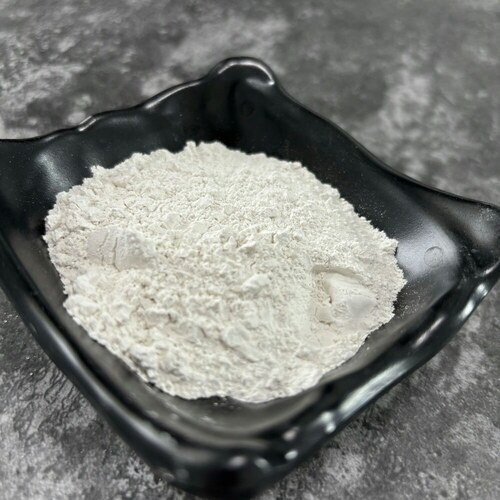
Procaine is a local anesthetic used to temporarily numb tissues in medical and dental procedures. It blocks nerve signals to prevent pain and is considered safe under professional supervision.
In almost every country, purchasing procaine online without a valid prescription is illegal. Online vendors may sell counterfeit or unsafe products, and buyers risk legal penalties.
Certain rare exceptions exist, such as stabilized oral procaine formulations in specific U.S. states, but these are limited, regulated, and require strict record-keeping.
Yes, specific procaine-based drugs are approved for veterinary use but must only be administered by veterinarians or under their direct supervision.
Illegal possession, distribution, or importation may lead to criminal charges, fines, confiscation, and even imprisonment. Misuse also poses serious health risks including overdose and allergic reactions.
Hot tags: Procaine Legal Status, Is Procaine Legal, Procaine Prescription Laws, Procaine Use Legality, Procaine Regulations, Procaine Legal Issues, Procaine in Medicine, Procaine Legal Guidelines, Procaine Drug Laws, Procaine Usage Legality