Content Menu
● Ester vs. Amide Local Anesthetics
● Procaine's Chemical Structure and Properties
● Safety Profile and Side Effects
>> Central Nervous System Effects
● Comparison: Procaine (Ester) vs. Lidocaine (Amide)
● OEM and Manufacturing Perspectives
● FAQs
>> 1. What makes Procaine an ester anesthetic?
>> 2. Why is Procaine less commonly used than Lidocaine today?
>> 3. What are the main clinical uses of Procaine?
>> 4. How is Procaine metabolized in the body?
>> 5. Is Procaine safe for allergic individuals?
In the world of anesthetics, understanding the distinction between esters and amides is crucial. Procaine, also famously known by the trade name Novocain, stands as an iconic figure in the realm of local anesthetics. But what exactly is Procaine – an ester or an amide? This comprehensive guide dives deep into Procaine's chemical nature, mechanism of action, clinical uses, safety, and unique differentiation from other anesthetic types, tailored for healthcare professionals, students, and decision makers in pharmaceutical sourcing and OEM services.
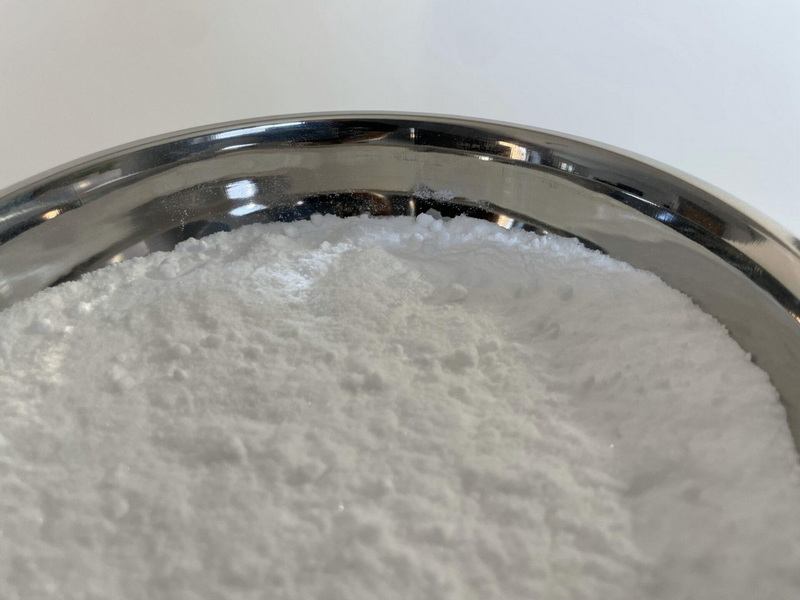
Procaine is a local anesthetic from the amino ester family, most renowned for its use in dental procedures and pain reduction during minor surgeries. First synthesized in 1905 by Alfred Einhorn, this compound was developed as a less addictive and safer alternative to cocaine, which had previously dominated the field of anesthesia. Procaine's introduction marked a turning point, ushering in a new era of safer and more controlled local anesthesia in medical practice.
Procaine works by blocking nerve signal transmission in a targeted area, providing effective numbing and reducing pain sensations during procedures such as tooth extractions, minor skin surgeries, and diagnostic interventions. Its discovery spurred the development of numerous other local anesthetics, building the foundation for modern anesthesia pharmacology.
Local anesthetics are chemically classified into two main groups: esters and amides. This classification hinges on the chemical bond that connects the aromatic ring and the intermediate chain within the anesthetic's molecular structure. Procaine falls under the ester category.
The significant differences between esters and amides include their metabolism, allergic potential, chemical stability, and clinical applications. Ester anesthetics like procaine contain an ester linkage (–COO–), and they are rapidly metabolized by plasma cholinesterase enzymes into para-aminobenzoic acid (PABA), which can cause allergic reactions in susceptible individuals. Amides, on the other hand, contain an amide linkage (–NHCO–) and are primarily metabolized by the liver cytochrome P450 enzymes, making them more chemically stable and with a lower risk of allergy. Notable amide anesthetics include lidocaine and bupivacaine, favored for their prolonged duration and reliable safety profile.
A simple mnemonic widely used to identify the class is that esters have generics with one “i” (such as Procaine), while amides have two “i”s (such as Lidocaine) in their names.
The molecular formula of procaine is C13H20N2O2, and its chemical name is 2-(diethylamino)ethyl 4-aminobenzoate. The ester group (–COO–) is the defining feature of its molecular action and classification. This ester linkage is less stable in solution compared to amide bonds and is subject to rapid hydrolysis by esterases present in the plasma.
This rapid metabolism explains procaine's relatively short duration of action, typically lasting around 30 to 60 minutes. Because of this, it is often used for procedures that do not require prolonged anesthesia and for situations where rapid recovery from numbness is desired.
Procaine produces anesthesia by blocking voltage-gated sodium channels located on the neuronal cell membrane. These channels regulate the influx of sodium ions, which are essential for the initiation and conduction of nerve impulses. When procaine blocks these channels, it prevents depolarization of the nerve membrane, effectively stopping the transmission of pain signals to the brain.
The process involves several key steps:
- Procaine molecules diffuse through the nerve sheath and bind to sodium channel receptors inside the nerve cells.
- This binding inhibits sodium ion permeability, halting the generation and conduction of action potentials.
- As a result, the perception of pain is temporarily eliminated in the targeted area.
- The effect is reversible and lasts until the drug is metabolized and removed from the site.
Apart from sodium channel blockade, procaine does not significantly affect other ion channels at therapeutic doses, which helps limit systemic side effects when used properly.
Procaine is administered via infiltration (intradermal or subcutaneous injection), nerve block, or sometimes in combination with other drugs, such as penicillin, to reduce injection site pain. It has a slower onset and shorter duration compared to amide anesthetics, which is related to its rapid hydrolysis by plasma cholinesterases.
Once administered, procaine is rapidly broken down in the bloodstream into para-aminobenzoic acid (PABA) and diethylaminoethanol. PABA is largely responsible for the allergic potential seen with ester anesthetics, whereas diethylaminoethanol is later metabolized and eliminated primarily in the urine.
Because of its quick metabolism, procaine is rarely detected in systemic circulation for a long period, reducing systemic toxicity but necessitating repeated dosing or continuous infusion for prolonged surgical procedures.
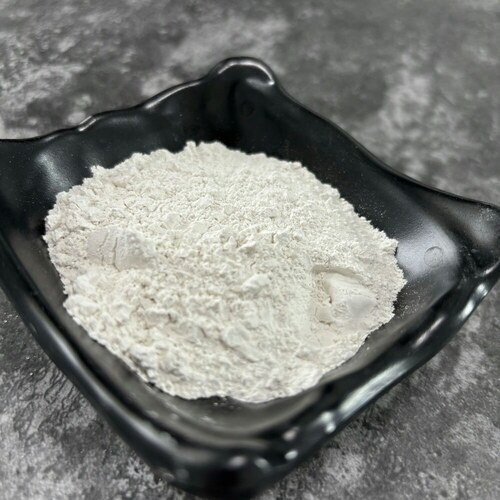
Despite being one of the oldest local anesthetics, procaine still holds relevance today in various clinical contexts:
- Dental Procedures: Procaine is commonly used to provide local anesthesia in dental restorations, extractions, and gum surgeries.
- Minor Surgical Procedures: It is effective for numbing small areas of skin or mucous membranes in outpatient surgical settings.
- Procaine Penicillin: The combination of procaine with penicillin G slows absorption of the antibiotic, reducing injection pain and maintaining elevated blood concentration over time.
- Diagnostic Nerve Blocks: Occasionally, procaine is used to locate the source of nerve pain or to provide temporary pain relief in certain neuropathic conditions.
- Veterinary Medicine: Due to its cost effectiveness and rapid action, procaine remains widely used in veterinary procedures.
Procaine carries a higher risk of allergic reactions compared to amide anesthetics. This is primarily due to the formation of PABA, a common allergen that can induce hypersensitivity responses. Allergy symptoms can range from localized skin rashes and itching to systemic anaphylactic reactions in rare but serious cases.
It is important for clinicians to obtain patient allergy histories before prescribing or administering procaine and to consider alternative anesthetics in patients with known ester allergies or prior hypersensitivity.
In overdose or accidental intravenous injection, procaine can affect the central nervous system (CNS), leading to:
- Nervousness and restlessness
- Dizziness and tinnitus
- Muscle twitching, tremors, and, in severe cases, seizures
Most CNS-related side effects are dose-dependent and reversible upon cessation of drug administration.
At high doses, procaine may cause:
- Hypotension (low blood pressure)
- Bradycardia or arrhythmias (irregular heartbeats)
- Weakening of myocardial contractility
These effects are uncommon during routine use but warrant careful monitoring during high-dose or continuous infusions.
- Local site reactions such as redness, swelling, or mild inflammation can occasionally occur.
- Procaine is contraindicated in patients with pseudocholinesterase deficiency, as this condition prolongs drug metabolism, increasing toxicity risk.
- Patients with autoimmune diseases such as systemic lupus erythematosus (SLE) should use procaine cautiously under medical supervision.
Lidocaine, an amide-based anesthetic, has largely supplanted procaine in clinical practice due to its advantages. Here are some key points of comparison:
- Chemical Stability: Lidocaine is more stable in solution than procaine.
- Onset and Duration: Lidocaine acts faster and lasts longer than procaine.
- Metabolism: Lidocaine's metabolism is primarily hepatic, allowing more predictable pharmacokinetics in patients with normal liver function.
- Allergy Risk: Lidocaine has a much lower risk of allergic reactions since it does not produce PABA.
- Usage Preference: Lidocaine is widely preferred for most types of local and regional anesthesia in modern clinical practice.
Despite these benefits, procaine remains useful in settings where short-duration anesthesia is desired or for patients who may be sensitive to amide anesthetics.
For pharmaceutical manufacturers, wholesalers, medical device brands, or contract manufacturers interested in procaine products, the following considerations are crucial:
- Raw Materials: Procaine usually comes as a hydrochloride salt to improve solubility and stability.
- Formulations: Manufacturers produce injectable solutions, topical forms, and compounded preparations tailored to various applications.
- Quality Control: Strict assays ensure the absence of impurities, correct concentration, and compliance with pharmacopoeial standards.
- Regulatory Compliance: Certifications such as GMP and ISO are mandatory for export to international markets.
- OEM Services: Suppliers like supplybenzocaine.co.uk offer OEM tailored formulations, ensuring easy integration into finished healthcare products, with technical support and regulatory assistance.
Manufacturers using procaine must also consider packaging, shelf-life stability, and cold-chain requirements where applicable, ensuring the drug retains its potency and safety throughout distribution.
Procaine is definitively an ester local anesthetic, distinguished by its chemical structure containing an ester linkage, rapid metabolism by plasma esterases, and a relatively short duration of action. Although largely replaced in many clinical applications by amide anesthetics such as lidocaine, procaine maintains its niche roles in dental anesthesia, minor surgical procedures, and pharmaceutical combinations like procaine penicillin.
Its higher allergenic potential due to PABA production requires cautious use in patients with known allergies. For pharmaceutical and medical device companies, understanding the unique properties of procaine is vital for product development, quality control, and choosing the right compound for targeted applications.
If you are seeking a reliable supplier of high-quality procaine for your brand or product innovation, partnering with an experienced OEM provider guarantees access to superior materials, compliance assurance, and customized service to meet your specific healthcare manufacturing needs.
Contact supplybenzocaine.co.uk today to discuss your project requirements, request samples, and benefit from expert support in the development and supply of trusted local anesthetics, including procaine.
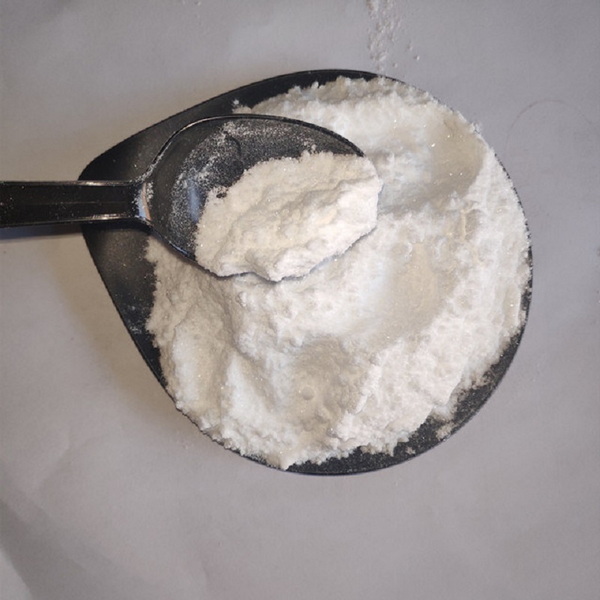
Procaine contains an ester bond (–COO–) in its molecular structure, differentiating it from amide anesthetics, which have an amide bond (–NHCO–).
Due to its slower onset, shorter duration of action, and higher risk of allergic reactions from its PABA metabolite, lidocaine and other amide anesthetics have become more popular clinical choices.
Procaine is mainly used for local anesthesia in dental work, minor surgeries, and as a pain-reducing agent in procaine penicillin injections.
Procaine is rapidly hydrolyzed by plasma cholinesterases into para-aminobenzoic acid (PABA) and diethylaminoethanol, which are subsequently excreted by the kidneys.
Individuals with known allergies to esters or conditions like pseudocholinesterase deficiency or systemic lupus erythematosus should avoid procaine and consult a physician for alternative anesthetics.