Content Menu
● Regulatory landscape and OTC status
● Forms and supply-chain considerations for OEM manufacturers
● Practical guidance for buyers and suppliers
● Applications in biotech, health, and medical devices
● Quality, safety, and storage considerations
● Case studies and industry insights (anonymized)
● Visual and multimedia considerations
● Ethical and responsible sourcing
● FAQ
>> 1: Is procaine legally available for purchase without a prescription in most countries?
>> 2: Can procaine be bought as a raw powder for industrial or research use?
>> 3: What regulatory documentation should OEM buyers request from suppliers?
>> 4: Are there safety concerns or potential adverse effects with procaine?
>> 5: What are best practices for ensuring supply-chain integrity of procaine in OEM contexts?
Procaine is a local anesthetic historically used in dental, medical, and veterinary procedures, prized for its rapid onset and intermediate duration. In today's regulated healthcare and pharmaceutical landscape, the sale and distribution of procaine are governed by strict licensing, safety, and quality controls. This article outlines what “over the counter” means in this context, how procaine is regulated across major markets, the typical pathways for legitimate procurement in OEM and contract manufacturing settings, and practical considerations for international brands seeking to source procaine-containing materials or derivatives through a compliant supplier network. This discussion is especially relevant for manufacturers and distributors engaged in biotech, pharmaceutical health products, and medical devices, where material sourcing must align with regulatory expectations and quality standards. This introduction is designed for international readers and industry professionals.
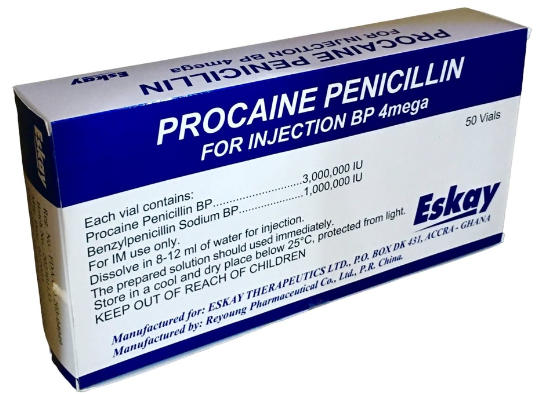
Regulatory frameworks differ by jurisdiction, but several common themes apply to procaine and related anesthetics. In many countries, procaine is not marketed as an over-the-counter drug for general consumer self-administration. Instead, it is typically available by prescription or through licensed medical professionals in controlled settings. Key considerations include:
- Prescription-only status in many regions: Procaine's core medical applications are usually delivered via healthcare professionals in clinics, hospitals, or dental practices, often within regulated formulations or delivery systems. This means public access without medical oversight is limited or restricted. In some markets, specific formulations or concentrations may be accessible only through licensed channels.
- Form-dependent restrictions: The regulatory path can differ between pharmaceutical-grade injectables, raw powders, or compounded products. Pure powders or unregistered preparations are more tightly controlled due to safety, dosing, and potential misuse concerns.
- Import/export and licensing: For OEM manufacturers supplying abroad, compliance with pharmaceutical import rules, licenses for handling controlled substances or drug precursors, and proper Good Manufacturing Practice (GMP) documentation is essential. Noncompliant sales can lead to significant penalties and product seizures.
- Regional examples and caveats: Some jurisdictions appoint procaine under prescription regimes or require professional distribution. Others may have more nuanced rules for veterinary use, research applications, or pharmaceutical intermediates, which still require appropriate licensing or institutional oversight.
- Safety and misuse concerns: As with many local anesthetics, improper dosing can lead to serious adverse effects. Regulators emphasize safe handling, storage, labeling, and traceability to minimize risks in any supply chain, including OEM contexts.
For a Chinese OEM-focused facility supplying international brands, the most common pathways involve controlled, compliant channels rather than consumer-facing OTC sales. Considerations include:
- Pharmaceutical-grade injectables: Typically formulated for clinical use under sterile conditions. Sourcing through authorized distributors or directly from GMP-certified manufacturers ensures quality and regulatory compliance.
- Raw materials and intermediates: Pure procaine powder or chemical intermediates used in research or manufacturing must be obtained under strict licenses and traceability, often restricted to licensed facilities or institutions.
- Regulatory documentation: A robust dossier including GMP certificates, Certificates of Analysis (COA), batch records, and import/export licenses facilitates cross-border supply and reduces customs risks.
- Quality control and authenticity: Third-party testing, purity verification, endotoxin checks (if applicable), and stability data are critical for international customers who rely on consistent product quality.
- Packaging and labeling: Regulations often require clear labeling with lot numbers, expiry dates, handling instructions, and regulatory compliance marks appropriate to the destination market.
If sourcing procaine or procaine-containing products for international markets, key steps include:
- Confirm regulatory status in the destination country: Engage with local regulatory consultants to verify whether a specific form (injectable, powder, or intermediate) can be imported and used legally.
- Verify supplier credentials: Choose GMP-compliant manufacturers or licensed distributors with verifiable certifications and transparent supply chains.
- Demand full regulatory documentation: Request COAs, GMP certificates, registration numbers (where applicable), and import licenses to ensure compliance before committing to orders.
- Assess pharmacovigilance and after-sales support: OEM customers often require technical support for storage, handling, and batch traceability, as well as conditions for returns or recalls if necessary.
- Plan for post-market surveillance: Depending on the use case, post-market compliance requirements may include adverse event reporting and quality audits.
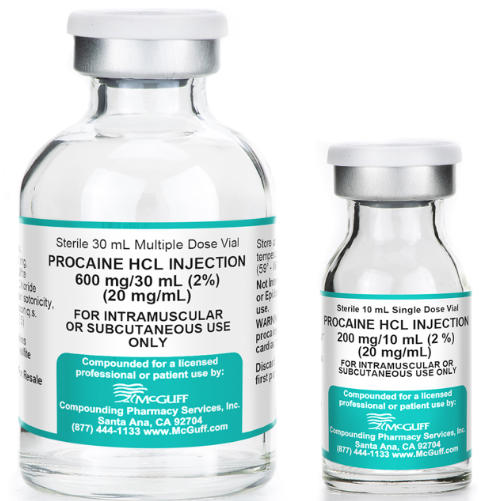
Procaine and related anesthetics find diverse uses across research, clinical practice, and manufacturing:
- Local anesthesia in clinical settings: Procaine's role as a local anesthetic is well established in dental, minor surgical, and diagnostic procedures, typically delivered via controlled injections.
- Research and development: In academic and corporate research, procaine derivatives or related compounds may serve as tools for studying nerve conduction, pharmacodynamics, or formulation science.
- Pharmaceutical intermediates: As a precursor or intermediate in synthesis pipelines, procaine can be involved in processes that manufacture combination products or specialty formulations, requiring strict process controls.
- Veterinary applications: Some markets support veterinary anesthesia or analgesia using procaine-based formulations under veterinary licenses.
High-quality procaine products require rigorous manufacturing and handling practices:
- GMP-compliant production: Ensures consistency, purity, and traceability across batches.
- Proper storage conditions: Temperature control, protection from moisture, and protection from degradation are essential to maintain potency.
- Handling and disposal: Safe handling protocols and compliant waste management protect workers and the environment.
- Documentation and audit readiness: A transparent paper trail supports audits, recalls, and cross-border inspections.
- OEM collaboration: A mid-sized healthcare OEM partnered with a GMP-certified supplier to secure a steady supply of pharmaceutical-grade procaine for international markets. The collaboration emphasized documentation, regulatory alignment, and quality assurance, resulting in a smoother export process and fewer delays at customs.
- Research-focused procurement: A biotech R&D center sourced procaine intermediates through licensed distributors, enabling their early-stage formulation work while maintaining compliance with institutional procurement policies.
- Veterinary path: A veterinary pharmaceutical company leveraged a licensed supplier to obtain procaine in authorized formulations, ensuring patient safety and regulatory compliance for animal health products.
To enhance reader engagement and comprehension, include:
- High-resolution product images showing GMP-compliant vials, packaging, and labeling appropriate to the destination markets.
- Infographics illustrating regulatory pathways (e.g., prescription-only status, shipment licensing, and compliance steps).
- Short videos or animations explaining how procaine is used in clinical settings (under professional supervision) and how OEM manufacturing processes ensure safety and quality.
- Photo captions that explain compliance steps, quality control checks, and storage requirements.
- Alt text for accessibility, describing visual content succinctly for screen readers.
- Emphasize compliance with all applicable laws and ethical practices in sourcing and distribution.
- Highlight vendor due diligence, supplier audits, and anti-diversion measures to protect public health and ensure product integrity.
- Encourage transparent communication with customers about regulatory constraints and practical alternatives when OTC access is not available.
- The term “over the counter” for procaine is not generally applicable in the sense of consumer self-medication; access is strongly regulated in most regions, and legitimate procurement usually flows through licensed medical or institutional channels.
- For international buyers and OEMs, success hinges on regulatory diligence, robust documentation, and partnerships with GMP-certified suppliers and licensed distributors.
- A well-documented supply chain, combined with clear communication about regulatory constraints and safe handling, supports reliable cross-border provision of procaine-containing materials for legitimate medical, research, and manufacturing applications.
- For manufacturers and distributors seeking a trusted partner with stringent quality systems and regulatory compliance, contact SupplyBenzocaine today to discuss your procaine sourcing, customization needs, and OEM collaboration opportunities. Our team can tailor solutions for pharmaceutical intermediates, research materials, and clinically approved formulations that meet the highest international standards. Contact us to know more!
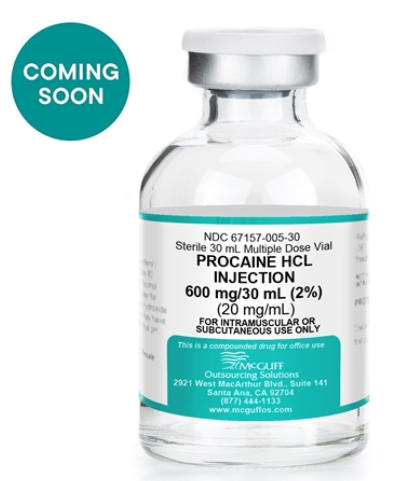
Answer: In many jurisdictions, procaine requires medical oversight and prescription or professional handling, especially for injectable products or powders used in clinical or research settings. Availability without a prescription is generally restricted or controlled to prevent misuse and ensure safety.
Answer: Pure procaine powder and related intermediates often require licensing and are restricted to licensed facilities, researchers, or accredited institutions. Purchases typically depend on regulatory clearance and appropriate handling protocols.
Answer: Request GMP certificates, Certificates of Analysis, batch records, import/export licenses, and registration numbers where applicable. Documentation supports compliance with international regulations and smooth customs clearance.
Answer: Yes. Improper dosing or handling can cause adverse reactions. Safe storage, transport, and usage under professional supervision are essential, as are pharmacovigilance and post-market safety practices when applicable.
Answer: Establish contracts with GMP-certified manufacturers or licensed distributors, implement lot-level traceability, perform third-party testing, and maintain clear communication about regulatory constraints, storage, and handling requirements.
[1](https://www.supplybenzocaine.co.uk/is-it-legal-to-buy-procaine.html)
[2](https://www.bloomtechz.com/info/is-procaine-legal-100617016.html)
[3](https://www.info.gov.hk/gia/general/201404/01/P201404010563_print.htm)
[4](https://www.elegislation.gov.hk/hk/cap138A)
[5](https://en.wikipedia.org/wiki/Procaine)
[6](https://farad.org/pdf/010122UpdateWIProcainePenicillinG.pdf)
[7](https://www.drugoffice.gov.hk/eps/do/en/healthcare_providers/news_informations/faq.html)
[8](https://www.webmd.com/vitamins/ai/ingredientmono-391/procaine)
[9](https://extension.missouri.edu/publications/g2112)
[10](https://www.drugoffice.gov.hk/gb/unigb/www.drugoffice.gov.hk/gb/unigb/www.drugoffice.gov.hk/eps/do/en/pharmaceutical_trade/guidelines_forms/faq.html)
Hot tags: Procaine Over The Counter, Buy Procaine Online, Procaine Prescription Requirements, Procaine Side Effects, Procaine Uses, Procaine Availability, Procaine Dosage Information, Procaine Injection, Procaine vs Lidocaine, Procaine Legal Status