Content Menu
● What Are Procaine and Novocaine?
● How Does Procaine (Novocaine) Work?
● Historical Significance: From Cocaine to Novocaine
● Current Usage and Modern Alternatives
● Reasons Novocaine (Procaine) Is No Longer Preferred
● Side Effects and Safety of Procaine/Novocaine
>> Less Common and Serious Reactions
● Frequently Asked Questions (FAQ)
>> 1. Is procaine exactly the same as Novocaine?
>> 2. Why did dentists switch from Novocaine to newer anesthetics?
>> 3. Is Novocaine still used today?
>> 4. Can you have an allergic reaction to Novocaine?
>> 5. What alternatives exist for those who cannot tolerate Novocaine?
In the field of anesthetics commonly used in dentistry and minor medical procedures, two names often cause confusion: procaine and Novocaine. Many people wonder if they are the same or different, and why one might be used in place of the other. Understanding these compounds' history, chemistry, uses, and modern alternatives helps clear up misconceptions. This article delves deeply into whether procaine and Novocaine are identical, their function, why their usage has evolved, and key safety information relevant to patients and healthcare providers alike.
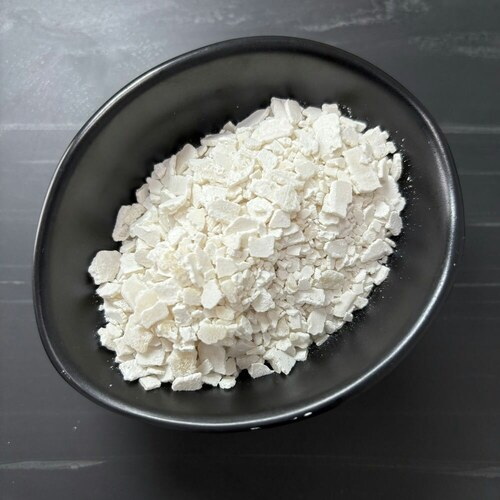
Procaine is a synthetic local anesthetic from the amino ester group. It works by numbing a specific part of the body to block pain signals, enabling painless medical and dental procedures. It was developed to be a safe alternative to cocaine, which was previously used as a local anesthetic but had significant addictive potential and toxicity. Procaine's properties include:
- Providing local pain suppression by inhibiting nerve conduction
- Being non-addictive and having relatively low toxicity compared to cocaine
- Usage in dentistry, minor surgery, and some specialized infusion therapies
Novocaine is not a different drug from procaine; rather, it is the original trade name assigned to procaine when it was first introduced. The German chemist Alfred Einhorn synthesized procaine in 1905 and branded it Novocaine, signifying the "new" (novus in Latin) safer alternative to cocaine. Therefore, procaine and Novocaine refer to the exact same chemical compound, but "Novocaine" became a household term, especially in dentistry.
Procaine works by blocking sodium ion channels located on nerve membranes. This mechanism stops nerves from transmitting pain signals to the brain, producing a numbing effect in the targeted area. Specifically:
- When injected near nerve tissues, procaine prevents the influx of sodium ions needed to propagate nerve impulses.
- This blockage stops sensory neurons from sending pain messages, resulting in localized numbness.
- The onset of anesthesia generally occurs within 2 to 5 minutes after administration and lasts about 30 to 90 minutes.
Thanks to this mode of action, procaine has been effectively used in dentistry and minor surgeries to relieve pain temporarily without affecting consciousness or vital functions.
Before procaine's introduction, cocaine was the primary local anesthetic used in medical practice. Although it effectively numbed tissues, cocaine was highly addictive with severe side effects. Around the start of the 20th century, the need for a safer alternative was urgent.
- In 1905, Alfred Einhorn synthesized procaine, creating the first synthetic local anesthetic that was safer and less addictive.
- Einhorn marketed the drug under the trade name "Novocaine," which rapidly gained popularity worldwide.
- By the 1910s and 1930s, Novocaine replaced cocaine in dental and surgical procedures because of its better safety profile.
- Novocaine's use marked a revolutionary step in pain control, enabling more comfortable minor surgeries and dental treatments.
This historical transition reflected a broader shift in medicine toward safer drugs that maintained effectiveness while reducing patient risks.
Though procaine/Novocaine was the gold standard in the early-to-mid 20th century, advancement in pharmacology introduced anesthetics offering improved efficacy, safety, and patient comfort. In modern clinical practice:
- Lidocaine, introduced in the 1940s, has largely replaced procaine due to its faster onset, longer duration, and lower allergenic potential.
- Other anesthetics like articaine, bupivacaine, and mepivacaine also provide a variety of options tailored to different clinical needs.
- These newer agents tend to have a longer-lasting numbing effect and a lower risk of allergic reactions compared to procaine.
For example, lidocaine usually begins working in just 1 to 3 minutes and can provide anesthesia for 60 to 120 minutes, making it more versatile than procaine.
Despite these advancements, procaine retains niche usage in some specialized areas, especially for patients who may have sensitivities to modern local anesthetics.
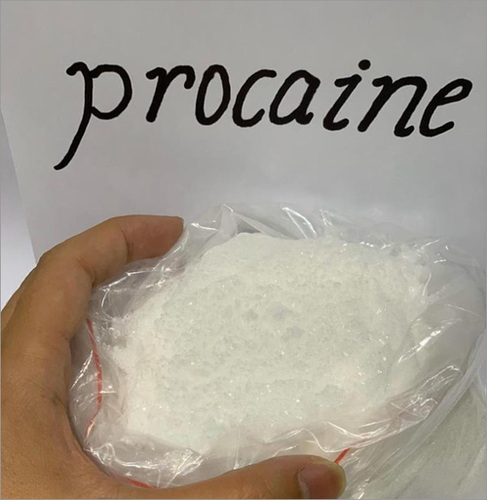
Several factors explain why medical professionals mostly shifted away from procaine/Novocaine in favor of newer anesthetics:
- Shorter anesthesia duration: Procaine's numbing effect typically lasts less than an hour, which is shorter than alternatives like lidocaine or articaine.
- Allergic potential: Although rare, some patients develop allergic reactions to procaine, often due to the breakdown product para-aminobenzoic acid (PABA).
- Slower onset: Procaine takes longer to take effect compared to many later-developed anesthetics.
- Availability of improved drugs: Lidocaine and other modern anesthetics provide quicker, longer, and safer anesthesia with less discomfort for patients.
These factors combined led dental and medical practitioners to favor newer compounds to improve procedural outcomes and reduce risks.
Procaine is generally safe when administered correctly by trained professionals; however, like all drugs, it can cause side effects.
- Temporary numbness or tingling around the injection site
- Mild pain or swelling at the needle puncture
- Drowsiness or slight dizziness shortly after injection
- Nausea or lightheadedness in sensitive individuals
- Allergic responses—symptoms such as rash, itching, swelling, or difficulty breathing may indicate an allergy mostly linked to PABA, a metabolite of procaine.
- Cardiovascular effects such as irregular heartbeat or, in very rare cases, cardiac arrest due to excessive dosage or sensitivity.
- Central nervous system effects such as tremors, restlessness, or seizures, again primarily associated with overdose or hypersensitivity.
Overall, procaine's risk profile is acceptable when used at appropriate doses and under professional supervision. Patients must always inform their healthcare provider about any known allergies or adverse reactions to anesthetic agents.
Procaine and Novocaine are not two different drugs; they are precisely the same compound—Novocaine being the original trade name of procaine. This local anesthetic played a pivotal role in revolutionizing pain management during the 20th century, especially in dentistry and minor surgeries. Although largely replaced by superior modern alternatives like lidocaine and articaine nowadays, understanding procaine's history, mechanism, benefits, and limitations remains valuable for both healthcare professionals and patients.
If you are an international brand owner, wholesaler, or manufacturer seeking high-quality pharmaceutical and anesthetic products, our experienced Chinese factory specializes in providing reliable OEM services in the biotechnology, pharmaceutical, and medical device fields. Contact us today to learn how we can support your global business with tailored, safe, and effective anesthetic solutions.
Yes. Novocaine is the original trade name for procaine, so they refer to the same local anesthetic compound developed in 1905.
Newer anesthetics such as lidocaine act faster, last longer, and have fewer allergic reactions, improving patient comfort and procedural efficiency.
Novocaine is rarely used but still available for patients allergic to other anesthetics or in specialized contexts. Most dentists now prefer lidocaine or articaine.
Yes, although rare, some individuals develop allergies, mainly because of procaine's breakdown product PABA. Symptoms include rash, swelling, or breathing difficulties and require immediate medical attention.
Common alternatives include lidocaine, articaine, bupivacaine, and various sedation techniques such as nitrous oxide or oral and intravenous sedation, which aid in painless procedures without the need for procaine.