Content Menu
>> Procaine Structure and Chemistry
● Medical and Non-Medical Uses of Procaine
>> Approved Clinical Applications
>> Historical and Alternative Uses
>> Advantages
>> Limitations and Shift to Alternatives
>> OEM and Manufacturing Relevance
● Risks, Side Effects & Contraindications
>> Serious Side Effects (Uncommon)
>> Contraindications and Precautions
● FAQ
>> 1. What conditions are treated with procaine?
>> 2. Is procaine safe for everyone?
>> 3. How long does procaine last?
>> 4. Can procaine be used for chronic pain?
>> 5. Does procaine have any significant interactions or side effects?
Procaine—widely recognized under the trade name Novocain—is an anesthetic that has played a revolutionary role in pain management, especially in dentistry and various surgical procedures. As a biotechnology and medical manufacturer specializing in OEM solutions for global brands, distributors, and producers, understanding the science, history, uses, and safety of procaine is invaluable for clients and industry stakeholders alike.
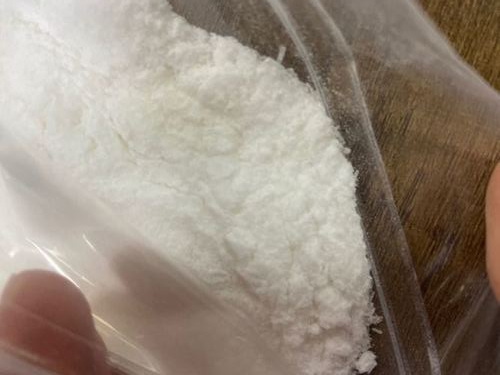
Procaine is a local anesthetic from the amino ester group, first synthesized in 1905 by German chemist Alfred Einhorn. It was introduced to replace the more dangerous cocaine in medical settings and quickly became indispensable for its effectiveness and improved safety profile.
Also known by its trade name Novocaine, procaine's primary use is to provide local anesthesia in minor surgical and dental procedures, temporarily numbing specific areas to block pain sensations.
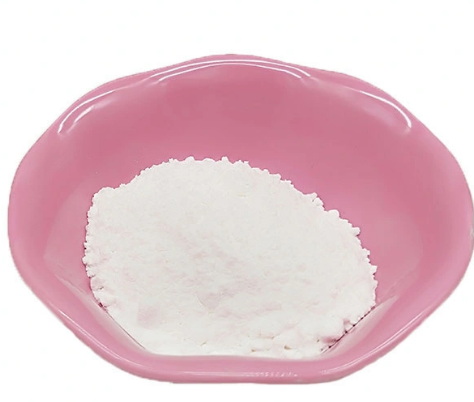
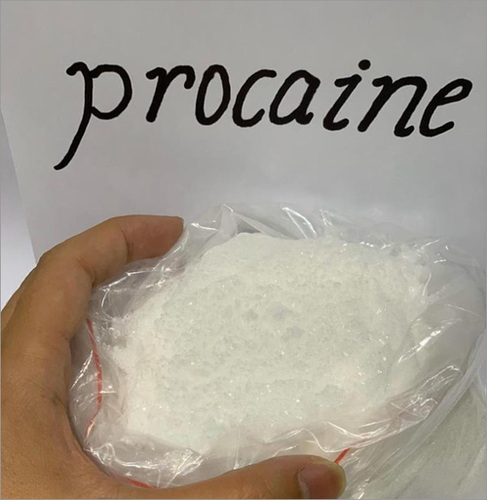
Chemically, procaine is a white crystalline powder soluble in water, usually prepared and delivered as its hydrochloride salt for injectable use. Its structure includes an ester linkage, which is significant in its metabolism and potential allergenicity.
Procaine produces its numbing effect by blocking voltage-gated sodium channels in peripheral nerve membranes. Normally, nerve impulses propagate through the influx of sodium ions, which generate the action potential necessary for transmission of pain signals to the brain.
Procaine binds to these sodium channels, obstructing sodium entry, which inhibits the generation of action potentials. As a result, pain signals from the affected site cannot reach the central nervous system, leading to numbness and loss of sensation in the targeted area.
The onset of procaine's action is slower than that of more modern anesthetics. Its effects typically last from several minutes to up to an hour, depending on the dosage and site of injection. Procaine is rapidly hydrolyzed by plasma esterases into para-aminobenzoic acid (PABA), which is then excreted primarily by the kidneys.
Procaine is widely used in:
- Dental procedures: To numb areas around teeth to facilitate pain-free extractions, fillings, and other dental work.
- Minor surgical interventions: Including small skin biopsies and superficial surgeries where local anesthesia is sufficient.
- Peripheral nerve blocks: Temporary numbing of limbs or localized body parts during outpatient procedures.
- Adjunctive therapy with antibiotics: Notably combined with penicillin G to create penicillin G procaine, facilitating prolonged antibiotic action in infections.
In veterinary practices, procaine hydrochloride injections are common for providing local anesthesia during animal surgeries and procedures. Its efficacy, affordability, and safety make it a preferred choice for minor operations in pets and livestock.
Beyond its mainstream medical applications, procaine has been explored for:
- Muscular pain relief: Direct intramuscular injections have sometimes been employed to alleviate localized muscle pain or spasms.
- Neural therapy: Especially in some integrative and alternative medicine approaches, procaine is purported to have anti-inflammatory and regenerative properties when injected near nerves, although these applications lack widespread validation.
- Treatment of extravasation injuries: Occasionally used for managing tissue trauma caused by accidental infiltration of vesicant drugs.
- Adjunct use in certain cardiovascular conditions: Some experimental therapies have used procaine in vascular treatments, though these remain limited.
There have been claims that procaine might improve symptoms of arthritis, dementia, depression, sexual dysfunction, and "hardening of the arteries." However, scientific evidence supporting these claims remains inadequate or inconclusive.
- Procaine offers effective and controlled local anesthesia for many minor procedures.
- It presents a lower risk of toxicity and addiction compared to cocaine, its predecessor.
- Due to rapid metabolism, its potential systemic toxicity is relatively low when used correctly.
- For most patients, procaine is hypoallergenic and non-irritating, making it suitable for diverse populations.
- The short duration of anesthesia and slower onset limit procaine's utility in longer and more complex procedures.
- Modern anesthetics such as lidocaine have largely supplanted procaine in clinical practice due to their faster onset, longer-lasting effect, and reduced allergenic potential.
- Procaine's ester structure can trigger allergic reactions in susceptible individuals due to PABA metabolites.
Despite being somewhat replaced by modern agents, procaine remains an important product in OEM production for brands and manufacturers needing reliable anesthetic formulations. Its affordability and longstanding clinical record make it an attractive choice for many distributors worldwide, especially in cost-sensitive markets.
- Temporary numbness and tingling at and around the injection site.
- Mild local swelling, redness, or discomfort.
- Allergic reactions, although rare, can manifest as itching, rash, or more severe hypersensitivity, particularly in those sensitive to ester anesthetics or sulfa drugs (due to the PABA metabolite).
- Cardiovascular disturbances such as arrhythmias.
- Nervous system effects including dizziness, seizures, or central nervous system depression if excessive dose or accidental intravenous injection occurs.
- Systemic toxicity (Local Anesthetic Systemic Toxicity, LAST) is a rare but serious condition that demands immediate medical intervention.
- Patients with a history of allergy to ester-based anesthetics should avoid procaine.
- Conditions such as myasthenia gravis, lupus erythematosus, or pseudocholinesterase deficiency increase the risk of adverse events.
- Pregnant and breastfeeding women should only receive procaine under professional guidance.
- Potential drug interactions include some cardiac medications (e.g., digoxin), muscle relaxants, and certain antibiotics, necessitating careful patient evaluation.
Correct administration techniques, such as injecting in safe anatomical zones and avoiding intravascular injection, help mitigate risks. Health professionals undergo training to ensure the dosage and site of injection minimize adverse events.
Procaine is a time-tested local anesthetic essential for painless dental and minor surgical procedures around the world. Although modern anesthetics such as lidocaine have largely replaced it in many clinical contexts, procaine remains a reliable, affordable, and effective agent, especially valuable in specific clinical and veterinary applications. For companies and brands seeking OEM procaine products, this anesthetic offers consistent quality and dependable performance backed by over a century of clinical use.
If your business or brand requires OEM procaine or bespoke anesthetic solutions, our experienced team can deliver customized formulations, regulatory support, and efficient logistics tailored to your supply chain needs.
Partner with a leading manufacturer in the biotech and medical field to secure high-quality procaine formulations crafted for your market! Contact us today for product consultations, pricing, and OEM orders.
Procaine is primarily used for local anesthesia during dental, surgical, and minor procedures. It is also used as an adjunct in veterinary medicine and combined with penicillin for prolonged antibiotic action.
Most individuals tolerate procaine well; however, it should not be used in patients with allergic reactions to ester anesthetics, certain autoimmune diseases, or metabolic conditions impacting anesthetic metabolism.
The anesthetic effects of procaine generally last from a few minutes up to about an hour, depending on the dosage and site where it's administered.
While some integrative therapies use procaine for neural inflammation or chronic pain, there is insufficient robust scientific evidence to recommend it as a primary treatment for chronic pain.
Procaine may interact with certain cardiovascular medications, muscle relaxants, and antibiotics. High doses or accidental intravenous administration can lead to serious side effects like seizures or heart arrhythmias.