Content Menu
● Understanding Paracetamol and Its Uses
● Why Are There Limits on Buying Paracetamol?
● Global Regulations on Paracetamol Purchase Limits
>> Australia
● Recommended Dosage and Safety Guidelines for Paracetamol Use
>> Adult Dosage
● Impact of Paracetamol Purchase Regulations on Public Health
● Role of Retailers and Pharmacies in Enforcement
● How Consumers Can Safely Purchase and Use Paracetamol
● Frequently Asked Questions (FAQ)
>> 1. What is the legal age to buy paracetamol?
>> 2. How many tablets of paracetamol can I buy at once?
>> 3. Why are paracetamol pack sizes limited?
>> 4. Can I buy paracetamol online in large quantities?
>> 5. What should I do if I accidentally take too much paracetamol?
Paracetamol, also known as acetaminophen, is one of the most commonly used over-the-counter medicines worldwide for relieving pain and reducing fever. While generally safe when used according to recommended doses, there are significant legal limits and regulations governing the amount of paracetamol that can be purchased at one time. These rules vary by country but share the common goal of preventing misuse, overdose, and associated health risks. This article provides a comprehensive overview of paracetamol purchase limits, legal age requirements, dosage guidelines, and the rationale behind these regulations to help consumers and businesses understand safe and responsible use.
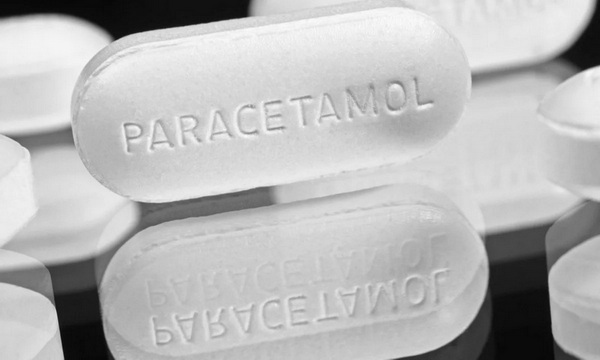
Paracetamol is a widely trusted analgesic (pain reliever) and antipyretic (fever reducer). It is available in various formulations such as tablets, capsules, liquids, and suppositories. As a staple in many households, paracetamol is effective for managing common ailments like headaches, muscle aches, toothaches, arthritis pain, and fever from colds or flu.
Despite its accessibility, paracetamol's safety hinges on correct dosage. Excessive intake can result in severe liver damage or even fatal poisoning, especially if the overdose goes untreated. This makes it essential for regulatory authorities to control how much paracetamol is sold at one time to reduce harm from both accidental and intentional overdoses.
The primary reason for limiting paracetamol sales is to reduce the risk of overdose, which remains a leading cause of acute liver failure globally. Overdose incidents may be accidental—such as consuming multiple medications containing paracetamol unknowingly—or intentional, in cases of self-harm or suicide attempts. By controlling pack sizes and quantities sold, governments and health agencies aim to minimize the volume of paracetamol accessible at home, thereby decreasing overdose incidents.
Limits also encourage consumers to seek medical counsel for severe or persistent pain rather than relying excessively on self-medication.
In the UK, paracetamol sales are tightly regulated:
- Non-pharmacy outlets can sell packs containing up to 16 tablets only.
- Pharmacies may sell packs up to 32 tablets over the counter but larger quantities (up to 100 tablets) must be sold with pharmacist supervision behind the counter.
- Buyers must be at least 16 years old, with retailers checking ID if necessary.
- Multi-pack sales are sometimes restricted to minimize stockpiling.
- These measures have contributed significantly to reducing deaths from paracetamol poisoning since their introduction in the late 1990s.
Australia implemented new paracetamol regulations starting February 1, 2025:
- General sale packs (supermarkets and convenience stores) are limited to 16 tablets.
- Pharmacy sales packs without pharmacist supervision reduced from 100 to 50 tablets.
- Packs larger than 50 tablets require pharmacist supervision and must be sold as Schedule 3 (Pharmacist Only) medicines.
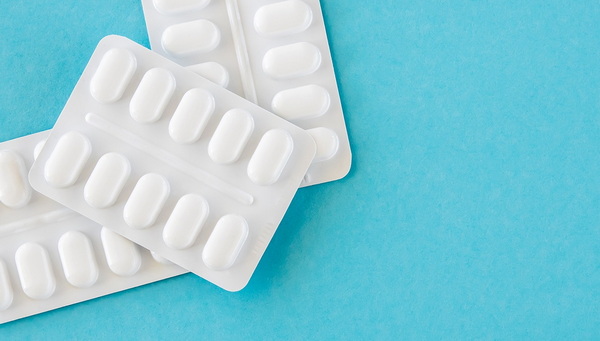
- Additionally, blister packaging has become mandatory for immediate-release paracetamol tablets/capsules, replacing bulk bottles to restrict easy access.
- Some states like Queensland and Western Australia require all packs over 16 tablets to be stored behind the pharmacy counter.
- These regulations align Australia with stricter international standards to reduce liver injury and deaths due to overdose.
- Several European countries have stricter limits, restricting OTC paracetamol to 8g to 10g per pack and often selling exclusively through pharmacies.
- Modified-release paracetamol is often unavailable OTC due to higher overdose risk.
- The USA and Canada have comparatively lenient sales restrictions but monitor paracetamol-related poisonings closely, especially among youth.
- Across countries, regulations are designed to strike a balance between ensuring access for therapeutic use and minimizing harm from excessive availability.
The maximum safe dose for adults is widely agreed upon as:
- 1 gram (two 500mg tablets) every 4 to 6 hours as needed.
- Do not exceed 4 grams in 24 hours, including all sources of paracetamol.
Exceeding recommended daily doses—even for a short period—can cause serious liver toxicity.
- Based on weight: approximately 15 mg per kg every 4 to 6 hours.
- Maximum of 4 doses in 24 hours.
- Children under 16 require adult supervision for dosing and cannot purchase paracetamol independently.
- People with liver disease, chronic alcohol use, or malnutrition should seek medical advice before using paracetamol.
- Avoid using multiple paracetamol-containing products simultaneously.
Evidence from the UK shows that limiting paracetamol pack sizes reduces deaths from overdoses significantly. Following legislation in the late 1990s restricting pack sizes and sale conditions, the UK saw an average reduction of nearly 43% in paracetamol poisoning deaths.
Similarly, Australia's recent packaging and sales controls aim to replicate this success to address ongoing concerns about self-poisoning and accidental overdoses, particularly in young people.
By enforcing pack size limits, restricting sales to minors, and requiring pharmacist oversight for larger quantities, these policies reduce the volume of paracetamol immediately available at home and promote safer use.
Retailers and pharmacists are essential in implementing paracetamol sales regulations by:
- Verifying purchaser age and requesting ID when appropriate.
- Limiting sales to regulated pack sizes, often refusing bulk multi-pack sales.
- Keeping larger packs behind the counter requiring pharmacist consultation.
- Providing guidance on safe dosage and warning of overdose risks.
- Referring customers needing higher quantities or long-term management to healthcare professionals.
Retailers face legal penalties for non-compliance, enhancing the effectiveness of these safeguards.
- Always buy paracetamol from reputable stores where sales regulations are followed.
- Check the number of tablets per pack and adhere strictly to dosing instructions.
- Avoid stockpiling multiple packs to reduce overdose risk.
- Consult healthcare professionals for chronic pain or concerns about paracetamol use.
- Store medications out of reach of children and dispose responsibly of unused tablets.
- Be aware of other medications that may contain paracetamol to avoid cumulative overdose.
In conclusion, there are clear and important limits on buying paracetamol worldwide, driven by public health concerns over overdose and liver damage. These limits include restrictions on pack sizes, purchaser age, and pharmacist supervision for larger quantities. Such regulations are evidence-based, proven to reduce poisoning deaths and encourage safe medicine use. Understanding and adhering to these rules benefits both consumers and healthcare systems.
For businesses seeking high-quality, compliant paracetamol production or OEM services in biotechnological and pharmaceutical sectors, contact us at supplybenzocaine.co.uk. Our expertise in R&D and manufacturing ensures safe, reliable products tailored for global markets. Reach out today to discuss your requirements and partnership opportunities.
The legal age to purchase paracetamol over-the-counter is generally 16 years in countries like the UK and Australia. Retailers may request identification to verify age.
Pack size limits vary but typically range from 16 tablets in general retail to up to 100 tablets in pharmacies under supervision. Larger quantities usually require pharmacist approval or prescriptions.
Limiting pack sizes reduces the risk of accidental or intentional overdose by restricting how much paracetamol individuals can have readily available, thereby preventing poisoning incidents.
Online sales are subject to similar restrictions as physical stores. Large quantity purchases may require pharmacist approval or prescriptions, depending on local laws.
Seek immediate medical attention regardless of symptoms. Early treatment is crucial to prevent severe liver damage. Contact emergency services or poison control centers immediately.
[1](https://www.australianpharmacist.com.au/are-you-prepared-for-the-paracetamol-regulation-changes/)
[2](https://insightplus.mja.com.au/2023/17/paracetamol-restrictions-too-much-or-not-enough/)
[3](https://www.unsw.edu.au/newsroom/news/2025/01/paracetamol-pack-sizes-and-availability-are-changing-what-you-need-to-know)
[4](https://creakyjoints.org.au/news-and-features/new-paracetamol-access-rules-what-they-mean-for-people-with-chronic-conditions/)
[5](https://www.guild.org.au/news-events/news/forefront/v16n02/6-paracetamol)
[6](https://www.tga.gov.au/products/medicines/non-prescription-medicines/over-counter-otc-medicines/final-decision-paracetamol-access-controls-poisons-standard-question-and-answers)
[7](https://www.thelancet.com/article/S0140-6736(07)60631-X/fulltext)
[8](https://www.chpaustralia.com.au/Media-and-Publications/Latest-News/2025/Paracetamol-pack-size-changes-come-into-effect-on-1-February-2025)
[9](https://www.tga.gov.au/sites/default/files/2025-06/FOI%2025-0205.pdf)
[10](https://assets.publishing.service.gov.uk/media/67e69e9e085277e9961b201b/Best_practice_guidance_on_the_sale_of_medicines_2025.pdf)
[11](https://help.sainsburys.co.uk/help/products/phc-sale-analgesic)
Hot tags: Paracetamol Purchase Limit, Paracetamol Buying Restrictions, Paracetamol Sales Regulations, Paracetamol Pack Size Limit, Paracetamol Overdose Prevention, Paracetamol Safety Guidelines, Paracetamol Legal Restrictions, Paracetamol Purchase Rules, Paracetamol Sales Policies, Paracetamol Buying Guidelines