Content Menu
● Legal and Regulatory Landscape
● Health Risks and Safety Concerns
● Manufacturing and Supply Chain Dynamics
● Frequently Asked Questions (FAQs)
>> 1. Is phenacetin still legally available for sale?
>> 2. What are the main health risks of phenacetin consumption?
>> 3. Why is phenacetin still used despite its risks?
>> 4. Can international buyers source phenacetin from China?
>> 5. How can I ensure compliance when purchasing phenacetin?
Phenacetin, chemically known as acetophenetidin or N-acetyl-4-ethoxyaniline, was once a widely used analgesic and antipyretic drug introduced over a century ago. Valued for its pain-relieving and fever-reducing properties, it became a common ingredient in pharmaceutical formulations. However, growing scientific evidence revealed phenacetin's serious health risks, including carcinogenicity and kidney damage, leading to its removal from many global markets. Despite these setbacks, phenacetin continues to hold importance as a chemical intermediate in pharmaceutical manufacturing and certain niche industrial applications. This article delves deeply into the phenacetin market, its legal status, applications, risks, manufacturing, and future outlook, specifically highlighting sourcing opportunities for international buyers and OEM partnerships with Chinese manufacturers.
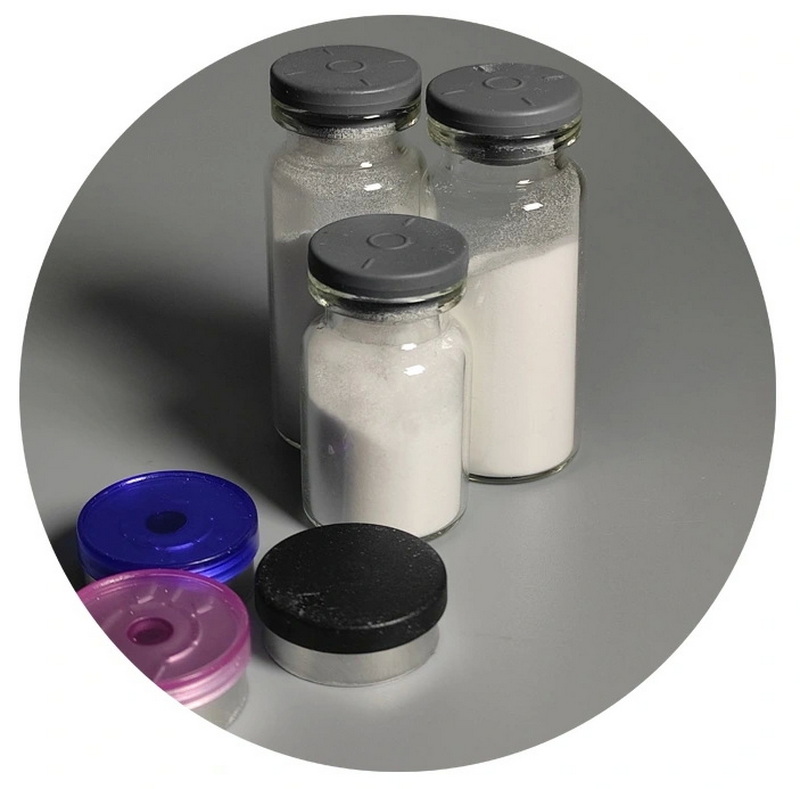
The global phenacetin market has shown steady growth, driven by its continued use in pharmaceutical intermediates and niche applications. The market, valued around USD 762.7 million in 2023, is projected to reach approximately USD 1.1 billion by 2032, expanding at a compound annual growth rate (CAGR) of about 4.3% during 2024–2032. This expansion is supported by increasing healthcare expenditure, the growing prevalence of chronic pain conditions, and advances in drug formulation technologies.
Key factors propelling the market include:
- Rising demand in pharmaceutical formulations as analgesics and antipyretics.
- Expansion of pharmaceutical manufacturing capacity, especially in emerging markets like China and India.
- Increasing use of over-the-counter (OTC) medications and growing self-medication trends.
- Technological advances enabling safer and sustained-release formulations.
Asia-Pacific leads the supply with China being a critical hub for phenacetin production, offering competitive pricing and reliable OEM services for global pharmaceutical brands. The pharmaceutical segment dominates the application landscape due to phenacetin's role in pain management compounds.
Phenacetin's legal status varies significantly across countries, reflecting its complex risk-benefit profile. It is banned or heavily restricted in many regions, including the United States, Canada, Europe, Australia, and Japan, due to its carcinogenic and nephrotoxic effects observed in long-term use. Regulatory bodies such as the U.S. Food and Drug Administration (FDA) and the European Medicines Agency (EMA) have withdrawn phenacetin-containing drugs from consumer markets.
However, phenacetin remains legally available in limited contexts:
- As a chemical intermediate for pharmaceutical synthesis and industrial use.
- Under strict regulations, in controlled research settings or veterinary medicine in some countries.
- In regions with insufficient regulation or where pharmaceutical laws permit its use with caution.
Manufacturers and distributors must navigate complex legal frameworks to ensure compliance. China's phenacetin manufacturers often provide documentation and certifications to meet regulatory demands of importing countries, enabling safer and compliant international trade.
Phenacetin was originally used in analgesic and antipyretic formulations, often combined with aspirin, caffeine, or codeine. Typical dosages ranged from 150 to 300 mg per tablet. Although largely replaced by safer alternatives like paracetamol (acetaminophen), phenacetin remains valuable as a raw material in:
- The synthesis of other pharmaceutical compounds.
- Research and development laboratories investigating new analgesics or chemical derivatives.
- Certain veterinary medicines and industrial applications such as dye manufacture.
Its use today is largely confined to pharmaceutical intermediates rather than as an active ingredient in consumer medications due to safety concerns.
Numerous studies have established significant health risks associated with phenacetin, especially with chronic or high-dose exposure:
- Kidney Disease: Phenacetin is directly linked to renal papillary necrosis and chronic interstitial nephritis, conditions that can lead to kidney failure.
- Cancer Risk: Robust epidemiological data show an increased incidence of urothelial carcinomas, such as bladder and renal pelvis cancers, in phenacetin users.
- Blood Disorders: It can induce methemoglobinemia, hemolytic anemia, and related oxygen transport impairments.
- Dependency and Toxicity: Long-term use may cause drug dependence and systemic toxicity affecting organs such as the retina.
Given these hazards, phenacetin is mostly removed from direct consumer use and tightly controlled in its applications.
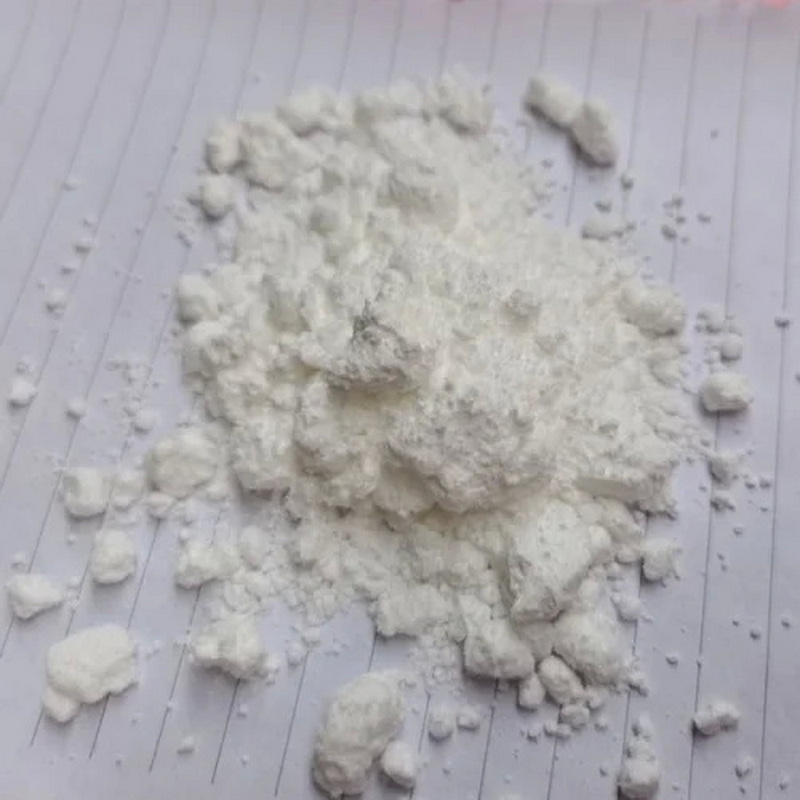
China is the preeminent global producer of phenacetin, supported by well-established chemical manufacturing facilities, stringent quality controls, and competitive export pricing. Reputable Chinese manufacturers produce phenacetin at high purities (>=99%) and offer comprehensive OEM services including customized packaging, compliance certificates, and tailored formulations for foreign pharmaceutical customers.
The production process typically involves acetylation of 4-ethoxyaniline under controlled conditions. Packaging options vary from small-scale kits of 1 kg to bulk shipments in 100 kg drums, catering to different buyer needs.
Due to the compound's regulatory sensitivity, manufacturers prioritize quality assurance and certification to ensure phenacetin meets international pharmaceutical standards. Chinese suppliers' ability to provide consistent high-quality products has made them preferred OEM and contract manufacturing partners in the global phenacetin market.
Though phenacetin's consumer use has declined, its future remains stable due to:
- Continued demand for pharmaceutical intermediates and raw materials in Asia-Pacific and globally.
- Increasing focus on personalized and advanced drug formulations utilizing phenacetin derivatives.
- Technological advances that may allow safer phenacetin usage in controlled applications.
- Expanding healthcare infrastructure and pharmaceutical production in emerging markets driving raw material needs.
OEM manufacturers in China are well-positioned to capitalize on these trends by offering flexible production, competitive costs, and regulatory support to international clients.
Phenacetin continues to be a vital chemical in pharmaceutical and chemical industries despite significant health and regulatory challenges. Understanding the evolving market dynamics, legal restrictions, and safety concerns is essential for successful sourcing and application. Our factory in China specializes in producing high-purity phenacetin with full OEM capabilities designed to support international brands and wholesalers. Whether for pharmaceutical intermediates or restricted applications, reliable phenacetin supply combined with expert regulatory compliance makes us a trusted partner. For inquiries and comprehensive support in phenacetin procurement, contact us today.
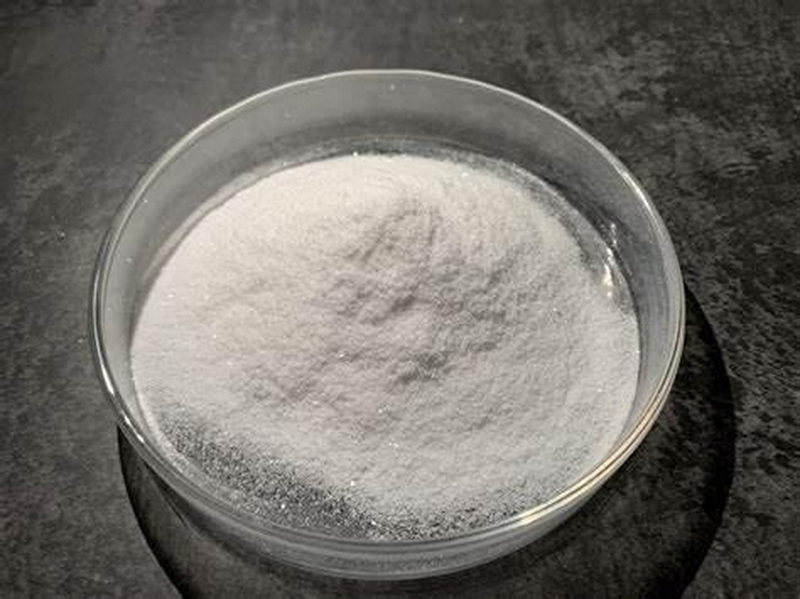
Phenacetin is banned or strictly regulated in many countries due to its health risks. It is legally available mainly as a chemical intermediate in pharmaceutical synthesis or industrial applications under regulatory oversight.
Long-term phenacetin use can cause severe kidney damage, increase risks of bladder and renal cancers, and induce blood disorders like methemoglobinemia and hemolytic anemia.
Phenacetin's primary use today is as an intermediate chemical in drug manufacturing and research, not as a direct active pharmaceutical ingredient due to safety concerns.
Yes, China is the leading global supplier with many manufacturers offering high-purity phenacetin and tailored OEM services compliant with international standards.
Verify your local legal regulations on phenacetin, source from certified and reputable manufacturers with proper documentation, and adhere strictly to safety and handling guidelines.
[1](https://www.verifiedmarketresearch.com/product/phenacetin-market/)
[2](https://www.verifiedmarketreports.com/product/phenacetin-market/)
[3](https://dataintelo.com/report/phenacetin-market)
[4](https://www.cognitivemarketresearch.com/phenacetin-market-report)
[5](https://www.linkedin.com/pulse/phenacetin-market-importance-latest-developments-7eilf)
[6](https://www.linkedin.com/pulse/phenacetin-market-growth-business-outlook-f85fe)
[7](https://www.strategicrevenueinsights.com/industry/phenacetin-market)
[8](https://www.imarcgroup.com/phenacetin-manufacturing-plant-project-report)
[9](https://www.procurementresource.com/reports/phenacetin-manufacturing-plant-project-report)
[10](https://uk.finance.yahoo.com/news/acetaminophen-market-trends-forecasts-2023-095300785.html)
Hot tags: Phenacetin Market Trends, Legal Considerations for Phenacetin, Buy Phenacetin Online, Phenacetin Suppliers, Phenacetin Safety Regulations, Phenacetin Usage Guidelines, Phenacetin Withdrawal History, Phenacetin Legal Status, Phenacetin Market Analysis, Phenacetin Purchase Tips