Content Menu
● Historical Background and Medical Use
● Phenacetin's Pharmacology and Mechanism of Action
● Current Legal Status in the UK
● Health Risks and Safety Measures
● Where to Buy Phenacetin in the UK
● Multimedia Resources for Phenacetin Knowledge
● Frequently Asked Questions (FAQs)
>> 1. Is phenacetin legal to buy and sell in the UK?
>> 2. What are the health risks associated with phenacetin?
>> 3. Can phenacetin still be used as a painkiller today?
>> 4. Where can I find high-quality phenacetin for research or industrial use?
>> 5. What safety precautions are necessary when handling phenacetin?
Phenacetin, a synthetic analgesic and antipyretic drug introduced in the late 19th century, played a significant role in pain relief and fever reduction worldwide. However, its once widespread use has drastically changed due to serious health concerns. In the UK, phenacetin is no longer approved for medicinal use but remains available under strict regulatory conditions for specialized applications. This article offers a comprehensive look at phenacetin's chemical nature, history, medical uses, legal status, risks, and where to purchase it safely in the UK. It aims to equip readers, especially businesses and researchers, with essential information for informed decision-making.
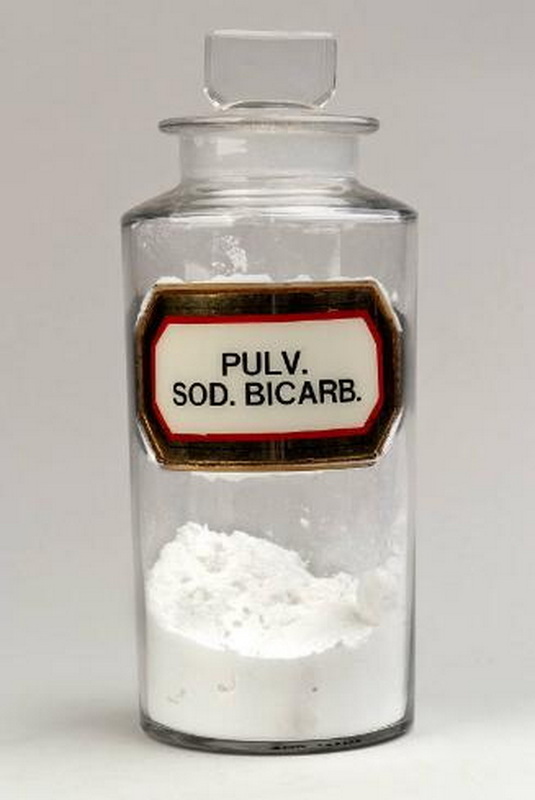
Phenacetin, chemically named N-(4-ethoxyphenyl)acetamide, is a white crystalline substance historically used as a painkiller and fever reducer. It was first introduced in 1887 and became one of the earliest synthetic fever reducers and analgesics on the pharmaceutical market. Unlike opioids, phenacetin provided non-narcotic pain relief, and unlike aspirin, it lacked anti-inflammatory properties. The drug primarily works by acting on the sensory tracts of the spinal cord to relieve pain and reducing the brain's temperature set point to lower fever.
Upon metabolism, phenacetin is converted mainly into paracetamol (acetaminophen), a safer, widely used analgesic. However, a minor metabolic pathway produces a carcinogenic metabolite called p-phenetidine, which contributed to its eventual withdrawal from medical use after evidence linked it to cancer.
Phenacetin gained widespread acceptance for pain and fever treatment, often formulated with aspirin and caffeine as “APC” mixtures. It was a staple in many households and pharmacies for decades. Early manufacturing was conducted by leading pharmaceutical companies such as Bayer in Germany, with production later established in the UK and other countries.
Despite its effectiveness, chronic use led to serious health problems, primarily analgesic nephropathy—a condition causing kidney damage—and an increased risk of urinary tract cancers. These risks surfaced through epidemiological studies in the mid-20th century, prompting regulatory agencies globally to reevaluate its safety.
By the early 1980s, following reports of severe renal toxicity and carcinogenicity, phenacetin was withdrawn from medicinal markets in many countries, including the UK, Canada, and the United States. The US FDA officially banned phenacetin-containing products in 1983. In therapeutic practice, phenacetin was replaced by paracetamol, which shares similar analgesic and antipyretic effects but lacks the carcinogenic profile.
Phenacetin's analgesic action primarily stems from its effect on the sensory tracts within the spinal cord, diminishing the transmission of pain signals. Its antipyretic property results from action on the hypothalamus, resetting the body's temperature regulation mechanism to reduce fever.
Interestingly, phenacetin also exhibits a depressant effect on the heart, specifically as a negative inotrope, which means it reduces the force of heart muscle contraction. Its use extended beyond simple pain relief to treatment of subacute rheumatoid arthritis and intercostal neuralgia.
Metabolically, phenacetin undergoes hepatic biotransformation. The major product, paracetamol, carries the main analgesic benefits, while a smaller fraction metabolizes to carcinogenic intermediates responsible for the drug's harmful effects in long-term use.

In the UK, phenacetin is classified as a hazardous substance due to its carcinogenic and nephrotoxic properties. It has been banned for medicinal use since the 1980s, in compliance with international health regulations. The sale and distribution of phenacetin for therapeutic purposes are prohibited.
However, phenacetin is still legally supplied for non-therapeutic uses such as scientific research, industrial applications, and quality control processes in laboratories. Each sale must comply with stringent regulations regarding handling, transport, and usage, and buyers must ensure proper licensing and safety measures.
Though no longer a mainstream medication, phenacetin retains several niche applications:
- Scientific Research: Phenacetin is widely used in biochemical and pharmacological studies, notably as a probe substrate in liver enzyme assays to study cytochrome P450 activity.
- Industrial and Laboratory Applications: The compound serves as a melting point standard in laboratories and is employed in some chemical synthesis protocols.
- OEM Production and Supply: Chemical manufacturers, particularly in China, produce phenacetin under strict quality controls for export to research institutions and specialized industrial users worldwide, including UK clients.
Phenacetin's safety profile remains a critical concern. Its long-term or high-exposure use leads to:
- Kidney Damage: Phenacetin metabolism can cause analgesic nephropathy, characterized by kidney tissue damage and decreased renal function.
- Carcinogenicity: It is classified as a Group 1 carcinogen, linked to cancers of the renal pelvis and urinary tract.
- Blood Disorders: Potential side effects include methemoglobinemia (reducing oxygen delivery in blood) and hemolytic anemia.
- Other Adverse Effects: Allergic reactions such as skin rashes and systemic toxicity can occur.
Handling phenacetin requires strict adherence to safety guidelines:
- Use personal protective equipment (PPE) such as gloves, respirators, and eye protection.
- Avoid inhalation, ingestion, or skin contact.
- Store phenacetin in secure, labeled containers under controlled conditions.
Because of these hazards, phenacetin is strictly for registered industrial or research use, never for direct human consumption without appropriate authorization.
Phenacetin is available for purchase in the UK primarily through specialized chemical suppliers catering to laboratories and industrial users. These suppliers provide research-grade, high-purity phenacetin with associated safety data sheets (SDS), certificates of analysis, and compliance documentation.
For companies requiring large quantities or OEM partnerships, Chinese manufacturers are a reliable source of phenacetin. These manufacturers offer customization of packaging and prompt export services, accommodating the needs of international clients under rigorous quality control protocols.
When procuring phenacetin, ensure that suppliers are reputable, provide full transparency about product sourcing, and comply with UK chemical import and safety regulations.
Visual and video materials can enhance comprehension and safe handling of phenacetin:
- Chemical Structure and Molecular Interaction Videos: Illustrate phenacetin's pharmacological actions.
- Safety Training Tutorials: Demonstrate proper PPE use and chemical handling.
- Research Lab Demonstrations: Show phenacetin in use as a calibration standard or enzyme probe substrate.
Such resources help organizations train staff in compliant handling and optimize phenacetin's application in research.
Phenacetin stands as a historically important but now highly regulated chemical due to its associated health risks. In the UK, it is banned for medicinal use but remains accessible for legitimate research and industrial purposes under strict controls. Potential buyers and users must prioritize safety, legal compliance, and sourcing from trustworthy suppliers to mitigate risks.
If your business or research requires phenacetin, partnering with professional OEM manufacturers or verified chemical distributors can ensure high-quality supply and service. Contact us to explore secure phenacetin sourcing solutions tailored to your needs and backed by industry expertise.
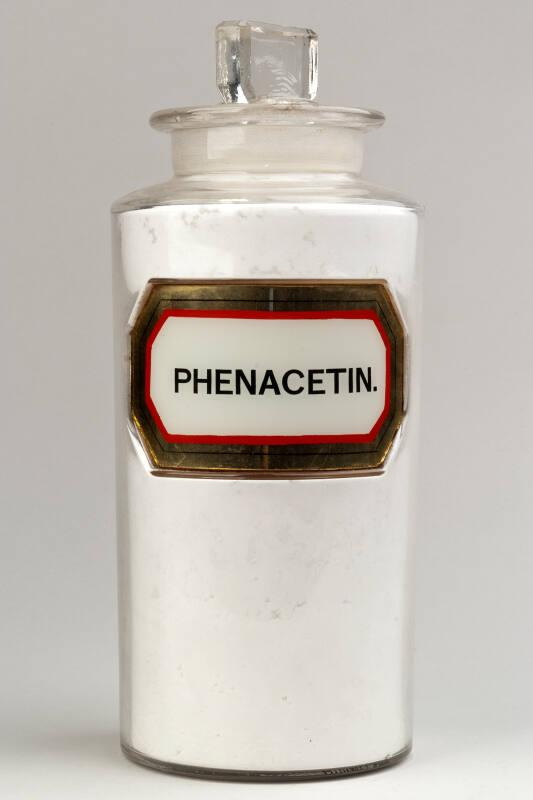
Phenacetin is banned for medicinal use but can be legally purchased and sold for research and industrial applications with regulatory compliance.
Long-term use can cause kidney damage, cancer, blood disorders, and allergic reactions. It is classified as a carcinogen.
No, it is no longer approved or recommended for pain relief due to safety concerns and regulatory bans.
Certified chemical suppliers in the UK and reputable OEM manufacturers in China provide research-grade phenacetin with quality assurance.
Use appropriate PPE including gloves, masks, and eye protection; avoid inhalation and skin contact; adhere to all safety and legal guidelines.
[1](https://en.wikipedia.org/wiki/Phenacetin)
[2](https://www.chemicalbook.com/article/phenacetin-a-comprehensive-overview-for-chemistry-professionals.htm)
[3](https://www.chemicalbook.com/article/the-uses-of-phenacetin.htm)
[4](https://www.cfsre.org/nps-discovery/public-alerts/phenacetin-a-toxic-adulterant-found-in-illicit-street-drugs)
[5](https://www.canada.ca/en/environment-climate-change/services/evaluating-existing-substances/screening-assessment-phenacetin.html)
[6](https://pubchem.ncbi.nlm.nih.gov/compound/Phenacetin)
[7](https://go.drugbank.com/drugs/DB03783)
[8](https://www.ncbi.nlm.nih.gov/books/NBK590907/)
[9](https://www.sciencedirect.com/science/article/pii/S2211715624006143)
Hot tags: Phenacetin Purchase UK, Buy Phenacetin Online, Phenacetin Suppliers UK, Phenacetin Legal Status UK, Phenacetin Price Comparison, Safe Online Pharmacy UK, Phenacetin Side Effects, Phenacetin Uses and Risks, Phenacetin Quality Assurance, Phenacetin Shipping Options UK