Content Menu
● Current Market Overview in the UK
● Regulatory Environment and Safety Considerations
● Market Segmentation and Purchasing Trends
● Influence of the Global Phenacetin Market
● Application Highlights Driving Demand
● Distribution Channels and Supply Chain
● Challenges and Opportunities
● Frequently Asked Questions (FAQs)
>> 1. Is phenacetin legally available for pharmaceutical use in the UK?
>> 2. What are the typical purity grades for phenacetin in the UK market?
>> 3. How can international buyers source phenacetin in the UK?
>> 4. What industries primarily use phenacetin in the UK?
>> 5. How do regulations impact the phenacetin market in the UK?
Phenacetin is a synthetic analgesic and antipyretic compound with a long history dating back to its introduction in 1887. Known for its pain relief and fever-reducing properties, phenacetin was widely used in pharmaceuticals in the early 20th century. However, due to its adverse health effects—particularly nephrotoxicity and carcinogenic risks—phenacetin was withdrawn from over-the-counter use in the UK in 1980. Despite this, the compound still holds importance in specialized pharmaceutical synthesis, chemical manufacturing, and scientific research applications within the UK. This article explores the current phenacetin market status, purchasing trends, regulatory landscape, and future prospects in the UK, offering valuable insights for international suppliers, brands, and wholesalers seeking OEM opportunities.
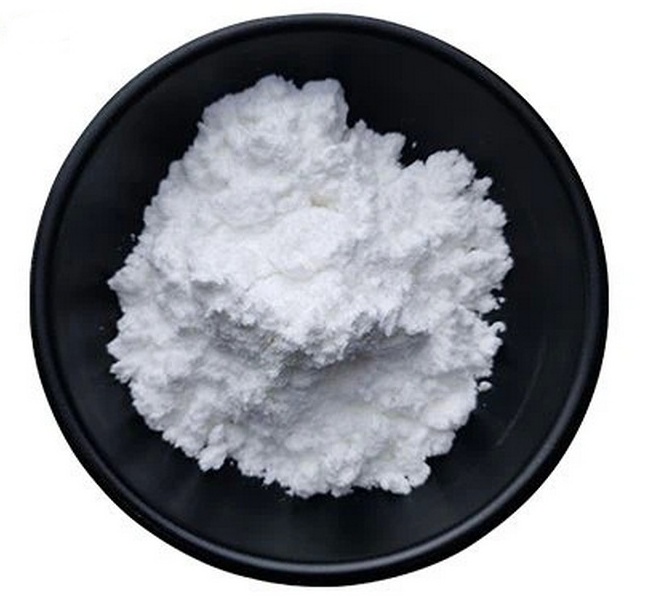
Although direct pharmaceutical use of phenacetin has been largely discontinued in the UK, its market continues to witness demand for the compound as a chemical intermediate and research reagent. Phenacetin is integral in the manufacturing process of other pharmaceutical compounds, dyes, agrochemicals, and specialty chemicals, maintaining its relevance beyond consumer medicine.
The UK market fits within the broader European and global phenacetin landscape, where strict regulatory frameworks govern production, import, and distribution. Businesses within this space prioritize pharmaceutical-grade phenacetin, typically with purity specifications of 99% to 99.5%, to meet stringent safety and efficacy standards.
Market size estimates for phenacetin highlight moderate but stable demand especially driven by pharmaceutical intermediates and industrial applications. The presence of online specialty chemical suppliers complemented by traditional distribution channels such as hospital pharmacies and direct OEM partnerships ensures phenacetin accessibility for licensed users.
Phenacetin's removal from consumer pharmaceutical products in the UK was prompted by documented nephrotoxicity and carcinogenicity risks. Consequently, ongoing usage is subject to strict regulation by agencies such as the European Medicines Agency (EMA) and UK Medicines and Healthcare product Regulatory Agency (MHRA). These bodies enforce tight controls on phenacetin production, certification, and distribution, which significantly shape purchasing patterns.
Strict compliance with regulatory requirements ensures that only certified pharmaceutical-grade phenacetin is distributed to authorized users. Buyers in the UK demand transparency regarding product source, testing certificates, and quality assurance to mitigate risks and ensure regulatory adherence. This controls the market's growth but also fosters trust between suppliers and buyers.
Demand for phenacetin in the UK is segmented by purity, application, distribution channels, and end-users. Key trends include:
- Purity Focus: The pharmaceutical sector favors phenacetin with 99.5% purity due to its superior quality and safety profile. This segment commands the largest market share, driven by the need for high-reliability raw materials in medication synthesis.
- Application Areas: The pharmaceutical industry represents the largest consumer segment, using phenacetin as an intermediate for developing pain-relief formulations. The chemical industry also shows significant demand, utilizing phenacetin in organic synthesis, dye production, and agrochemical manufacture.
- Distribution Channels: While retail pharmacies have limited phenacetin-based products due to restrictions, hospital pharmacies and specialized online chemical suppliers ensure availability for industrial and research purposes. The rise of e-commerce in pharmaceuticals supports growth in online procurement channels.
- End Users: Hospitals, clinics, and research institutes form the primary buyers, with research facilities driving innovation through clinical studies and pharmaceutical development programs involving phenacetin derivatives.
Purchasing decisions heavily weigh on certified product quality, compliance with safety regulations, as well as supplier reputation. Overseas manufacturers with OEM capabilities catering to pharmaceutical markets play a critical role in fulfilling UK demand.
The UK's phenacetin market is influenced greatly by global supply dynamics. Major producers in Asia-Pacific regions, especially China and India, supply pharmaceutical-grade intermediates to the UK due to cost efficiencies and mature manufacturing processes. These global supply chains facilitate the UK's stable access to phenacetin despite stringent domestic regulations.
Forecasts project the global phenacetin market to grow at a compound annual growth rate (CAGR) around 4.3% to 5% through 2030, driven by increasing pharmaceutical research and demand for effective pain management solutions worldwide. This growth supports innovation in phenacetin-related drug formulations and broadens availability for UK buyers.
Innovations in digital supply chain management and AI-enabled quality control further optimize phenacetin sourcing and distribution internationally, benefiting UK stakeholders through improved traceability and product safety assurance.
Phenacetin's versatile industrial usage defines its ongoing relevance in the UK market:
- Pharmaceutical Industry: It remains an essential intermediate in synthesizing analgesics and antipyretics, facilitating production of safer pain-relief medicines post-phenacetin withdrawal.
- Chemical Industry: Phenacetin is widely applied in organic synthesis, production of dyes, and agrochemical preparations, reflecting its utility beyond pharmaceuticals.
- Research & Development: Scientific and clinical research institutions in the UK procure phenacetin for experimental drug formulation, pharmacological studies, and safety testing, exploring new therapeutic potentials.

The UK phenacetin supply chain reflects a combination of traditional and modern channels:
- Hospital Pharmacies: Provide controlled access for clinical and research applications.
- Specialized Online Suppliers: Increase convenience for legitimate industrial and research users, supporting transparent documentation and certification.
- Direct OEM Manufacturers: Overseas manufacturers with GMP compliance engage in bulk supply agreements with UK pharma firms, emphasizing quality and regulatory compliance.
- Retail Pharmacies: Play a minimal role due to regulatory restrictions on phenacetin-containing consumables.
Increased digital adoption facilitates order tracking, quality checks, and regulatory filings, enhancing market efficiency.
The phenacetin market globally and in the UK faces competition from alternative analgesics like paracetamol and emerging pain management therapies. Furthermore, regulatory complexities impose constraints on market expansion. However, these challenges open avenues for high-purity, certified phenacetin OEM supply targeting niche pharmaceutical synthesis and advanced research sectors.
Rising chronic pain incidence, an aging population, and emphasis on personalized medicine fuel demand for novel analgesic intermediates—an opportunity for manufacturers to innovate phenacetin formulations tailored to modern therapeutic needs.
Investments in R&D continue to propel phenacetin's relevance, encouraging collaborations between UK buyers and international OEM producers to drive product development.
In the UK, phenacetin remains a chemical of strategic importance, primarily as an intermediate in pharmaceutical synthesis and industrial applications. Despite historical restrictions and safety concerns limiting consumer use, the compound sustains steady demand guided by stringent regulatory compliance and quality standards. Purchasing trends favor high-purity, certified phenacetin sourced through reputable OEM manufacturers and specialized suppliers.
As the global phenacetin market expands driven by medical research and industrial needs, UK stakeholders stand to benefit from stable supply chains and technological advancements in product safety assurance. International brands, wholesalers, and manufacturers interested in supplying phenacetin to the UK market should prioritize regulatory compliance, product quality, and transparency to capitalize on these evolving opportunities.
Interested in high-quality phenacetin OEM supply tailored for your pharmaceutical or industrial projects? Contact us today to discover our full range of certified products, competitive pricing, and dedicated customer service.
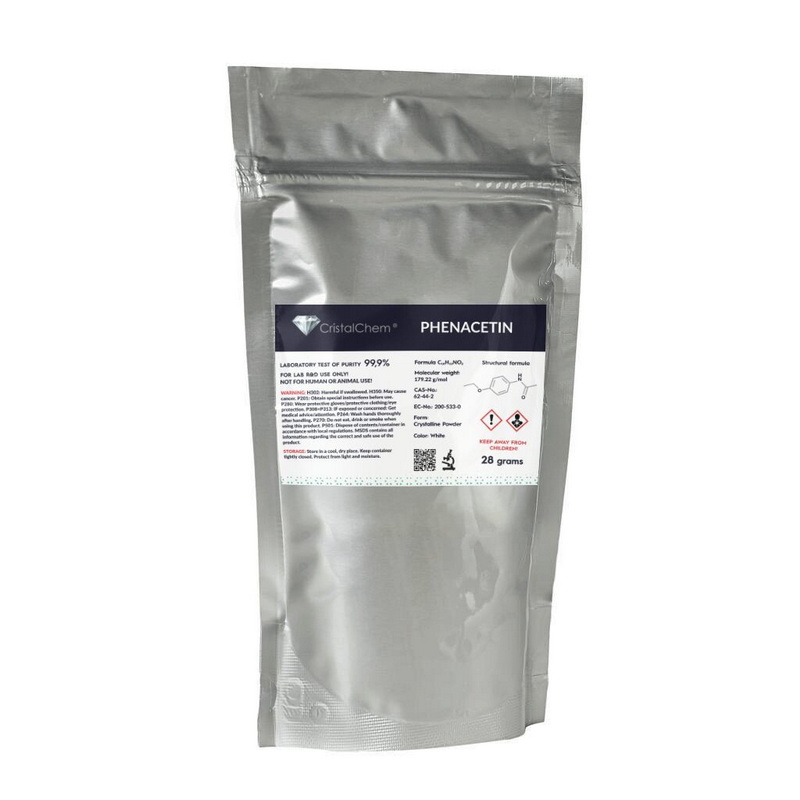
Phenacetin is banned from over-the-counter pharmaceutical products in the UK due to safety concerns but remains available under strict regulatory control for industrial, research, and synthesis applications.
Pharmaceutical-grade phenacetin with purity levels of 99% and 99.5% are commonly purchased for their safety and suitability in pharmaceutical synthesis and chemical manufacturing.
Sourcing is possible through certified UK-based suppliers, specialized online pharmacies, hospital pharmacies for research use, and direct OEM partnerships with international manufacturers.
Phenacetin is primarily used in pharmaceutical intermediates manufacturing, chemical industry applications such as dye and agrochemical production, and scientific research institutions.
Regulations ensure strict control over phenacetin's production, import, and distribution to protect public health, requiring buyers to procure only certified and compliant products from licensed suppliers.
[1](https://dataintelo.com/report/phenacetin-market)
[2](https://www.linkedin.com/pulse/phenacetin-market-growth-business-outlook-f85fe)
[3](https://www.linkedin.com/pulse/phenacetin-market-importance-latest-developments-7eilf)
[4](https://uk.finance.yahoo.com/news/acetaminophen-market-opportunity-growth-drivers-082800689.html)
[5](https://uk.finance.yahoo.com/news/acetaminophen-market-trends-forecasts-2023-095300785.html)
[6](https://www.gminsights.com/industry-analysis/acetaminophen-market)
[7](https://www.bmj.com/content/390/bmj.r2032)
[8](https://www.pharmaceutical-technology.com/news/uk-pharma-industry-risks-losing-world-leading-status-as-investment-plummets/)
[9](https://www.abpi.org.uk/media/news/2025/march/medicine-levy-makes-the-uk-un-investable-say-pharma-leaders/)
[10](https://www.reuters.com/business/healthcare-pharmaceuticals/eli-lillys-boss-calls-uk-worst-european-country-drug-prices-2025-09-24/)
Hot tags: Phenacetin Market Trends, UK Phenacetin Purchasing, Phenacetin Sales Analysis, Phenacetin Demand UK, Buy Phenacetin Online, Phenacetin Market Insights, Phenacetin Price Trends, UK Pharmaceutical Market, Phenacetin Supply Chain, Phenacetin Consumer Preferences