Content Menu
● Introduction to Phenacetin Powder
● Benefits of Phenacetin Powder
>> Effective Analgesic and Antipyretic
>> Lower Gastrointestinal Irritation
● Safety Concerns and Regulatory Actions
>> Kidney Damage (Analgesic Nephropathy)
>> Hematologic and Hepatic Effects
● Modern Uses of Phenacetin Powder
● How to Purchase Phenacetin Powder Safely
>> 1. Source from Reputable Manufacturers
>> 2. Verify Purity and Documentation
>> 4. Use Proper Handling Procedures
>> 5. Professional Transport and Storage
● Frequently Asked Questions (FAQs)
>> 1. What is phenacetin powder primarily used for?
>> 2. Why was phenacetin banned in many countries?
>> 3. What safer alternatives are available?
>> 4. What precautions are needed when handling phenacetin powder?
>> 5. Can phenacetin powder be legally purchased for research?
Phenacetin powder, scientifically known as N-(4-ethoxyphenyl)acetamide, is an organic compound once widely used as a pain reliever and fever reducer. Since its introduction in 1887, phenacetin has played a significant role in pharmaceutical history as one of the first synthetic non-opioid analgesics and antipyretics. However, due to concerns regarding its safety, especially related to kidney damage and carcinogenicity, phenacetin's use in medicine has been withdrawn or banned in many countries. This comprehensive article explores the benefits, medical and other uses, important safety considerations, and guidelines for purchasing phenacetin powder safely from trusted suppliers.
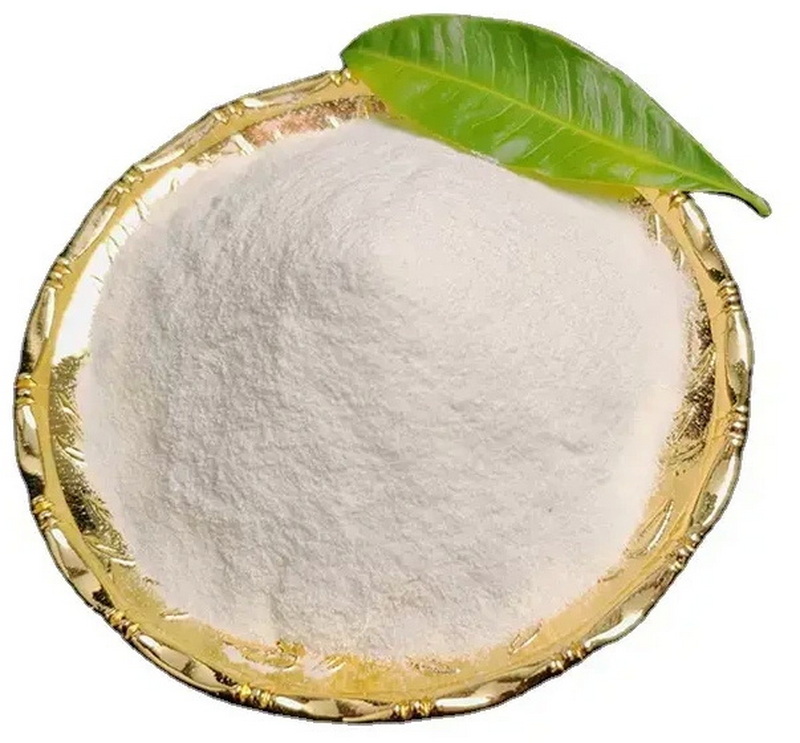
Phenacetin was first synthesized and introduced by the German pharmaceutical company Bayer in 1887, marking a breakthrough as an analgesic without anti-inflammatory properties. It works primarily on the central nervous system, targeting sensory tracts in the spinal cord to reduce pain signals. Additionally, phenacetin acts on the brain's temperature regulation center to lower fever and even has a depressant effect on cardiac muscle, acting as a negative inotrope.
Phenacetin appears as a white crystalline powder and was initially praised for its efficacy in reducing mild to moderate pain and fever with fewer gastrointestinal side effects than aspirin, making it a popular remedy worldwide for decades.
Phenacetin has been effective in relieving various types of pain including headaches, neuralgia, rheumatoid arthritis, and other musculoskeletal pains. Its antipyretic effect helps reduce fever by resetting the hypothalamic temperature set point, making it a useful agent during infectious and inflammatory conditions.
Compared to aspirin and some other traditional painkillers, phenacetin causes less irritation to the stomach lining, resulting in a lower risk of developing gastrointestinal ulcers and bleeding when used appropriately.
Historically, phenacetin was combined with caffeine and aspirin in APC (aspirin-phenacetin-caffeine) powders and tablets to enhance pain relief and reduce symptoms like headaches and colds. This combination was widely accepted in countries like Australia, the UK, and the US due to its synergistic analgesic effects.
Phenacetin powder's medical use peaked in the early to mid-20th century. It was frequently administered in formulations for:
- Rheumatoid arthritis (specifically subacute types)
- Intercostal neuralgia (nerve pain along the rib cage)
- General pain relief (headaches, toothaches, menstrual cramps)
- Fever reduction during viral and bacterial infections
Moreover, phenacetin was marketed as an over-the-counter medication in many countries for decades, sometimes under brand names like Roche's Saridon and Australia's Bex powder. The latter became so culturally famous that the phrase “a cup of tea, a Bex and a good lie down” entered daily vernacular in Australia.
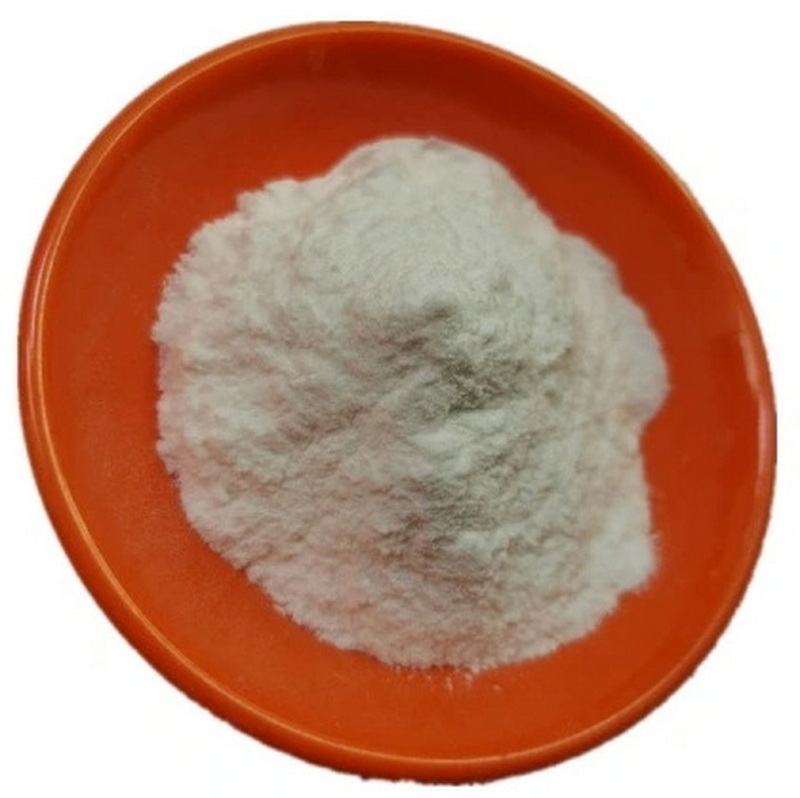
Despite its widespread use and benefits, phenacetin's safety profile deteriorated as evidence emerged linking its chronic use to severe health risks:
Long-term phenacetin use was found to cause nephropathy, a condition where kidney tissue deteriorates, particularly damaging the renal papillae. This effect led to a surge in kidney failure cases among habitual users of phenacetin-containing analgesics.
Research established that phenacetin is a probable human carcinogen, with increased risks of urinary tract cancers, especially urothelial carcinomas in the renal pelvis. Its metabolite, p-phenetidine, formed during breakdown in the body, is believed to contribute to this carcinogenic potential.
High exposure to phenacetin has also been linked to anemia, liver damage, and methemoglobinemia, a blood disorder affecting oxygen transport.
These alarming health concerns led to phenacetin being withdrawn from the pharmaceutical market in many countries:
- Canada banned therapeutic use in 1973
- Australia banned APC compounds by 1977
- The United States Food and Drug Administration (FDA) banned phenacetin-containing drugs in 1983
- The UK, India, and several European countries also prohibited its use in the late 20th century
Phenacetin-based medications were gradually replaced by safer alternatives like paracetamol (acetaminophen), which shares some benefits but without the severe toxicity.
Today, phenacetin powder has limited application restricted to specific uses:
- Research: Phenacetin is used in scientific studies on analgesic nephropathy, carcinogenesis, and crystal properties due to its well-established chemical structure.
- Industrial & Laboratory Applications: It acts as an intermediate in pharmaceutical synthesis or as a reagent in certain chemical processes.
- Adulterant: Unethically, phenacetin has been reported as a cutting agent in illicit drugs like cocaine due to its similar physical appearance.
Due to its toxic profile, phenacetin is only handled in controlled research or industrial environments with strict safety protocols.
If phenacetin powder is needed for research or industrial purposes, safety and compliance are paramount. The following guidelines help ensure safe and legal acquisition:
Buying phenacetin from certified, trustworthy suppliers who comply with national and international chemical regulations guarantees product quality and adherence to safety standards.
Ensure the product is pharmaceutical or research-grade with purity levels typically ≥99%. Request certificates of analysis (CoA), safety data sheets (SDS), and documentation confirming origin and handling instructions.
Confirm that purchasing and importing phenacetin powder aligns with local laws concerning controlled or hazardous substances. Some countries may require permits or certifications.
Wear personal protective equipment such as gloves, masks, and safety glasses when handling phenacetin powder to prevent inhalation, ingestion, or skin contact. Store it in a cool, dry, ventilated place and keep it away from moisture and oxidizers.
Use appropriate containers and labeling for transport and storage to minimize exposure risks and contamination.
Phenacetin powder remains a remarkable chemical compound with a rich history as a pioneering analgesic and fever reducer. However, due to the serious side effects discovered over time, including kidney damage and carcinogenicity, phenacetin's medical use has been largely discontinued and banned in many regions. Despite these challenges, phenacetin continues to hold value in scientific research and industrial settings where careful handling and legal compliance are mandatory.
For global brand owners, wholesalers, and manufacturers seeking OEM phenacetin powder for lawful research or industrial applications, sourcing from a reliable Chinese factory with stringent quality control and compliance expertise is essential. Our company offers high-purity phenacetin with professional OEM services tailored for international standards. Contact us today to discuss your specific requirements and receive a personalized quote.
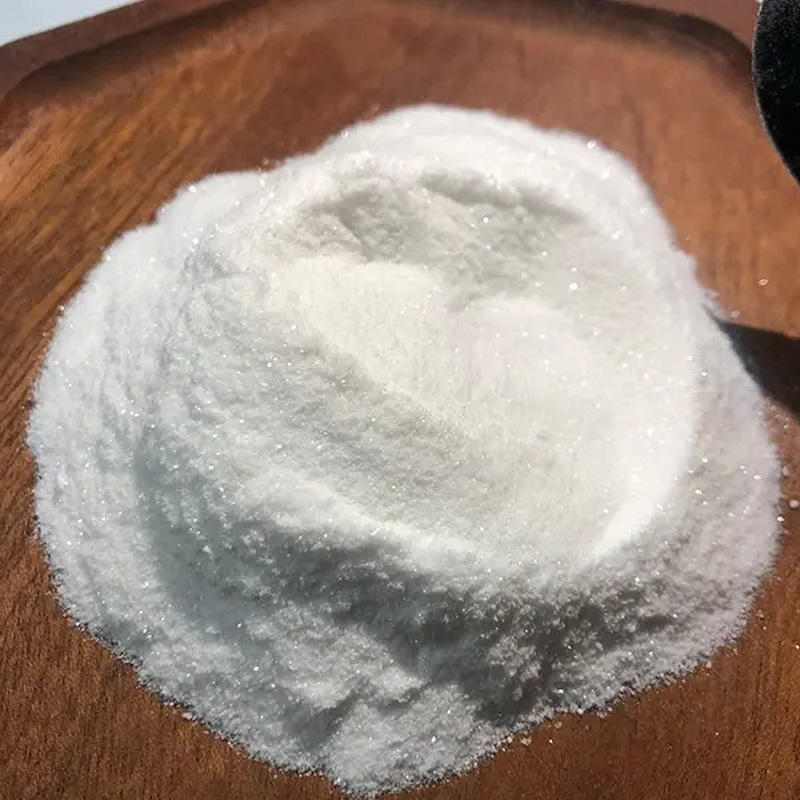
Phenacetin powder was mainly used as an analgesic to relieve mild to moderate pain and as an antipyretic to reduce fever. It also treated conditions like rheumatoid arthritis and neuralgia but is now mostly restricted to research uses due to safety concerns.
Chronic use of phenacetin was linked to kidney damage (analgesic nephropathy) and increased cancer risks, leading to its withdrawal to protect public health. Regulatory bodies worldwide banned its sale due to these significant risks.
Paracetamol (acetaminophen), a metabolite of phenacetin, provides similar pain and fever relief with a much safer profile and is the preferred alternative in clinical practice worldwide.
Handling phenacetin requires protective gear such as gloves, masks, and eye protection to avoid inhalation and skin contact. Storage should be in cool, dry, ventilated environments away from oxidants, following safety data sheet guidelines.
Yes, phenacetin powder can be legally purchased from certified suppliers for legitimate research or industrial use, provided that all local laws and import regulations are observed.
[1](https://en.wikipedia.org/wiki/Phenacetin)
[2](https://www.australianpharmacist.com.au/cup-of-tea-bex-good-lie-down/)
[3](https://www.ncbi.nlm.nih.gov/books/NBK304337/)
[4](https://www.cfsre.org/nps-discovery/public-alerts/phenacetin-a-toxic-adulterant-found-in-illicit-street-drugs)
[5](https://mymortuarycooler.com/blogs/news/an-essential-guide-to-bex-powder-uses-history-and-safety)
[6](https://go.drugbank.com/drugs/DB03783)
[7](https://www.canada.ca/en/environment-climate-change/services/evaluating-existing-substances/screening-assessment-phenacetin.html)
[8](https://www.canada.ca/en/environment-climate-change/services/evaluating-existing-substances/draft-screening-assessment-acetamide-n-4-ethoxyphenyl-phenacetin.html)
[9](https://www.pharmacompass.com/chemistry-chemical-name/phenacetin)
[10](https://synapse.patsnap.com/article/what-is-phenacetin-used-for)
Hot tags: Phenacetin Powder Benefits, Phenacetin Uses, How to Buy Phenacetin Safely, Phenacetin Safety Guidelines, Phenacetin Dosage Information, Phenacetin Side Effects, Phenacetin Purchase Tips, Phenacetin Quality Assurance, Phenacetin Research Applications, Phenacetin Legal Status