Content Menu
● Introduction to Phenacetin Powder
● Historical Background and Current Significance
● Applications of Phenacetin Powder
● Manufacturing Process of Phenacetin Powder
● Major Phenacetin Powder Suppliers in China
● Quality Control and Compliance
● Safety and Regulatory Aspects
● Frequently Asked Questions (FAQs)
>> 1. What purity level of Phenacetin powder do top suppliers provide?
>> 2. Is Phenacetin powder safe for human medicinal use?
>> 3. How can I ensure smooth customs clearance for Phenacetin imports?
>> 4. Do Chinese suppliers offer OEM packaging and private labeling?
>> 5. What are the safety precautions when handling Phenacetin powder?
Phenacetin powder, a white crystalline substance, has been widely recognized for its historical role as an analgesic and antipyretic agent. Originally developed in the late 19th century, it was once a cornerstone in pain relief and fever reduction medications. Although its medicinal use has been curtailed due to safety concerns, Phenacetin powder continues to hold importance for pharmaceutical synthesis and specialized industrial applications. This comprehensive article explores the nature, applications, and supplier landscape of Phenacetin powder, with a focus on reliable OEM sources from China for foreign brands, wholesalers, and manufacturers.
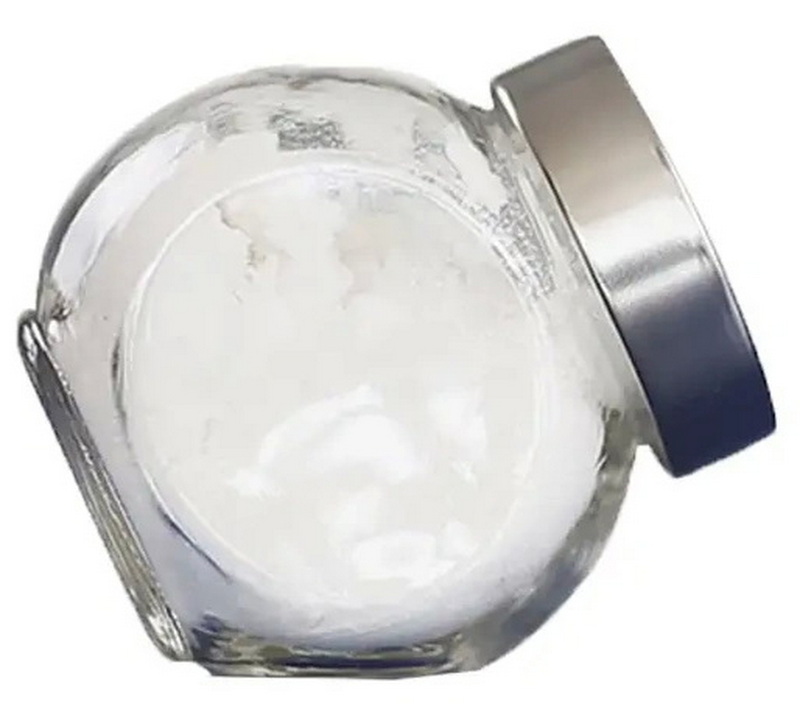
Phenacetin (CAS number 62-44-2), chemically termed N-(4-Ethoxyphenyl)acetamide or Acetophenetidin, is a non-opioid analgesic that acts centrally to alleviate pain and reduce fever. It appears as a white flaky crystalline powder with a melting point between 133 to 136 °C and high purity levels in pharmaceutical formats, often exceeding 98%. Although largely phased out from over-the-counter medicine due to its nephrotoxic and carcinogenic properties, Phenacetin remains relevant in certain pharmaceutical processes and research contexts.
Its limited solubility in water and stability under controlled conditions make it suitable for specialized chemical syntheses rather than direct medicinal use.
Phenacetin's roots date back to its invention in 1887, gaining fame as one of the first synthetic analgesics and antipyretics. Bayer initially commercialized it, and it became a major ingredient in various analgesic combinations. Despite its widespread use for decades, long-term consumption was found to cause analgesic nephropathy and increase cancer risks, leading to its ban or restricted use globally by the 1980s.
Today, Phenacetin's role has shifted primarily to pharmaceutical research, chemical intermediates production, and limited industrial applications. Its manufacture persists predominantly in countries with regulatory environments that permit controlled production.
Though no longer a mainstream drug, Phenacetin powder serves key roles including:
- Synthesis intermediate in pharmaceutical manufacturing, especially related to analgesic drugs.
- Used in chemical studies and research exploring new pain-relief compounds.
- Functions as a stabilizing agent in specific industrial chemical reactions.
- Retains minimal applications in veterinary medicine in some regions.
The compound's characteristics enable it to be a valuable raw material for pharmaceutical companies engaged in OEM manufacturing.
Producing Phenacetin involves a multi-step synthesis starting from key raw materials such as p-nitrophenol or p-ethoxynitrobenzene. A classical and efficient method includes ethylation followed by hydrogenation and acetylation processes:
1. Starting Material: p-nitrophenol is ethylated with ethyl bromide under pressure to form p-ethoxynitrobenzene.
2. Hydrogenation: Using a catalyst such as Raney nickel, p-ethoxynitrobenzene is hydrogenated in isopropyl alcohol solvent at 60-70°C. This transforms it to p-ethoxyaniline (also known as p-phenethidine).
3. Acetylation: The intermediate, p-ethoxyaniline, is then acetylated directly in the same reactor with acetic anhydride, avoiding extraction steps. This yields phenacetin with yields around 90% or higher.
4. Purification: The crude phenacetin is filtered, recrystallized from distilled water (sometimes using activated charcoal), and further clarified to pharmaceutical grade.
This catalytic method is cost-effective, reduces hazardous waste, and utilizes recyclable solvents, making it attractive for OEM manufacturers aiming for high purity and eco-friendly processes.
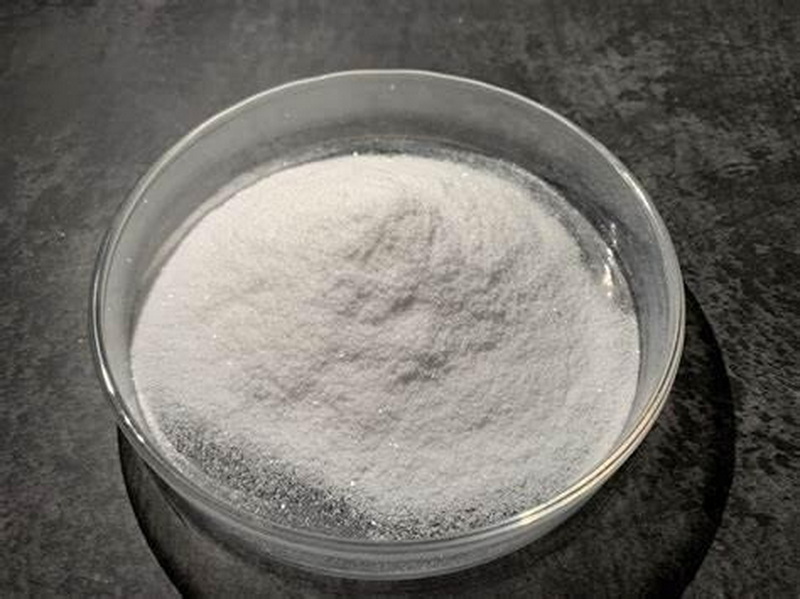
China controls a significant portion of the global Phenacetin supply chain due to its advanced chemical manufacturing infrastructure. Leading Chinese suppliers serve foreign clients with high-quality, pharmaceutical-grade Phenacetin powder and offer OEM services tailored to custom requirements.
Key Suppliers Characteristics:
- Advanced production capabilities with strict quality control.
- Compliance with international standards such as ISO 9001 and GMP.
- Competitive pricing due to economies of scale and local sourcing of raw materials.
- Ability to provide custom packaging, labeling, and formulation services.
- Strong logistics network optimizing global shipping and customs clearance.
These features make Chinese suppliers ideal partners for global brands and wholesalers seeking reliable OEM Phenacetin products.
Phenacetin, due to its hazardous profile, demands stringent quality and safety oversight. Reputable manufacturers provide:
- Certificates of Analysis (COAs) verifying purity above 98%, typically using HPLC and melting point analysis.
- Safety Data Sheets (SDS) outlining handling, storage, and disposal instructions.
- Batch-to-batch consistency ensured via advanced analytical testing.
- Compliance documentation for export and international regulatory standards.
This level of QA supports clients aiming to meet compliance across markets while maintaining product integrity.
Phenacetin is classified as a potentially carcinogenic and nephrotoxic substance, leading to its ban in many pharmaceutical applications worldwide. Importers and manufacturers must adhere to strict regulations governing its possession, transportation, and usage.
Handling protocols include:
- Use of appropriate personal protective equipment (PPE) such as gloves and respirators.
- Storage in dry, cool, and ventilated conditions.
- Avoidance of mixing with strong oxidizers or incompatible chemicals.
Due to these concerns, Phenacetin's legitimate usage is now primarily limited to industrial and research environments.
Phenacetin powder, once a widely-used painkiller and fever reducer, today plays a specialized role as a pharmaceutical intermediate and research chemical. Chinese manufacturers, equipped with modern facilities and compliance capabilities, provide high-quality Phenacetin powder with OEM customization, meeting international buyer needs for purity, safety, and consistent supply.
Partnering with these suppliers offers foreign brands, wholesalers, and producers a competitive edge and secure sourcing in this niche market. To explore tailored Phenacetin powder solutions, prospective buyers are encouraged to reach out to experienced Chinese OEM manufacturers who can deliver quality and reliability.
For premium Phenacetin powder with guaranteed quality and customized OEM services from trusted Chinese manufacturers, contact our recommended suppliers today to discuss your specific needs. Secure your supply chain with expert partners committed to excellence and compliance.
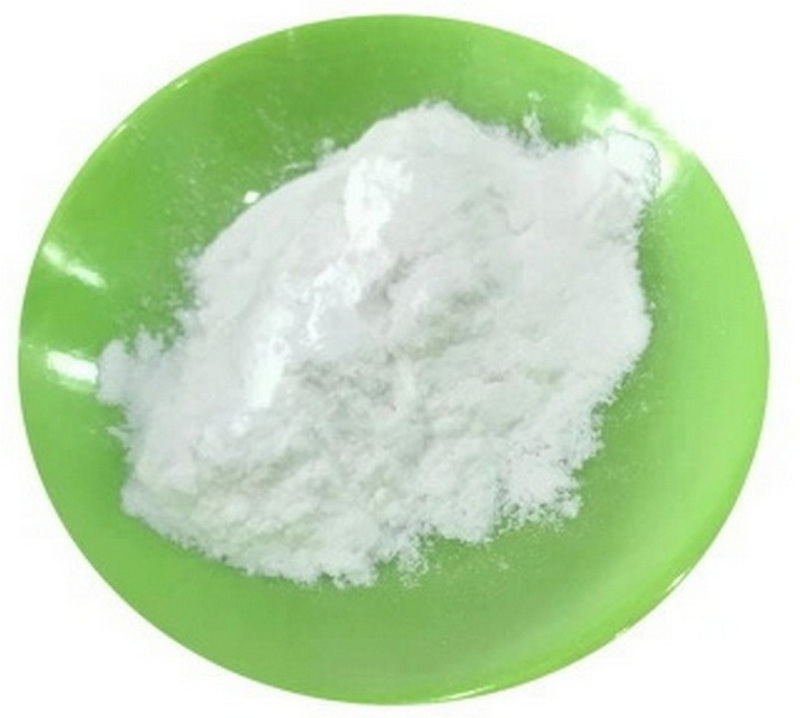
Leading Chinese manufacturers typically offer Phenacetin powder with purity exceeding 98%. Analytical verification through HPLC and melting point analysis is standard to ensure pharmaceutical-grade quality.
Phenacetin has been withdrawn from most human medicinal uses due to risks including kidney damage and carcinogenicity. Presently, it is used mainly in industrial, research, and veterinary contexts where permitted.
Partnering with suppliers having international shipping expertise and relevant export certifications is essential. Some manufacturers provide specialized logistics support to avoid customs delays.
Yes, many Chinese Phenacetin suppliers are experienced in OEM services, offering custom packaging, labels, and formulation adaptation to client specifications.
Use personal protective equipment including gloves and masks. Store in controlled environments, avoid airborne dust, and possibly conduct handling in ventilated or fume hood areas to prevent exposure.
[1](https://patents.google.com/patent/RU2546111C2/en)
[2](https://patents.google.com/patent/KR860000530B1/en)
[3](https://www.procurementresource.com/reports/phenacetin-manufacturing-plant-project-report)
[4](https://www.slideserve.com/AliceLiu/manufacturer-supply-raw-material-cas-62-44-2-phenacetin-powerpoint-ppt-presentation)
[5](https://www.sciencedirect.com/science/article/abs/pii/S1876107015003946)
[6](https://www.sciencedirect.com/science/article/abs/pii/S0032591004000634)
[7](https://pubs.acs.org/doi/abs/10.1021/op500308x)
Hot tags: Phenacetin Powder Suppliers, Phenacetin Reviews, Best Phenacetin Suppliers, Phenacetin Quality Assessment, Buy Phenacetin Online, Phenacetin Supplier Ratings, Phenacetin Supplier Comparison, Phenacetin Market Insights, Phenacetin Supplier Recommendations, Phenacetin Purchase Guide