Content Menu
● Historical and Medical Uses of Phenacetin
● Benefits of Phenacetin Powder
● Chemical and Physical Properties
● Safety Concerns and Regulatory Status
● Where to Find Phenacetin Powder
● Current Uses and Availability
● Frequently Asked Questions (FAQs)
>> 1. What is phenacetin powder used for?
>> 2. Is phenacetin safe for medicinal use?
>> 3. Can phenacetin powder be legally purchased?
>> 4. What are the main health risks of phenacetin?
>> 5. How is phenacetin powder synthesized?
Phenacetin powder, chemically known as N-(4-ethoxyphenyl)acetamide or acetophenetidin, is a white crystalline compound historically used as a pain reliever and fever reducer. Introduced in 1887 by Bayer in Germany, it was one of the earliest synthetic analgesics before being largely withdrawn in the late 20th century due to safety concerns. This article explores the uses, benefits, risks, and current availability of phenacetin powder, providing essential insights for buyers, manufacturers, and researchers interested in this compound.
Phenacetin is an analgesic and antipyretic drug that was once widely used for relieving mild to moderate pain and reducing fever. Its analgesic effect primarily stems from its metabolic conversion to paracetamol (acetaminophen), the clinically active metabolite. Unlike nonsteroidal anti-inflammatory drugs (NSAIDs), phenacetin lacks anti-inflammatory properties but acts centrally on the sensory tracts in the spinal cord to diminish pain perception.
Commonly administered in tablets or powder form, dosage typically ranged from 150 to 300 mg per tablet and up to 500 mg in powder form, with a daily maximum of about 2 grams.
Phenacetin had a long history of use since the late 19th century for conditions including headaches, neuralgia, joint pain, and fevers. It featured prominently in combination analgesic medications, especially aspirin-phenacetin-caffeine mixtures popular until the 1970s. It also found niche use as a stabilizer in cosmetic products like hydrogen peroxide-based hair bleaches and in pharmaceutical research due to its well-defined crystal properties.
Phenacetin offered several benefits as an analgesic and antipyretic agent:
- Effective Pain Relief: It was favored for its strong analgesic effect, useful for subacute pain and arthritis discomfort.
- Fever Reduction: Phenacetin reduces fever by acting on the hypothalamus, the body's temperature control center.
- Non-Opioid Option: It provided a pain relief alternative without the addictive risks of opioids.
- Research and Industrial Uses: Its chemical stability and distinctive crystal structure have kept it relevant for physicochemical and industrial research today.
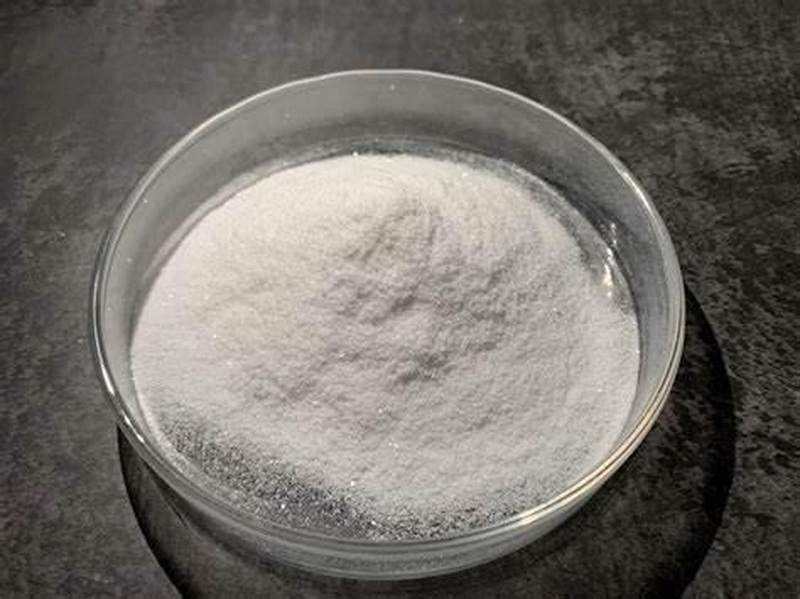
Phenacetin is a white to almost white crystalline powder with a slightly bitter taste. It has a molecular formula of C10H13NO2 and a molecular weight of 179.22 g/mol. In standard pharmaceutical-grade form, the purity is above 99%. It melts between 134 to 138 °C, is insoluble in water (around 500 mg/l at 25 °C), but soluble in organic solvents like acetone and chloroform.
Other important technical properties include a density of 1.23 g/cm³ at 20 °C, refractive index of 1.51, and it is classified under hazard statements indicating potential harm if swallowed and potential carcinogenicity. Safety protocols recommend wearing protective equipment and avoiding dust inhalation.
Despite its benefits, phenacetin presented serious safety concerns:
- It is classified as a Group 1 carcinogen by the International Agency for Research on Cancer (IARC) due to its strong linkage to cancers of the urinary tract.
- Long-term use causes analgesic nephropathy, a severe kidney disease stemming from renal papillary necrosis.
- Due to these health risks, phenacetin was withdrawn from many markets globally, banned in Canada in 1973, the UK in 1980, and the USA in 1983.
- Its metabolites, such as p-phenetidine, are highly toxic and genotoxic.
- More recently, phenacetin contamination has been detected in illicit drug supplies as an adulterant, raising public health concerns.
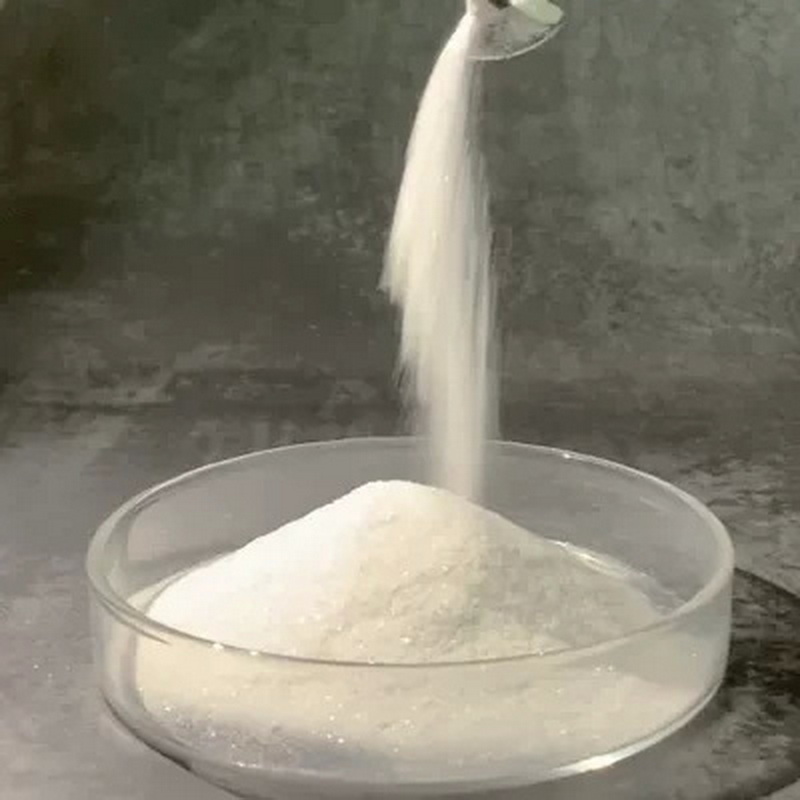
Phenacetin powder is no longer available for medicinal use but can be sourced for research or industrial purposes. Reagent-grade powder is supplied by specialized chemical distributors such as Spectrum Chemical and Glentham Life Sciences, often in quantities ranging from 100 grams to 25 kilograms or more.
Ordering phenacetin requires compliance with strict local regulations due to its hazardous classification. It is typically stored at room temperature in sealed containers under cool, dark conditions.
As phenacetin is banned for human therapeutic use, its presence is mostly limited to:
- Research laboratories studying analgesic drug history, crystallography, or chemical synthesis.
- Industrial research where the stable chemical properties are beneficial.
- Homeopathic products market where highly diluted forms are used, though these are controversial regarding safety and efficacy.
Phenacetin powder was once a revolutionary analgesic and antipyretic agent, paving the way for modern safer medications like paracetamol. However, serious health risks including carcinogenicity and kidney damage led to its global withdrawal from medicinal use. Today, phenacetin remains relevant mainly for industrial and research applications outside human consumption. For those in pharmaceutical manufacturing, biotech, and research, understanding phenacetin's pharmacology, chemical properties, risks, and regulatory status is essential when sourcing or working with this compound.
For reliable, high-quality phenacetin powder and pharmaceutical-grade compounds, our Chinese biotech and pharmaceutical OEM factory offers professional OEM services tailored to your research and industrial needs. Contact us now to secure your supply with guaranteed quality, compliance, and expert support.
Phenacetin powder was historically used as a painkiller and fever reducer. Currently, it is used mainly for research and industrial purposes, not for human medicinal use.
No, phenacetin is no longer considered safe due to its links to kidney damage and cancer. It has been banned in most countries for medicinal purposes.
Yes, phenacetin powder can be legally purchased for research and industrial applications from specialized suppliers, but it is heavily regulated and banned for human therapeutic use.
Long-term exposure to phenacetin is associated with analgesic nephropathy (kidney damage) and increased risk of urinary tract cancers.
Phenacetin is typically synthesized through Williamson ether synthesis, reacting ethyl iodide with paracetamol under basic conditions, followed by purification.
[1](https://www.tcichemicals.com/OP/en/p/P1669)
[2](https://cymitquimica.com/cas/62-44-2/)
[3](https://www.carlroth.com/medias/SDB-9728-GB-EN.pdf?context=bWFzdGVyfHNlY3VyaXR5RGF0YXNoZWV0c3wyNTMxNzl8YXBwbGljYXRpb24vcGRmfGFHSTFMMmhoT1M4NU1UYzRORFV5TmpJek16a3dMMU5FUWw4NU56STRYMGRDWDBWT0xuQmtaZ3xmMTIzMzRiZDI1MWI2OTE3YTQ3ZTYzNzcxNDdiMzc0YTExNDNmZDVkNzMzYWIyZmRhZjA1MzVmZTU0MzMxMWVk)
[4](https://www.elementalmicroanalysis.com/documents/product/sds/PHENACETIN_20240312_EN.pdf)
[5](https://www.alpharesources.com/documents/product/sds/PHENACETIN1.0US.pdf)
[6](https://pubchem.ncbi.nlm.nih.gov/compound/Phenacetin)
[7](https://www.sigmaaldrich.com/HK/en/product/aldrich/77440)
[8](https://en.wikipedia.org/wiki/Phenacetin)
[9](https://www.glentham.com/en/products/product/GK3477/)
[10](https://www.ncbi.nlm.nih.gov/books/NBK304337/)
[11](https://www.youtube.com/watch?v=osklJU9HWcs)
[12](https://www.youtube.com/watch?v=J03ZB0vMzjI)
Hot tags: Phenacetin Powder Uses, Phenacetin Benefits, Buy Phenacetin Powder, Phenacetin Availability, Phenacetin Online Purchase, Phenacetin Pain Relief, Phenacetin Antipyretic Properties, Phenacetin Research Applications, Where to Buy Phenacetin, Phenacetin Chemical Suppliers