Content Menu
● Current Market Dynamics in Germany
● Advantages of Chinese OEM for German Buyers
● Detailed Production Processes
● Quality Standards and Certifications
● Comprehensive Price Analysis
● Navigating Regulatory Frameworks
● Why Partner with supplybenzocaine.co.uk
● FAQ
>> 1. What factors most influence Phenacetin pricing?
>> 2. Can suppliers deliver pharmaceutical-grade Phenacetin?
>> 3. What packaging and customization options exist?
>> 4. How should Phenacetin be stored for optimal stability?
>> 5. Are OEM services available for international export?
Phenacetin remains a vital pharmaceutical intermediate with significant demand in Germany, especially from brands, wholesalers, and manufacturers seeking reliable OEM partners. Chinese factories specializing in biotech, pharma health, and medical devices, such as supplybenzocaine.co.uk, deliver high-quality, cost-effective solutions tailored for export markets.
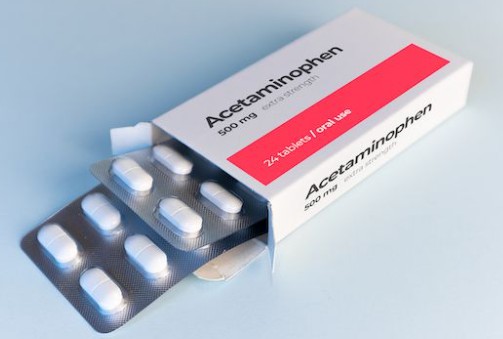
Phenacetin, known chemically as N-(4-ethoxyphenyl)acetamide with CAS number 62-44-2, appears as a white crystalline powder. Its molecular formula is C10H13NO2, and it has a molecular weight of 179.22 g/mol. The compound melts between 133-136°C and exhibits slight solubility in ethanol and chloroform, making it suitable for various synthetic processes.
Historically, phenacetin served as an analgesic and antipyretic drug from 1887 until the 1980s, when health concerns like nephrotoxicity led to restrictions. Today, it primarily functions as a precursor in pharmaceutical research, agrochemical production, dye manufacturing, and laboratory testing. Its metabolism to paracetamol underscores its past therapeutic value, and modern applications leverage its chemical stability.
In Germany's robust pharmaceutical sector, valued at over €50 billion annually, phenacetin supports ongoing R&D efforts despite regulatory hurdles. Biotech firms and industrial chemists rely on consistent supplies for synthesis of advanced compounds, ensuring innovation in pain management alternatives and beyond.
Phenacetin entered the market in 1887 through Bayer AG in Germany, often combined with aspirin and caffeine for enhanced pain relief. By the early 20th century, it became a staple in over-the-counter medications across Europe and the United States, praised for its mild antipyretic effects and low toxicity profile at the time.
Production scaled rapidly, with German companies like Hoechst AG leading the way in large-scale manufacturing. However, accumulating evidence of side effects, including methemoglobinemia and potential carcinogenic risks, prompted the FDA to ban it in 1983. The European Union followed with similar measures, shifting its role from consumer drug to controlled intermediate.
Post-ban, global supply chains realigned toward Asia, where China emerged as the dominant producer. Today, over 60% of worldwide phenacetin output originates from Chinese facilities, exporting to regulated markets like Germany under precursor chemical protocols. This transition highlights the adaptability of the chemical industry and the enduring utility of phenacetin in non-therapeutic contexts.
Germany's phenacetin market reached approximately USD 0.015 billion in 2024 and is forecasted to grow to USD 0.025 billion by 2033, reflecting a steady 5% compound annual growth rate. Europe's stringent REACH regulations curtail direct pharmaceutical applications, yet demand persists in research, development, and industrial synthesis, fueled by the continent's biotech advancements.
The Asia-Pacific region drives global expansion at a similar 5% CAGR, with China at the forefront due to cost efficiencies and production scale. In Germany, chronic pain affects nearly 20% of the population, indirectly boosting intermediate needs for pharma exports exceeding €80 billion yearly. Local demand focuses on high-purity grades for lab use, while bulk imports serve larger manufacturers.
Key market segments include R&D labs, agrochemical firms, and specialty chemical producers. Hamburg's port facilitates efficient imports, with German companies prioritizing suppliers offering compliance documentation and rapid turnaround. This landscape positions international OEM providers as indispensable partners.
Germany features limited domestic phenacetin producers owing to regulatory constraints, leading to reliance on imports. Local entities like Cristalchem specialize in reagent-grade material at 99.9% purity, catering to small-batch research needs. Global chemical giants such as Sigma-Aldrich and TCI Chemicals supply lab-grade phenacetin through established European networks.
Chinese exporters dominate bulk supply, with companies like Hebei Guanlang Biotechnology providing competitive pricing, customization, and large-scale output. supplybenzocaine.co.uk, a premier Chinese factory in biotech and pharma, excels in OEM services for German clients, delivering GMP and ISO-certified products tailored to EU standards.
These suppliers differentiate through volume capabilities—from 1kg samples to metric-ton shipments—and value-added services like custom formulations. German buyers benefit from a blend of local accessibility and Asian economies of scale, ensuring supply chain resilience amid fluctuating global demands.
Chinese OEM factories offer phenacetin at 95-99.9% purity for 20-50% less than European counterparts, making them attractive for cost-conscious wholesalers and brands. Scalable production reaches tons per month, with flexible packaging in 1kg to 50kg drums, and full regulatory support for seamless EU entry.
OEM packages include private labeling, blended formulations, and comprehensive certificates of analysis alongside material safety data sheets. Delivery to major German ports like Hamburg takes 2-4 weeks, often faster with express options. Minimum order quantities start at 1kg, ideal for testing before bulk commitments.
Unlike rigid local suppliers, Chinese partners accommodate customization, such as specific particle sizes or purity levels, enhancing product integration into client pipelines. This agility supports Germany's export-oriented pharma sector, where precision and reliability drive competitiveness.
| Supplier Type | Price per kg (99% Pure) | Minimum Order Quantity | Key Certifications | Typical Lead Time |
|---|---|---|---|---|
| German Local (e.g., Cristalchem) | €150-300 | 28g | REACH Compliant | 1-2 weeks |
| Chinese OEM (supplybenzocaine.co.uk) | €50-100 | 1kg | GMP, ISO 9001 | 2-4 weeks |
| Global Distributors (e.g., Sigma-Aldrich) | €200+ | 25g | USP Grade | 1 week |
Phenacetin synthesis typically employs the Williamson ether synthesis or acetylation of p-phenetidine using acetic anhydride. In advanced Chinese facilities, p-aminophenol reacts with ethyl bromide or diethyl sulfate under controlled reflux conditions, followed by purification via crystallization and vacuum drying.
Modern optimizations recycle acetic acid for yields exceeding 95%, aligning with USP pharmacopeia standards. Equipment like tumble dryers processes up to 3 tons hourly, incorporating automated controls for consistency. Quality assurance integrates high-performance liquid chromatography for purity verification, alongside tests for heavy metals, residuals, and microbial contamination.
From raw material intake to final packaging, production adheres to cleanroom protocols, minimizing cross-contamination risks. This end-to-end expertise ensures products meet the exacting demands of German importers focused on compliance and performance.
Leading suppliers furnish GMP, ISO 9001, and REACH-aligned certificates of analysis, verifying batch-specific purity and safety. Chinese OEMs conduct independent third-party testing, screening for impurities below detectable limits. Proper storage in cool, dry environments preserves integrity, preventing degradation from moisture or light exposure.
German importers cross-check documentation via the European Chemicals Agency portal, ensuring adherence to precursor regulations. Consistent quality fosters long-term partnerships, with audit-ready facilities open to client inspections. These measures safeguard downstream applications in sensitive sectors like biotech R&D.
Phenacetin pricing varies by purity, volume, and logistics: small German lots command €150-300 per kg, while Chinese bulk orders dip to €50-100 per kg for 100kg+. Volatility stems from raw material costs, freight rates, and certification premiums. OEM negotiations often secure 10-20% volume discounts, plus free samples for qualification.
Long-term contracts stabilize pricing, with clauses for currency fluctuations. Compared to alternatives, Chinese supply yields 30-40% savings, redirecting budgets toward innovation. Transparent quoting builds trust, enabling precise forecasting for German operations.
As a Category 2 precursor under EU Regulation (EC) No 273/2004, phenacetin imports exceeding 100g require national licenses. China enforces parallel export controls, streamlining paperwork through licensed exporters. Partners like supplybenzocaine.co.uk provide pre-filled declarations, expediting customs clearance.
Compliance training for handlers and secure transport protocols mitigate risks. Germany's Bundesinstitut für Arzneimittel und Medizinprodukte oversees pharma-related imports, emphasizing traceability. Proactive regulatory navigation ensures uninterrupted supply chains.
supplybenzocaine.co.uk stands out as a biotech factory offering bespoke OEM phenacetin solutions for German markets. Services encompass custom purity grades, branded packaging, and full export compliance, backed by 99.9% delivery reliability and round-the-clock support.
With expertise in biotech, pharma health, and medical devices, the factory produces for international brands, wholesalers, and producers. Proven scalability handles surging demands, while competitive pricing maximizes margins. Client testimonials highlight seamless integration and superior responsiveness.
Research pivots toward phenacetin derivatives with reduced toxicity, aligning with Germany's biotech surge exemplified by BioNTech's mRNA breakthroughs. Sustainable synthesis cuts waste by 30%, incorporating green chemistry principles. Digital supply platforms enhance transparency, from blockchain-tracked batches to AI-optimized logistics.
Market forecasts predict 6% annual growth through 2030, driven by personalized medicine and agro-innovations. German firms investing in these trends gain first-mover advantages, supported by agile OEM suppliers.
Navigating Germany's phenacetin landscape reveals a strategic reliance on top-tier Chinese OEM providers like supplybenzocaine.co.uk for unmatched quality, affordability, and compliance. These partners empower brands, wholesalers, and manufacturers to thrive in a regulated, competitive environment.
Ready to optimize your supply chain? Contact supplybenzocaine.co.uk today for complimentary quotes, samples, and tailored OEM consultations. Let's collaborate to fuel your success—reach out now! Contact us to get more information!
Prices hinge on purity levels (95-99.9%), order volumes, required certifications, and shipping logistics. Bulk purchases from Chinese OEMs like supplybenzocaine.co.uk offer €50-100 per kg, significantly undercutting German retail at €150+ per kg.
Yes, GMP and ISO-certified providers supply USP-compliant material complete with detailed certificates of analysis, ideal for EU pharmaceutical research and synthesis applications.
Options span 1g samples to 50kg drums, with full OEM capabilities including private labeling, custom blends, and branded specifications to match client requirements.
Store in airtight containers in cool, dry conditions away from light and moisture to prevent hydrolysis and maintain purity over extended periods.
Comprehensive OEM support includes formulation development, regulatory documentation, and export licensing assistance, enabling seamless delivery to Germany and beyond.
1. https://www.cristalchem.com/tag-produktu/phenacetin-supplier-germany/
2. https://www.guanlang-group.com/safety-delivery-phenacetin-crystal-powder-shiny-powder-finacetin-cas-62-44-2-have-large-in-sock-p...
3. https://www.supplybenzocaine.co.uk/phenacetin-in-china-understanding-the-market-and-legal-considerations.html
4. https://www.chemicalbook.com/Article/The-uses-of-Phenacetin.htm
5. https://www.supplybenzocaine.co.uk/phenacetin-price-comparison-top-suppliers-and-their-offers.html
6. https://6dab5ae17e92e237.en.made-in-china.com/product/CfMYxuXAsLkR/China-Phenacetin-and-Tetracycline-Tumble-Dryers-Produce-3-Ton...
7. https://www.verifiedmarketresearch.com/product/phenacetin-market/
8. https://www.chemicalbook.com/Manufacturers/phenacetin.htm
9. https://www.guanlang-group.com/oemodm-china-phenacetin-procaine-procaine-base-cas-59-46-1-free-sample-fast-delivery-guanlang-pro...
10. https://www.chemicalbook.com/article/the-uses-of-phenacetin.htm
11. https://webbook.nist.gov/cgi/cbook.cgi?ID=C62442&Mask=400
12. https://www.youtube.com/watch?v=MepwDnvXW_A
13. https://patents.google.com/patent/US3130223A/en
14. https://www.linkedin.com/pulse/germany-phenacetin-market-viewpoints-trends-key-highlights-sjcje
15. https://webbook.nist.gov/cgi/cbook.cgi?ID=C62442&Mask=4
16. https://www.youtube.com/watch?v=osklJU9HWcs
17. https://www.cliffsnotes.com/study-notes/7138035
18. https://www.linkedin.com/pulse/top-phenacetin-companies-how-compare-them-2026-evaluation-xs7we
Hot tags: Phenacetin Suppliers Germany, Buy Phenacetin Online, Phenacetin Wholesale Suppliers, Phenacetin Manufacturers Germany, Phenacetin API Suppliers, Phenacetin Chemical Suppliers, Phenacetin Distribution Germany, Phenacetin Importers Germany, Phenacetin Exporters Germany, Phenacetin Market Trends