Content Menu
● OEM Manufacturing Considerations
● Future Trends and Innovations
● Frequently Asked Questions (FAQs)
>> 1. What conditions are treated with Lidocaine HCl?
>> 2. How soon does Lidocaine HCl work?
>> 3. Is Lidocaine HCl safe for all patients?
>> 4. How is Lidocaine HCl administered?
>> 5. What are the common side effects?
Lidocaine Hydrochloride (Lidocaine HCl) is a pivotal pharmaceutical compound renowned for its local anesthetic and antiarrhythmic properties. This compound, widely used in medical, dental, and surgical fields, serves to numb tissues and manage irregular heart rhythms effectively and safely. As a leading Chinese factory specializing in biotechnology, pharmaceuticals, and medical devices with global OEM capabilities, understanding the intricate functions, mechanisms, applications, safety profiles, and manufacturing considerations of Lidocaine HCl is essential for delivering superior products to international clients.
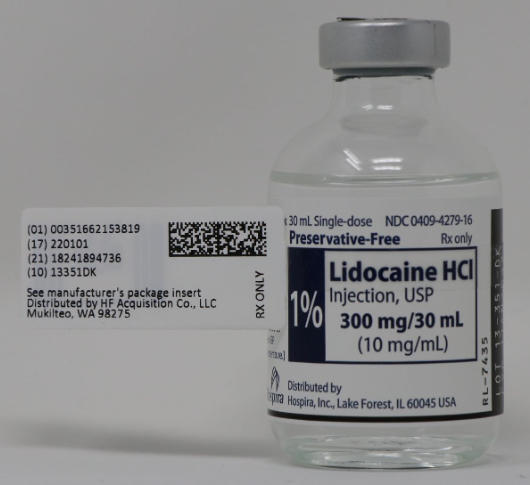
Lidocaine HCl is classified chemically as an amino amide and works by blocking voltage-gated sodium channels in the neuronal and cardiac cell membranes. This blockade prevents the initiation and conduction of nerve impulses responsible for pain sensations, leading to localized anesthesia. Additionally, in cardiac tissues, it prevents the aberrant electrical activity causing arrhythmias by stabilizing the cardiac membrane potential. The onset of action is rapid, usually within 1 to 5 minutes, depending on the administration method, with a duration ranging from 30 minutes to several hours.
Lidocaine hydrocholoride is highly water soluble and is rapidly absorbed at the site of administration. It exhibits protein binding, which influences its duration of action, and it is metabolized primarily in the liver. The drug's half-life ranges from 1.5 to 2 hours, making it suitable for short-term local anesthesia and rapid onset of antiarrhythmic therapy. Its metabolites are excreted mostly through the kidneys.
Lidocaine HCl is extensively used in surgeries, dental procedures, endoscopic evaluations, skin biopsies, and minor dermatological surgeries to numb the targeted area painlessly.
It is employed intravenously for the acute treatment of ventricular arrhythmias, particularly following myocardial infarction or cardiac surgery.
The medication is available as gels, sprays, creams, or patches that provide pain relief for mucosal irritations, minor burns, insect bites, and post-herpetic neuralgia.
Lidocaine HCl is used in ophthalmology as an anesthetic gel for eye surgeries and procedures. It is also used in epidural and spinal anesthesia in obstetrics and pain management.
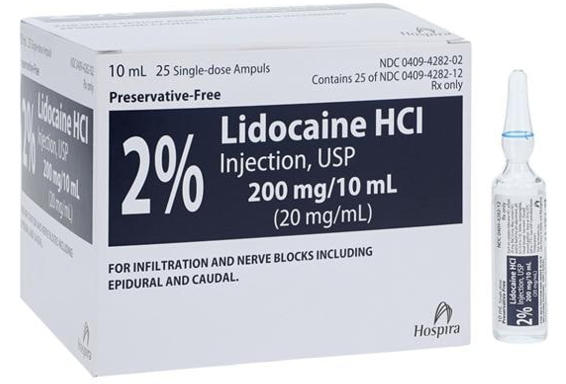
- Rapid and reliable onset of anesthesia
- Versatile administration routes (injection, topical, mucosal)
- Well-studied safety profile with manageable side effects
- Essential medicine status as per World Health Organization (WHO)
While Lidocaine HCl is generally safe for clinical use, adverse effects may include dizziness, headaches, nausea, local irritation, hypotension, and in rare cases, allergic reactions or systemic toxicity. Overdose or improper administration can lead to serious cardiac or neurological complications, hence it is restricted to professional medical use only.
Manufacturers providing OEM Lidocaine HCl must emphasize stringent quality control and compliance with global pharmaceutical standards. Factors like purity of active pharmaceutical ingredients (APIs), formulation stability, sterility, packaging integrity, and regulatory compliance (FDA, EMA, CFDA) are critical. Advanced delivery systems, such as cubosomal dispersions for enhanced topical delivery, have been developed to improve efficacy and patient compliance.
Research focuses on novel formulations such as controlled-release gels, liposomal encapsulations, and nanocarriers that improve bioavailability and reduce side effects. Development of multifunctional drug delivery platforms aims to extend effect duration and enhance targeted delivery.
Lidocaine Hydrochloride is indispensable in modern medicine for providing effective local anesthesia and managing cardiac arrhythmias. Its broad spectrum of applications, combined with a solid safety profile, makes it a preferred choice worldwide. For manufacturers, especially those offering OEM services to international customers, producing high-quality Lidocaine HCl formulations with adherence to stringent standards is key to gaining market trust and delivering excellence in healthcare.
To discuss OEM partnership opportunities or to place orders for high-grade Lidocaine Hydrochloride products, please contact us today. Let us support your international healthcare business with reliable, compliant, and superior solutions.
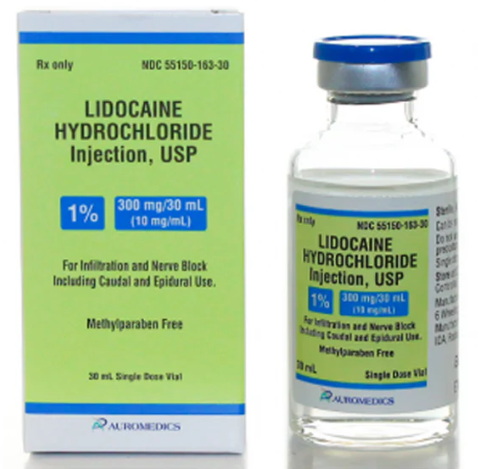
Lidocaine HCl treats pain through local anesthesia and abnormal heart rhythms, including ventricular arrhythmias.
It typically acts within minutes, offering rapid relief suitable for acute procedures.
Generally, yes, but allergic reactions and side effects require medical supervision, especially in pregnant or cardiac patients.
Via injection, topical gels, creams, sprays, or patches depending on indication.
Side effects include dizziness, nausea, localized irritation, and rarely severe allergic or systemic reactions.
[1](https://pubchem.ncbi.nlm.nih.gov/compound/Lidocaine)
[2](https://dergipark.org.tr/tr/download/article-file/4833273)
[3](https://pubchem.ncbi.nlm.nih.gov/compound/Lidocaine-Hydrochloride)
[4](https://www.sciencedirect.com/topics/chemistry/lidocaine-hydrochloride)
[5](https://www.sciencedirect.com/science/article/pii/S1386142515301098)
[6](https://www.tandfonline.com/doi/full/10.2147/lra.s6453)
[7](https://ui.adsabs.harvard.edu/abs/2016AcSpA.152...92B/abstract)
[8](https://www.mayoclinic.org/drugs-supplements/lidocaine-injection-route/description/drg-20452273)
[9](https://en.wikipedia.org/wiki/Lidocaine)
Hot tags: Lidocaine HCL Uses, Lidocaine HCL Side Effects, Lidocaine HCL Dosage, Lidocaine HCL Mechanism, Lidocaine HCL Pain Relief, Lidocaine HCL Injection, Lidocaine HCL Topical, Lidocaine HCL for Mucositis, Lidocaine HCL Anesthetic, Lidocaine HCL Treatment