Content Menu
● Understanding Lidocaine Allergies
● Cross-Reactivity and Misconceptions
● Common Alternatives to Lidocaine for Allergic Patients
>> Non-Traditional Anesthetic Options
● Allergy Testing and Safety Measures
● Frequently Asked Questions (FAQs)
>> 1. Can patients allergic to lidocaine use articaine safely?
>> 2. What are the main risks of ester anesthetics?
>> 3. How is lidocaine allergy confirmed?
>> 4. Are there topical alternatives for patients allergic to lidocaine?
>> 5. What should be done if a patient develops an allergy during anesthesia?
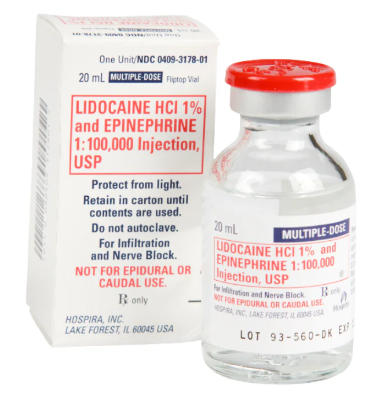
Lidocaine-Hydrochloride (Lidocaine-HCL) is widely recognized as a standard local anesthetic in various medical, dental, and cosmetic procedures, prized for its reliable numbing properties and low incidence of adverse reactions. However, a small subset of patients experiences allergic reactions to lidocaine, ranging from mild skin irritations to severe hypersensitivity. For these individuals, finding effective and safe alternatives is essential to ensure procedural comfort and safety. This article explores in depth the nature of lidocaine allergies, alternative anesthetic agents, precautions, and practical recommendations for patients and clinicians.
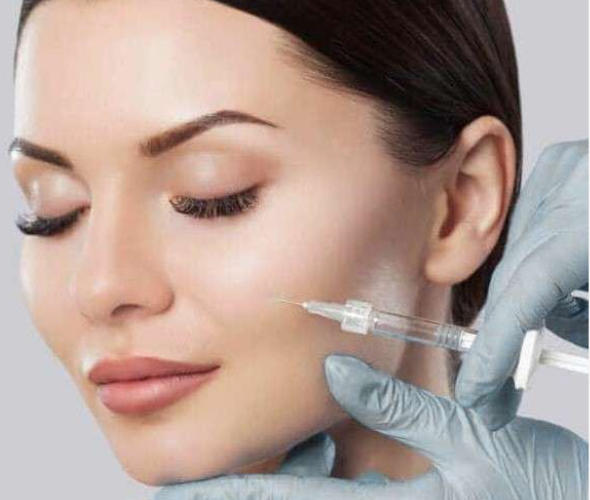
Lidocaine is an amide-type local anesthetic that works by reversibly blocking sodium channels in nerve cells, preventing the transmission of pain signals to the brain. While generally safe, allergic reactions, though uncommon, may occur. It is important to differentiate between true allergic reactions—immune-mediated hypersensitivity—and adverse reactions that may mimic allergy, such as toxicity or vasovagal responses.
True allergic reactions often involve the immune system reacting to components of the anesthetic preparation, which may include preservatives, antioxidants, or other additives rather than the lidocaine molecule itself. Allergic reactions are classified as immediate (Type I hypersensitivity) or delayed (Type IV hypersensitivity), with symptoms ranging from itching, rash, and swelling to anaphylaxis.
Concerns about cross-reactivity between lidocaine and other local anesthetics frequently complicate treatment decisions. Scientific evidence and clinical case reports consistently show that cross-reactivity between different amide anesthetics is rare. For example, articaine, another amide anesthetic, has a distinct molecular structure, and patients allergic to lidocaine often tolerate it well. This lack of cross-reactivity opens up several alternative options for patients who require anesthesia but cannot receive lidocaine.
Choosing the right anesthetic alternative requires understanding the differences between the two main classes of local anesthetics: amides and esters.
- Articaine: Studies and case reports have found articaine to be a safe and effective alternative in patients allergic to lidocaine. It has a rapid onset and suitable duration for dental and minor surgical procedures.
- Mepivacaine and Prilocaine: These amide anesthetics also provide good options. They have slightly different pharmacokinetics and can be considered when articaine or lidocaine are contraindicated.
- Bupivacaine (Marcaine): Known for long duration of action, useful for procedures requiring prolonged anesthesia. Despite its efficacy, its longer half-life demands cautious dosing to avoid systemic toxicity.
Amide anesthetics are metabolized in the liver and generally have a lower risk of allergic reactions compared to esters. However, rare cross-reactivity within amide agents can occur, so allergy testing is advisable before switching.
- Procaine (Novocain), Chloroprocaine, Tetracaine, and Benzocaine belong to the ester class. They are chemically distinct from amides, metabolized rapidly by plasma esterases, and often tolerated by patients allergic to amide anesthetics.
- Ester anesthetics have a higher overall risk of allergic reactions than amides, primarily due to the release of para-aminobenzoic acid (PABA) during metabolism. Patients with known ester allergies should avoid these agents.
- Ester anesthetics tend to have a shorter duration of action and faster onset, making them ideal for brief procedures.
- Diphenhydramine: An antihistamine with local anesthetic properties when injected at 1% concentration. It is an effective alternative in patients allergic to lidocaine, especially for minor dermatological or dental procedures.
- Natural Remedies: Some essential oils like thyme and lavender have mild anesthetic properties but lack robust evidence for clinical use. Natural approaches may serve as adjuncts but are not substitutes for medical anesthetics.
- New Delivery Systems: Innovations such as microneedle patches and bio-adhesive films containing benzocaine provide prolonged and comfortable anesthesia, with potentially less allergenic risk.

Diagnosing lidocaine allergy involves skin prick tests, intradermal tests, or patch tests conducted by allergists. Accurate diagnosis differentiates true allergy from adverse drug reactions. Once identified, allergy testing can help pinpoint safe anesthetic alternatives.
For patients with confirmed allergies, clinicians should:
- Use preservative-free formulations to reduce hypersensitivity risk.
- Administer test doses under controlled conditions.
- Monitor for immediate and delayed reactions.
- Have emergency medications and equipment ready in case of anaphylaxis.
When planning procedures for patients with lidocaine allergy:
- Evaluate medical history thoroughly.
- Consult allergists for testing and guidance.
- Choose alternative anesthetics based on testing and clinical judgment.
- Educate patients regarding signs of allergic reactions.
For patients allergic to lidocaine-HCL, multiple safe and effective alternatives exist, including amide anesthetics like articaine, mepivacaine, and prilocaine; ester anesthetics such as procaine and chloroprocaine; and non-traditional agents like diphenhydramine. Proper allergy diagnosis and testing are crucial to avoid adverse reactions and to guide anesthetic choice. Patients and healthcare providers should collaborate to ensure safe, effective, and comfortable anesthesia tailored to individual needs.
If you or your patients need customized anesthetic solutions or OEM services for medical and healthcare products, contact our experienced team at [supplybenzocaine.co.uk](https://supplybenzocaine.co.uk). Your safety and satisfaction are our highest priorities!
Yes, articaine has shown no cross-reactivity with lidocaine in most cases, making it a safe alternative after allergy testing confirms tolerance.
Ester anesthetics have a higher chance of allergic reactions due to their PABA metabolites. Patients with known ester allergies should avoid these drugs.
Skin prick, intradermal, or patch testing conducted by an allergist can confirm a lidocaine allergy and help identify safe alternative anesthetics.
Topical alternatives include benzocaine and diphenhydramine creams. For injections, diphenhydramine diluted to 1% can provide local anesthesia.
Immediate cessation of the anesthetic, administration of antihistamines, corticosteroids, and epinephrine in severe cases, and emergency medical care are critical.
[1](https://hexiapharm.com/choosing-lidocaine-alternative-for-allergy-safety-guide/)
[2](https://pmc.ncbi.nlm.nih.gov/articles/PMC7775968/)
[3](https://www.pharmacytimes.com/view/how-to-address-patients-with-a-documented-lidocaine-allergy)
[4](https://www.droracle.ai/articles/367545/alternatives-to-lidocaine-if-patient-is-allergic)
[5](https://pmc.ncbi.nlm.nih.gov/articles/PMC5586559/)
[6](https://www.singlecare.com/blog/lidocaine-alternatives/)
[7](https://www.aaaai.org/allergist-resources/ask-the-expert/answers/2024/lidocaine)
[8](https://www.spokaneliposuction.com/blog/managing-patients-with-allergies-to-lidocaine-alternative-anesthesia-options/)
[9](https://pharmacyjoe.com/how-to-deal-with-allergic-reactions-to-local-anesthetics-and-a-tip-on-how-to-memorize-ester-vs-amide-anesthetics/)
[10](https://www.clinicaladvisor.com/features/alternative-treatments-for-patients-with-lidocaine-allergies/)
[11](https://hexiapharm.com/lidocaine-alternatives-for-allergies-and-sensitive-patients/)
Hot tags: Alternatives to Lidocaine, Lidocaine Allergy Treatment, Ester Anesthetics, Diphenhydramine Injection, Non-Lidocaine Anesthetics, Local Anesthetic Alternatives, Procaine and Tetracaine, Benzocaine for Pain Relief, Allergy to Local Anesthetics, Safe Anesthetics for Allergic Patients